
"1860"
755 article(s) found
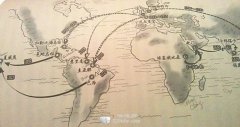
The spread History of Fine Coffee basic knowledge Coffee
Ethiopia (7th-9th century) Arab States (Yemen) Nataka, India (1600) Ceylon (1658 Netherlands) Java (16901696 Netherlands) Amsterdam (Netherlands 1706-1710) Versailles (France around 1713) and Suriname Caribbean island countries and Guyana and Brazil Guatemala Hawaii (United States 1892 and 1825) Arab States Yemeni French Bourbon 1

The coffee producing area of St. Helena.
Coffee was first grown on the island of St. Helena (St.Helena) in 1732. Although some other introduced plants have failed since the 1860s, coffee trees have taken root and flourished here. The island also experienced a coffee improvement campaign to produce the best quality coffee. Coffee producing area of St. Helena: coffee trees on St. Helena have been planted.

The coffee producing area of New Caledonia.
New Caledonia (NewCaledonia) is a former French colony, with only 10 per cent of the land available for farming, with coffee and corn being its main crops. In 1860 missionaries introduced coffee from LaReunion. Coffee producing area of New Caledonia: the variety of coffee beans grown in New Caledonia is the extraordinary Robbite coffee. The specialty of New Caledonia Coffee
The characteristics of St. Helena Coffee
Coffee was first grown on the island of St. Helena (St.Helena) in 1732. Although some other introduced plants have failed since the 1860s, coffee trees have taken root and flourished here. The island also experienced a coffee improvement campaign to produce the best quality coffee. Coffee producing area of St. Helena: coffee trees on St. Helena have been planted.

Common sense of Coffee producing countries Coffee from New Caledonia
New Caledonia (NewCaledonia) is a former French colony, with only 10 per cent of the land available for farming, with coffee and corn being its main crops. In 1860 missionaries introduced coffee from LaReunion. Coffee producing area of New Caledonia: the variety of coffee beans grown in New Caledonia is the extraordinary Robbite coffee. The specialty of New Caledonia Coffee

The Development of Coffee Historical Communication Historical Coffee Culture
Ethiopia (7th-9th century) Arab States (Yemen) Nataka, India (1600) Ceylon (1658 Netherlands) Java (16901696 Netherlands) Amsterdam (Netherlands 1706-1710) Versailles (France around 1713) and Suriname Caribbean island countries and Guyana and Brazil Guatemala Hawaii (United States 1892 and 1825) Arab States Yemen French Bourbon Island 19

The lost glory of New Caledonia Coffee
The glorious New Caledonia is a former French colony, with only 10 per cent of the land available for farming, with coffee and corn as its main crops. Missionaries introduced coffee from La Runion in 1860, but by 1987 only 40 tons were produced each year, of which 37 tons were exported, mostly to France. The variety of coffee beans is an extraordinary Robbite.

St. Helena Coffee Coffee
Coffee was first cultivated on St. Helena in 1732. Although other plants introduced since the 1860s have failed, coffee trees have taken root and flourished here. The island has also undergone a coffee improvement campaign aimed at producing the best quality coffee. St. Helena coffee growing area: St. Helena coffee trees planted out

Boutique coffee bean producing countries introduce coffee from New Caledonia
New Caledonia (NewCaledonia) is a former French colony, with only 10 per cent of the land available for farming, with coffee and corn being its main crops. In 1860 missionaries introduced coffee from LaReunion. Coffee producing area of New Caledonia: the variety of coffee beans grown in New Caledonia is the extraordinary Robbite coffee. The specialty of New Caledonia Coffee

Global coffee producing area-New Caledonia
New Caledonia (NewCaledonia) is a former French colony, with only 10 per cent of the land available for farming, with coffee and corn being its main crops. In 1860 missionaries introduced coffee from LaReunion. Coffee producing area of New Caledonia: the variety of coffee beans grown in New Caledonia is the extraordinary Robbite coffee. The specialty of New Caledonia Coffee

Global coffee producing area St. Helena Coffee Market
Coffee was first grown on the island of St. Helena (St.Helena) in 1732. Although some other introduced plants have failed since the 1860s, coffee trees have taken root and flourished here. The island also experienced a coffee improvement campaign to produce the best quality coffee. Coffee producing area of St. Helena: coffee trees on St. Helena have been planted.

The coffee producing area of St. Helena the characteristics of St. Helena Coffee
Coffee was first grown on the island of St. Helena (St.Helena) in 1732. Although some other introduced plants have failed since the 1860s, coffee trees have taken root and flourished here. The island also experienced a coffee improvement campaign to produce the best quality coffee. Coffee producing area of St. Helena: coffee trees on St. Helena have been planted.
New Caledonian coffee beans in Asian manor have rich taste, delicate and smooth flavor.
New Caledonia's lost glory New Caledonia (New Caledonia) is a former French colony, with only 10 per cent of the land available for farming, with coffee and corn as its main crops. Missionaries introduced coffee from La Runion in 1860, but by 1987 only 40 tons were produced each year, of which 37 tons were exported, mostly to France. Are the varieties of coffee beans different?
The characteristic coffee beans of Arabica beans New Caledonia
The lost glory of New Caledonia. New Caledonia (New Caledonia) is a former French colony, with only 10 per cent of the land available for farming, with coffee and corn as its main crops. Missionaries introduced coffee from La Runion in 1860, but by 1987 only 40 tons were produced each year, of which 37 tons were exported, mostly to France. The variety of coffee beans is right and wrong

New Caledonia (New Caledonia), where coffee is grown, is a former French colony
The glory that is gone. New Caledonia (NewCaledonia) is a former French colony, with only 10 per cent of the land available for farming, with coffee and corn as its main crops. Missionaries introduced coffee from LaRunion in 1860, but by 1987 only 40 tons were produced each year, of which 37 tons were exported, mostly to France. The variety of coffee beans is an extraordinary Robbins.
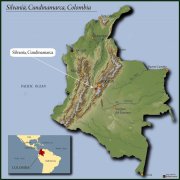
Kundinamaka Coffee Bean Flavor introduction to Coffee producing areas of Candinamaka, Colombia
Around 1860, the province of Cundinamarca began to grow coffee on the western slope, and then slowly moved northwest over the next decade or two. This area is the second Colombian province to start export, and production peaked during World War II. There used to be many very large estates here, some with more than a million coffee trees.

Introduction to the characteristics of San Pedro Manor in Tolima, Colombia
Chateau San Pedro, Colombia: Columbia: Tolima altitude: 1860m treatment: washing Grade: SUPREMO Variety: Rosa Colombia is the world's third largest exporter of coffee, mainly producing Arabica coffee and the largest exporter of Arabica beans. Colombia is rich in products, especially coffee, flowers, gold and

Guatemala Viviente Nango Coffee Bean Flavor Features Guatemala Coffee Brewing Tutorial
Professional barista exchanges, please pay attention to coffee workshop (Weixin Official Accounts cafe_style) Guatemala Huihuetenango El Guisquilar Guatemala Vivetenango Black Angel Manor Washing Medium and Shallow Production Resume: National Guatemala Origin Huihuetenango Altitude 1650-1860 meters Variety Catuai Treatment Method Washing Treatment

Puerto Rican coffee beans are recognized as the third most expensive in the world.
Doricho Kott selected (6), fruity. As early as the 1860s, the coffee produced in the Yaoke area of Puerto Rico won the reputation of high-end coffee and spread all over Europe. At that time, emperors and queens of various countries regarded it as the best coffee, and it was also widely drunk in the upper class of Europe. Yaoke selected coffee is grown on three farms in the southwest of the island and the soil is of high quality.

Costa Rican Coffee Story Why Costa Rican coffee tastes good
For more information on coffee beans, please follow the coffee workshop (Wechat official account cafe_style) Coffee was first introduced to Costa Rica from Cuba in 1779, commercial cultivation began in 1808, and Costa Rica first exported coffee in 1820. Costa Rica is considered to be the first country in Central America to produce coffee commercially, and the first batch of coffee arrived in the United States in 1860