
"Limu"
1383 article(s) found

Flavor description of 90 + coffee beans in Ethiopia introduction of grinding scale by taste treatment method
The four major planting systems are distributed in the following nine major producing areas of Ethiopia: Jinma, Sidamo, Yegashifi, Hara, Lim, Yilu Baba, Gimbi (Lekanti), Tibby, and Becca. On the whole, the flavor of each producing area has its own characteristics. Basically, Western Tiebi and Bebeca

Flavor description of Ethiopian Coffee producing area
For more information on coffee beans, please follow Coffee Workshop (Wechat official account cafe_style) Ethiopia is a landlocked country in East Africa, bordered by Eritrea to the north and north-east, Djibouti and Somalia to the east, Kenya to the south and Sudan and South Sudan to the west. A vibrant earth

Information material of Ethiopia Kongjia processing Plant description of Flavor of King of Africa Sun-dried Coffee beans
Professional baristas please follow the coffee workshop (Wechat official account cafe_style) King of Ethiopia Africa tanning processing plant G1 Ethiopian coffee is mainly produced in eight major areas: Ekempti, Limu, Illubabor, Djimma, Harrar, eppi/Bebeka, Sidamo, Yirgacheffe. Ethiopian coffee is highly rated in China, especially
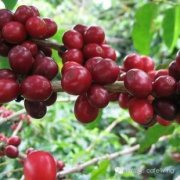
Detailed description of coffee from Tega and Tula Farm Tega and Tula Farms in Lim, Ethiopia
Professional barista exchanges please follow the coffee workshop (Wechat official account qianjiecoffee) Ethiopia Lim Tega and Tula Farm Taiga and Tula Farm sun-dried organic beans in Ethiopia will add 3 and 4 after the name to make a distinction (with 3 better quality), coffee cherries will be harvested with peel and pulp in the drying farm immediately until the coffee is dry.
What are the coffee bean producing areas in Ethiopia?
Professional coffee knowledge exchange more coffee bean information please follow the coffee workshop (Wechat official account cafe_style) Ethiopian coffee is mainly produced in eight major areas: Ekempti, Limu, Illubabor, Djimma, Harrar, Teppi/Bebeka, Sidamo, Yirgacheffe. Ethiopian coffee is highly rated in China, especially in Ethiopia.

Introduction to the taste characteristics of Ethiopian coffee flavor description and grindability varieties
Ethiopia's geographical environment is very suitable for coffee growth. Coffee is mainly grown in the southern highlands between 1100 and 2300 meters above sea level. The main coffee producing areas are Harar, Limu, Djimma, Sidamo, Kaffa, Yergacheffe and Wellega. The soil drainage in these areas is good.

Description of Flavor of Sunshine Sidamo Coffee beans introduction to Grinding scale for Regional treatment of Manor production
Sun Xidama coffee bean flavor description taste manor production area treatment grinding scale introduction 1. Limu coffee grows between 1400 meters and 2000 meters above sea level. Wash the coffee. Excellent quality, with strong nut aromas, suitable acidity, with the intensity of wine. The annual output is 29000 tons. 2. Jima Coffee grows between 1400 and 1800 meters above sea level. Sun-baked coffee. Micro

Ethiopian Coffee Features Ethiopian Coffee Flavor Boutique Coffee
Ethiopian coffee beans grow in a near-natural environment. After years of cultivation under the same growing conditions, Ethiopian coffee beans have gradually adapted to the environment here. More than 60% of coffee beans are forest or semi-forest grown coffee. Coffee farming villages produce about 35 percent of the country's coffee. Many of these are used.

Ethiopian coffee species Origin of Ethiopian coffee
Saifeng coffee beans grow in close to the natural environment, after years of planting under the same growth conditions, Ethiopian coffee beans have gradually adapted to the environment here. More than 60% of coffee beans are grown in forests or semi-forests. Large-scale coffee-growing villages account for about 35% of the country's total coffee production. These use multiple layers.

Introduction to the varieties of Ethiopian Coffee beans produced by Grinding scale treatment
Ethiopia grows coffee in different climatic zones, so it has more than 140 farm varieties, and fresh coffee is produced all the year round. The quality of Ethiopian coffee varies according to different elevations and regional ecological environment. The Harar coffee in the southeast highland is a typical Muha coffee with a strong flavor; the coffee produced in the southwest Wollega has a rich fruity flavor; Limu coffee

Ethiopian coffee brand Lakamuti Lekempti how's the coffee? is it good?
Professional coffee knowledge exchange more coffee bean information please follow the coffee workshop (Wechat official account cafe_style) Kaffa District, the birthplace of Ethiopian coffee, in 6 districts, namely Harrar, Limu, Sidamo, Yirgacheffe, Lekempti, Kaffa. And this time, the Nekempti or Lekempti we entered in Lekampi all refer to the same region. In recent years,

A brief introduction to the planting Market Price of Fine Coffee Bean varieties in Shaqisuo producing area
Harald Coffee this coffee grows in areas ranging from 900m in the Darolebu plain to 2700 m in the highland mountain range of Chercher in eastern Ethiopia. These mountains do provide unique characteristics for these perennial coffee beans: the fruit is full and long, moderately acidic, and the typical mocha is refreshing.

Introduction of Ethiopian Coffee Flavor and Fine Coffee
Ethiopian coffee beans grow in close to the natural environment, after years of planting under the same growth conditions, Ethiopian coffee beans have gradually adapted to the environment here. More than 60% of coffee beans are grown in forests or semi-forests. Large-scale coffee-growing villages account for about 35% of the country's total coffee production. Many of these are used.
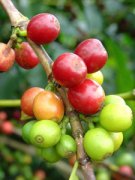
Production and processing of coffee flavor of Ethiopian coffee beans
Ethiopia's geographical environment is very suitable for coffee growth. Coffee is mainly grown in the southern highlands between 1100 and 2300 meters above sea level. The main coffee producing areas are Harar, Limu, Djimma, Sidamo, Kaffa, Yergacheffe and Wellega. The soil drainage in these areas is good.

Introduction to the growing environment of Ethiopian coffee
Ethiopian coffee beans grow in close to the natural environment, after years of planting under the same growth conditions, Ethiopian coffee beans have gradually adapted to the environment here. More than 60% of coffee beans are grown in forests or semi-forests. Large-scale coffee-growing villages account for about 35% of the country's total coffee production. Many of these are used.

A brief introduction to the description of flavor, taste and aroma characteristics of fine coffee beans in Shaqisuo producing area with rich alcohol thickness.
Harald coffee (HarrarCoffee) comes from the highlands of eastern Ethiopia and is medium-sized in bean shape.

Description of the Flavor of washed Sidamo Coffee introduction of Shakiso Abeyot Boru Abbe Leaf small Farmer treatment Plant
Professional coffee knowledge exchange more coffee bean information please follow Coffee Workshop (Wechat cafe_style) Ethiopia Washed Guji Shakisso Abeyot Boru 1850m G1 Ethiopia washed Sidamo G1 Shakiso processing Plant Abe Leaf Flavor Flavor: fresh aroma of lemon green tea, delicate dry aroma with flowers. You can feel it at the entrance.
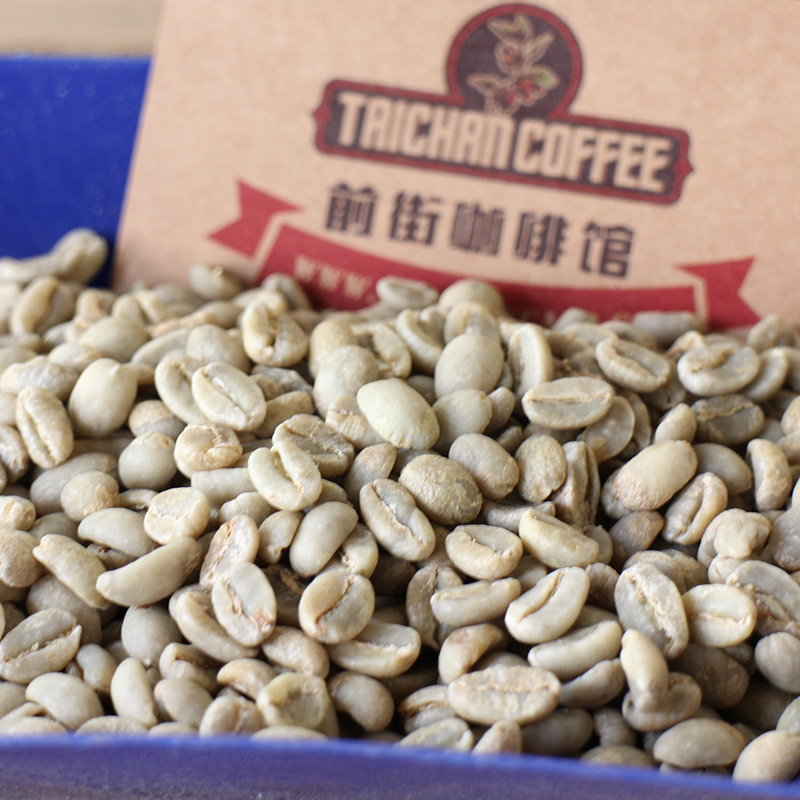
Ethiopia Yega Xuefei Coffee Raw Leguminoscier kochere production area Water washing treatment G2 level
Cochel is located in a small producing area 25 kilometers southeast of Yegashafi, Ethiopia. It is a rich area for coffee production. It is also one of the three famous and micro-producing areas of Yegashafi. It has about 100,000 local residents, and coffee beans are the main source of income. The processing and processing equipment in this area is very advanced. CoffeeReview, a well-known coffee evaluation website, gave Kocher a high rating of 94 points for washed beans.

A brief introduction to the Market Price of Fine Coffee Bean varieties in Shaqisuo producing area with abundant Alcohol thickness
In the field of boutique coffee, there are also five other small places of coffee, namely Lim, Gemma, Le Campdi, Becca and Limmu, Djimmah, Lekempti, Bebeka and Wolega. The most common is Essesidamo or Harald coffee (Either Sidamo or Harrar coffee). Harald Coffee (HarrarCoffee) is made in Essex.

Introduction to the Flavor and Taste characteristics of Ethiopian Coffee Farm
Located in the most advantaged natural conditions, Ethiopia produces unique high-quality coffee every year. Ethiopia's coffee growing cycle brings the joy of harvest to the country every year. Beautiful white coffee flowers will bloom and bear fruit every year from March to April. Only the reddest and ripe fruits will be selected between September and December.