
"Limu"
1383 article(s) found

Aromatic Ethiopian coffee growing environment Flavor Taste Introduction
Located in the most privileged natural conditions, Ethiopia produces unique high-quality coffee every year. Ethiopia's coffee growing cycle brings harvest joy to the country every year. Beautiful white coffee flowers bloom and bear fruit every year between March and April. Only the reddest and most mature fruits are selected between September and about December

How does Ethiopian water wash Lim taste? Ethiopian water washing Lim hand flushing method
Professional coffee knowledge exchange more coffee bean information please follow the coffee workshop (Wechat official account cafe_style) Ethiopian coffee is mainly produced in eight major areas, LIMU is one of them. Most Ethiopian varieties are named after this name. on the one hand, there are many varieties and it is difficult to identify and classify them, on the other hand, the Ethiopian government is unwilling to protect them.

Essex Coffee's most famous boutique coffee beans introduce the common sense of coffee
1. Limu coffee grows between 1400 meters and 2000 meters above sea level. Wash the coffee. Excellent quality, with strong nut aromas, suitable acidity, with the intensity of wine. The annual output is 29000 tons. 2. Jima Coffee grows between 1400 and 1800 meters above sea level. Sun-baked coffee. Slightly sour, with nutty aromas and a long finish. The annual output is 70000 tons. 3. Growth of Gamby Coffee

What are the main world-famous Ethiopian coffee? Introduction to the types of coffee in Ethiopia
1. Limu coffee grows between 1400 meters and 2000 meters above sea level. Wash the coffee. Excellent quality, with strong nut aromas, suitable acidity, with the intensity of wine. The annual output is 29000 tons. 2. Jima Coffee grows between 1400 and 1800 meters above sea level. Sun-baked coffee. Slightly sour, with nutty aromas and a long finish. The annual output is 70000 tons. 3. Gamby Coffee

Organic sun-baked coffee from Teana at Kossa Geshe Kesagsi Farm in Lim, Ethiopia.
For the exchange of professional baristas, please follow the coffee workshop (official Wechat account cafe_style), the 3rd place in the 2015-2016 Ethiopia Competition and the 1st place in the Solar Group. The flavor is just like Sounds of nature, so natural and beautiful-Sounds of nature, a family heirloom from Kosagesi Farm, this bean is different from the familiar Yegashifi, Sidamo, and Sidamo.

High quality Bolivian snow vein estate coffee beans flavor taste aroma characteristics Description
In the southwestern highlands of Ethiopia, the Kaffa, Sheka, Gera, Limu and Yayu Senli coffee ecosystems are considered home to Arabica coffee. These forest ecosystems are also home to a variety of medicinal plants, wildlife and endangered species. Western Highlands of Ethiopia

A brief introduction to the planting market price of aromatic Sidamo Shakiso boutique coffee beans
The highlands of western Ethiopia have given birth to new varieties of coffee that are resistant to fruit disease or leaf rust. Ethiopia has many world-famous types of coffee. Some of the main types of coffee are famous for their unique aroma and flavor, including the following: Limu coffee, which grows between 1400 and 2000 meters above sea level.

What are the world-famous Ethiopian coffee? What kind of coffee do you have in Ethiopia? Africa
The world-famous Ethiopian coffee is mainly as follows: 1. Limu coffee grows between 1400 meters and 2000 meters above sea level. Wash the coffee. Excellent quality, with strong nut aromas, suitable acidity, with the intensity of wine. The annual output is 29000 tons. 2. Jima Coffee grows between 1400 and 1800 meters above sea level. Sun-baked coffee. Slightly sour, with nutty aromas and a long finish. Annual output

Introduction of coffee beans from Youku Cooperative in Lim, Ethiopia. What are the characteristics of Lim Coffee?
Professional coffee knowledge exchange more coffee bean information please follow Coffee Workshop (Wechat official account cafe_style) Lim Youku Cooperative # 11 Limu Yokro Cooperative # 11 country Home: Ethiopia Ethiopia production area: Gima Gila Jimma Gera etc.: Grade 1 treatment method: washing method Washed Process category: Ethiopia

Limjilo, from the coffee producing area of Ethiopia, introduces what is the flavor of Lime coffee?
For more information on coffee beans, please follow the coffee workshop (official Wechat account cafe_style). When talking about several large producing areas in Ethiopia, you are familiar with nothing more than Harrar in the east, Sidamo in the middle, Djimmah in the west, and Yirgacheffe, Lekempti, Kaffa.

Ethiopia Coffee Bean Flavor Manor introduces Ethiopian boutique coffee beans
Ethiopian coffee beans grow in close to the natural environment, after years of planting under the same growth conditions, Ethiopian coffee beans have gradually adapted to the environment here. More than 60% of coffee beans are grown in forests or semi-forests. Large-scale coffee-growing villages account for about 35% of the country's total coffee production. Many of these are used.

How to deal with the processing of Ethiopian single bean? how to divide the grade of Ethiopian single bean?
Professional barista exchanges please follow the coffee workshop (Wechat official account cafe_style) the world-famous Ethiopian coffee are: 1. Limu coffee grows between 1400 meters and 2000 meters above sea level. Wash the coffee. Excellent quality, with strong nut aromas, suitable acidity, with the intensity of wine. The annual output is 29000 tons. 2. Jima coffee grows at an altitude of 140.

A brief introduction to the Market Price of Fine Coffee Bean varieties in the wild-tasting Shaqisuo area
Harald Coffee this coffee grows in areas ranging from 900m in the Darolebu plain to 2700 m in the highland mountain range of Chercher in eastern Ethiopia. These mountains do provide unique characteristics for these perennial coffee beans: the fruit is full and long, moderately acidic, and the typical mocha is refreshing.

Introduction to the cultivation of the latest varieties of world-famous Ethiopian coffee
The world-famous Ethiopian coffee mainly includes: 1. Limu coffee grows between 1400 meters and 2000 meters above sea level. washed coffee. Excellent quality, with intense nutty aromas, moderate acidity and wine intensity. Annual production of 29,000 tons. Gima coffee grows between 1400 and 1800 meters above sea level. Sunburn coffee. Slightly sour, nutty and long finish. annual output of

For Europe and the United States, the ranking of rinsing Lim is second only to Yega Schiffe.
Limu grows in the southern western highlands of Ethiopia (border between Shewa and Sidmo provinces) east of Jima and north of West Dharma. it is preferred by most Europeans and Americans at an altitude of 3600-6200 feet. Its annual output is about 110000bags/60kg, and most of the beans are round (15/16scr). The color is green and bluish, the export is mostly G2 grade, and the taste is similar to that of Yegashev.

Differences in flavor and taste of coffee stories from single producing areas in Ethiopia's best coffee bean producing areas
Until 1995, Ethiopia was divided into
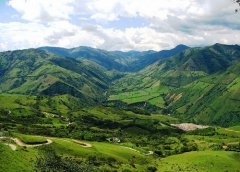
Lim has aromas of grass and black sugar, with bright acidity.
The best way to harvest high-quality coffee beans is to harvest them manually. That is, only mature coffee fruits are picked to prevent coffee fruits with inconsistent maturity from being picked at the same time. Because those unripe and overripe fruits will affect the balance and stability of coffee taste, boutique coffee needs to be picked frequently and carefully during harvest. Limu grew up in Ethiopia.

Production and processing of coffee beans
The geographical environment of Ethiopia is very suitable for coffee growth. Mocha coffee is mainly grown in the southern highlands between 1100 and 2300 meters above sea level. The main coffee producing areas are Harar, Limu, Djimma, Sidamo, Kaffa, Yergacheffe and Wellega.

A brief introduction to the Flavor description Plant of Ethiopian Honey Kiss Coffee
Description of the flavor and flavor of Ethiopian honey kiss coffee A brief introduction to the manor of the processing plant 1. Limu coffee grows between 1400 and 2000 meters above sea level. Wash the coffee. Excellent quality, with strong nut aromas, suitable acidity, with the intensity of wine. The annual output is 29000 tons. 2. Jima Coffee grows between 1400 and 1800 meters above sea level. Sun-baked coffee. Slight acid, yes

Introduction to Bancimaji boutique coffee beans with varied spices and fruit flavor
Production area: Banchi Magi primeval forest altitude: 1500-1700 m treatment: sun varieties: Typica, Heirloom producers: small farmers harvest centralized treatment flavor: jackfruit, spices, wine Ethiopian coffee there are mainly eight major producing areas: Ekempti, Limu, Illubabor, Djimma, Harrar, Teppi/Bebeka, Sidamo, Yirgach