
"Tara"
1081 article(s) found

Costa Rica Tara Pearl Diamond Villa washing SHB Kaddura how to turn coffee beans into coffee
Choose fresh coffee beans. When buying, pay attention to whether the color of the beans and the size of the particles are the same. Good coffee beans are shiny and have a strong aroma without being mixed with peculiar smell. No matter what kind of coffee beans, freshness is an important factor affecting the quality. When shopping, grab one or two coffee beans and chew them in your mouth with crisp sound (indicating that the coffee is not damp) and teeth and cheeks.

A brief introduction to the flavor description of coffee bean producing area in Tara Zhubostora Village, Costa Rica
A brief introduction to the flavor description of the coffee bean producing area in the village of Costa Rica Tara Zhubostora the flavor of Costa Rica has always been steady, without the sharpness of Guatemala, it is quite mild and supple, sour, sweet and bitter chocolate, inclusive and well-balanced. it is the classic flavor of gourmet coffee. The seven major coffee producing areas are as follows: Durieba Valley (northeast of the capital San Jose)

Baja in Tara Pearl region of Costa Rica | processing process and flavor of wine-scented strawberry flavor raisin honey
Professional coffee knowledge exchange more coffee bean information please follow the coffee workshop (Wechat official account cafe_style) Costa Rica Tara bead production area Bach | Wine strawberry flavor raisin honey processing and flavor? Yellow Catuai; Catuai Amarillo, from the New World (Mundo Novo), is a hybrid with Kaddura (Caturra), which was first developed by Yuba.

Costa Rica。 What are the flavor and taste characteristics of the washed SHB of the Shepherd Boy Manor in Tarazhu producing area?
Professional coffee knowledge exchange more coffee bean information please follow the coffee workshop (Wechat official account cafe_style) Costa Rica. What are the flavor and taste characteristics of the washed SHB of the Shepherd Boy Manor in Tarazhu producing area? Costa Rica Tara Pearl Shepherd Boy Manor producing area: Tara Pearl producer: shepherd Boy Manor elevation: 1450 m varieties: Kaddura, Kaduai treatment method: washing method classification:

Costa Rica Tara Beads Coffee Bean Flavor Description Processing Method Variety Production Area Characteristics Introduction
Costa Rican Tara Beads Flavor Processing VarietyRegional Characteristics Taste: Bright and varied soft fruit acids, citrus, berries, raspberries, etc. After entering the mouth, the acid immediately turns soft and brings a sweet feeling, such as caramel-like thick Body, the middle has hazelnut sweet, spice sweet, soft candy, nasal cavity has stiff flowers and slightly cool flowers, such as melon-like delicate and clean melon sweet, almond, sweet

Costa Rica Tara Pearl Flavor| Tarazhu Coffee| Old Manor Honey Treated Beans
Professional coffee knowledge exchange More coffee bean information Please pay attention to coffee workshop (Weixin Official Accounts cafe_style) Tarazhu coffee| Farm Name: Rio Jorco Farm Region Producing area: Cedral de Aserri, Tarrazu Tarrazu Country: Costa Rica Alt

Costa Rica Tara Beads Don Mario Farm Honey Treated Beans Introduction
Professional coffee knowledge exchange More coffee bean information Please pay attention to coffee workshop (Weixin Official Accounts cafe_style) in Costa Rica Robusta varieties are prohibited by law, only Arabica varieties are allowed, honey treatment is the focus of Taiwan coffee people's pursuit recently, honey treatment is produced in response to the poor traffic on Costa Rica's high mountain roads, why because coffee

Tara Pearl producing area of Costa Rica | small Candle Manor La Candelilla treatment Plant washes Rose Summer Flavor
Professional coffee knowledge exchange more coffee bean information please follow the coffee workshop (Wechat official account cafe_style) Costa Rica Tara Pearl production area | Candle Manor La Candelilla processing plant washing Rosa flavor? Small Candle Manor (La Candelilla) can be said to be the forerunner of micromills, a microprocessing plant. In 2000, Candle was in Costa Rica.

Costa Rican Tara Pearl SHB Diamond Villa washing Water washing Kadura Costa Rican flavor
Costa Rican SHB is a traditional classical coffee with a good sense of evenness and a mellow aftertaste. Most Costa Rican coffee has a bright color, high acidity, proper fullness, and charming aroma. Most of the coffee trees are recently planted for Kaddura or Katuai. The raw bean processing method adopts water washing type, which is the same as that in other areas.

Spread of coffee beans Costa Rica plus DOTA Tara beads & #160; roasting degree
Even in the same producing country, it will have a subtle influence on the flavor and quality of coffee beans and produce their own characteristics because of the differences in climate, altitude and soil quality in different regions. Therefore, it will have different attributes according to different varieties, producing areas and brands; therefore, it is impossible to describe the characteristics of coffee beans in a country in one sentence.

The story of Costa Rica's Black Mika Duai Tara's Faramita Estate boutique coffee beans
Professional barista exchanges, please pay attention to coffee workshop (Weixin Official Accounts cafe_style ) Although Costa Rica has obtained the recognition of coffee gluttons through honey-treated coffee beans, it is also inseparable from Costa Rica's superior geographical and climatic conditions and the choice of Arabica coffee varieties. Costa Rica's premium coffee beans are known as extremely hard beans (SHB),

Coffee brewing suggestion of Gable Manor in Tara Zhu, Costa Rica _ description of Coffee Bean Flavor of Gable Manor
Professional coffee knowledge exchange more coffee bean information please follow the coffee workshop (Wechat official account cafe_style) Costa Rica Coffee Gable Manor Black Honey processing Spectrum: longan Sweet Honey fragrance smooth mellow Origin: Costa Rican Coffee Tara Pearl Gabor Manor Diamond Hill processing Plant characteristics: Costa Rica is the birthplace of honey treatment, but high difficulty and high quality

Costa Rica Tara Pearl Diamond Mountain Manor imported boutique coffee beans with balanced flavor
Costa Rican coffee plants were imported from Cuba in 1779 and exported for the first time in 1820. There are now about 32000 coffee farmers, with an average of less than 10000 yuan per farmer. Costa Rica has a population of 410 million (2006), an active coffee planting area of 82500 square meters, an annual output of 1.7 million bags (60kgs per bag), and an annual consumption of 38 million bags in China.

Costa Rica Tara Beads Coffee Bean Characteristics Manor Region Flavor Description Introduction
Costa Rica Tara Beads Coffee Bean Characteristics Manor Production Area Flavor Description Costa Rica's production is not large, with an annual output of about 110,000 tons, ranking seventh in Central and South America. Colombia is dominated by recent coffee varieties, such as kadura, kaduai, new world, etc., ancient bourbon and tibeka are rare. There are also many varieties derived from the territory, the most famous is the Bourbon variety Vera Saki
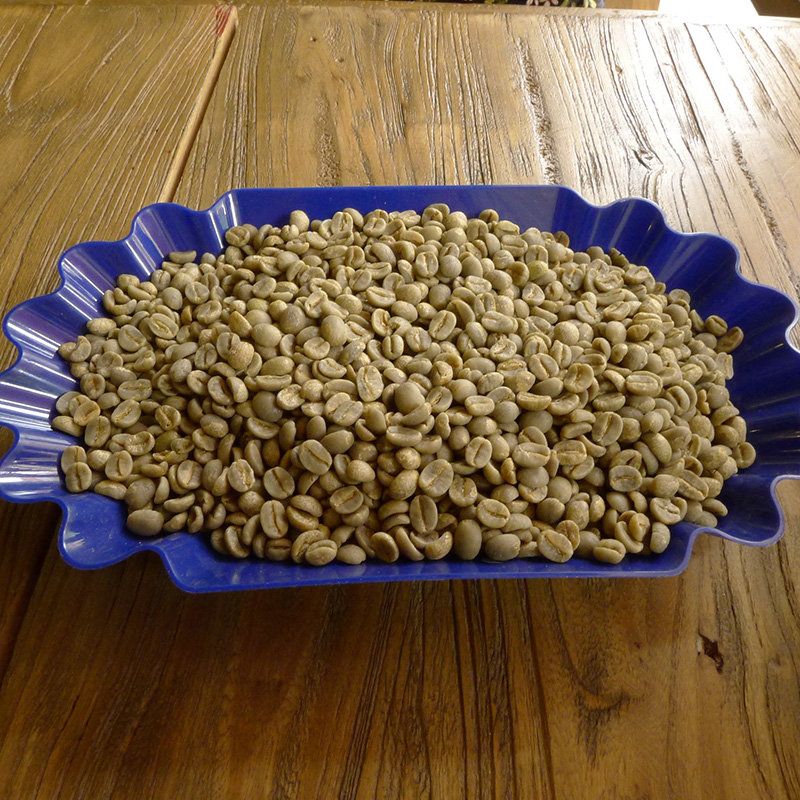
What are washed beans? Costa Rica Tara Pearl Diamond Villa washing SHB Kaddura seed beans
Costa Rican coffee plants were imported from Cuba in 1779 and exported for the first time in 1820. There are now about 32000 coffee farmers, with an average of less than 10000 yuan per farmer. Costa Rica has a population of 410 million (2006), an active coffee planting area of 82500 square meters, an annual output of 1.7 million bags (60kgs per bag), and an annual consumption of 38 million bags in China.
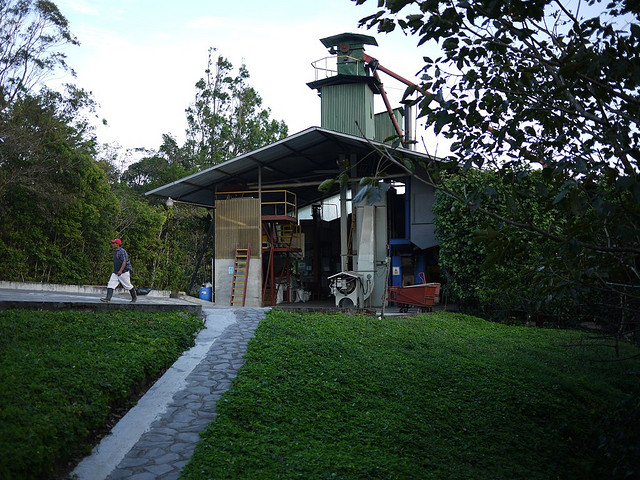
Costa Rica Tara Pearl Diamond Hill Estate washed SHB Kadura Costa Rica boutique coffee beans
Country: Costa RicaGrade: SHBOrigin: TaraPearl Producer: TaraPearl Local smallholder Processing: Washed varietyVariety: Cadura, Cadua Estates: Diamond MountainEstates Flavors: Soft orange-orange notes, toast, caramelized cocoa Sweet taste Clean Costa Rican coffee cultivation was introduced from Cuba in 1779, first exported in 1820 Coffee is now cultivated by about 3 coffee farmers

Costa Rican Tara Pearl Honey Flavor treatment Flavor description Grinding degree Taste Variety
Because of the coffee industry, Costa Rica is a more advanced profession. Coffee farmers have a high status in Costa Rica. In 1897, citizens of the capital witnessed the completion of the National Theater donated by coffee tycoons. Coffee wealth brings stability to Costa Rica's politics, economy and democracy, which is rare in Central American countries. In addition, Colombia has laws that only allow the planting of Arabica and Drogba

Introduction to Coffee Flavor characteristics of Dota production area in Tara Zhudota Manor, Costa Rica
Professional coffee knowledge exchange more coffee bean information please follow the coffee workshop (Wechat official account cafe_style) Costa Rican coffee Dota coffee production area manor introduction to the coffee farmers living in the Dota region believe that their coffee is better than other Tarazu regions for two reasons. In 1865, the Dota producing area already enjoyed the reputation of fine Costa Rican coffee. Because of the Capital pass

Description of coffee bean flavor with baking degree of Tara beads in Costa Rica introduction of Grinding scale Variety Manor
Generally speaking, a large amount of water is used in the late processing of picked coffee fruit, but the advanced production equipment in Costa Rica saves the use of water resources to the greatest extent. At the same time, the circulating filter device is used to treat the waste water from cleaning coffee beans, so that the waste water can be purified into clean water.
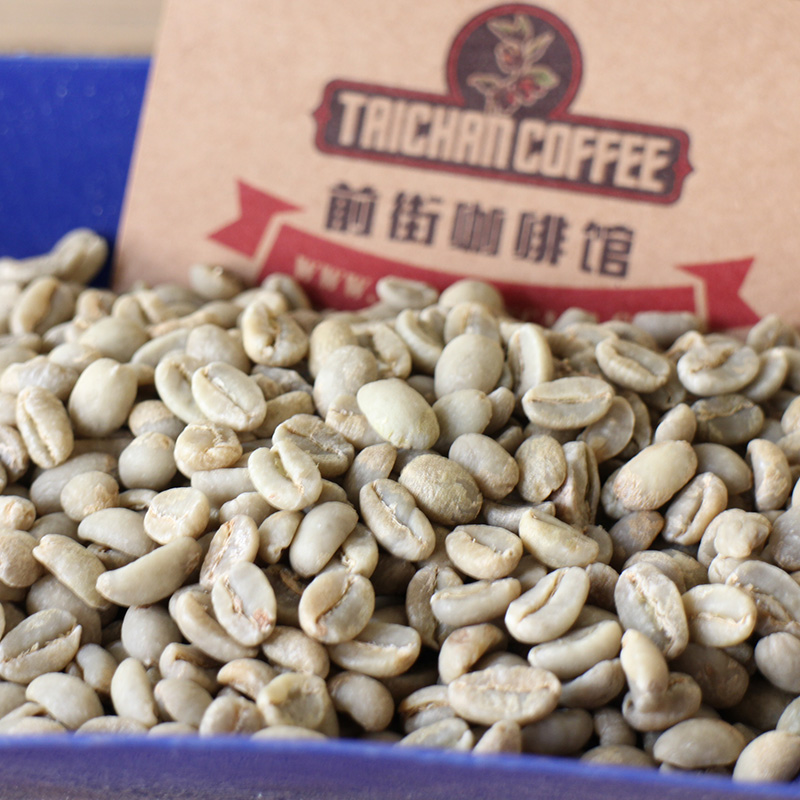
Raw Bean Price Costa Rica Tara Pearl Diamond Hill Manor Wash SHB Kadura Fine Coffee Raw
Coffee cultivation in Costa Rica was introduced from Cuba in 1779 and exported for the first time in 1820. There are about 32,000 coffee farmers in Costa Rica, with an average cultivation area of less than one hectare (10,000 m2) per farmer. Costa Rica has a population of 4.1 million (2006), 82,500 hectares of coffee cultivation, an annual production of 1.7 million bags (60kgs per bag), and an annual domestic consumption of 380,000 bags.