
"berry"
14787 article(s) found

Ethiopia Hara sun-dried boutique coffee beans
Hara is the most important sun bean producing area in Ethiopia. Hara sun beans are low-key but have fermented blueberry wine and unpredictable aromas. Long rice (long berry) Halamoka is called (Boldgrain) the highest grade in Haramoka after the second manual screening. (1. Short berry 2. Long berry 3.Boldgrain) Ethiopian coffee

Hara, the most important sun bean producing area of Ethiopian coffee.
Hara is the most important sun bean producing area in Ethiopia. Hara sun beans are low-key but have fermented blueberry wine and unpredictable aromas. Long rice (long berry) Halamoka is called (Boldgrain) the highest grade in Haramoka after the second manual screening. (1. Short berry 2. Long berry 3.Boldgrain) Ethiopian coffee
The most important sun bean producing area in Ethiopia.
Hara is the most important sun bean producing area in Ethiopia. Hara sun beans are low-key but have fermented blueberry wine and unpredictable aromas. Long rice (long berry) Halamoka is called (Boldgrain) the highest grade in Haramoka after the second manual screening. (1. Short berry 2. Long berry 3.Boldgrain) Ethiopian coffee

Ethiopia Hara Sun Bean introduction Fine Coffee Bean
Hara is the most important sun bean producing area in Ethiopia. Hara sun beans are low-key but have fermented blueberry wine and unpredictable aromas. Long rice (long berry) Halamoka is called (Boldgrain) the highest grade in Haramoka after the second manual screening. (1. Short berry 2. Long berry 3.Boldgrain) Ethiopian coffee

The method of coffee grading in Ethiopia basic knowledge of coffee
Hara is the most important sun bean producing area in Ethiopia. Hara sun beans are low-key but have fermented blueberry wine and unpredictable aromas. Long rice (long berry) Halamoka is called (Boldgrain) the highest grade in Haramoka after the second manual screening. (1. Short berry 2. Long berry 3.Boldgrain) Ethiopian coffee
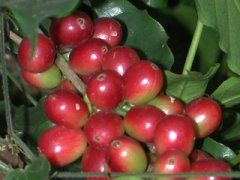

The most important sun bean producing area in Ethiopia.
Hara is the most important sun bean producing area in Ethiopia. Hara sun beans are low-key but have fermented blueberry wine and unpredictable aromas. Long rice (long berry) Halamoka is called (Boldgrain) the highest grade in Haramoka after the second manual screening. (1. Short berry 2. Long berry 3.Boldgrain) Ethiopian coffee

The most important sun bean producing area in Ethiopia.
Hara is the most important sun bean producing area in Ethiopia. Hara sun beans are low-key but have fermented blueberry wine and unpredictable aromas. Long rice (long berry) Halamoka is called (Boldgrain) the highest grade in Haramoka after the second manual screening. (1. Short berry 2. Long berry 3.Boldgrain) Ethiopian coffee

Coffee raw bean boutique coffee raw bean latest introduction and details
Raw coffee beans are the seeds of coffee trees. It is the wealth hidden in coffee cherries (coffee berries) that people usually call coffee cherries. They are mistakenly called beans because they are similar to the beans we usually see, but they are actually the seeds of coffee. Usually there are two flat oval coffee beans in the coffee berries, and there is only one in a few coffee berries.

Boutique Coffee Manor: Hara producing area, the most important sun bean producing area in Ethiopia.
Hara is the most important sun bean producing area in Ethiopia. Hara sun beans are low-key but have fermented blueberry wine and unpredictable aromas. Long rice (long berry) Halamoka is called (Boldgrain) the highest grade in Haramoka after the second manual screening. (1. Short berry 2. Long berry 3.Boldgrain) Ethiopian coffee

Kenya coffee, berries, cranberries, coffee, milk coffee, coffee scale, fresh roast
Kenya, located in East Africa, is one of the major coffee producing countries. More than 6 million people in the country are engaged in the coffee industry, mostly in the form of a combination of small farmers and cooperatives. Coffee trees in Kenya are mostly planted at 1400 m-2000 m above sea level, and the growing areas include Ruiri, Thika, Kirinyaga and Mt. Kenya West, Nyeri, Kiambu and Muranga. With Mt.Kenya and Ab
Ethiopian sun aricha Yejia snow caffeine
Yega Xuefei is produced at the Kebel Aricha processing plant, where there are about 650,700 small coffee farmers who send ripe coffee berries here for processing in exchange for cash. After the treatment plant selects the available berries, they are directly exposed to the sun on the scaffolding and are turned every 2-3 hours in the first few days to prevent overfermentation. After four to six weeks of sun exposure, workers will look at the weather and temperature.

Characteristics of Ethiopian sun-cured coffee beans Origin of Ethiopian Sun-cured Coffee
Hara is the most important sun bean producing area in Ethiopia. Hara sun beans are low-key but have fermented blueberry wine and unpredictable aromas. Long rice (long berry) Halamoka is called (Boldgrain) the highest grade in Haramoka after the second manual screening. (1. Short berry 2. Long berry 3.Boldgrain) Ethiopian coffee
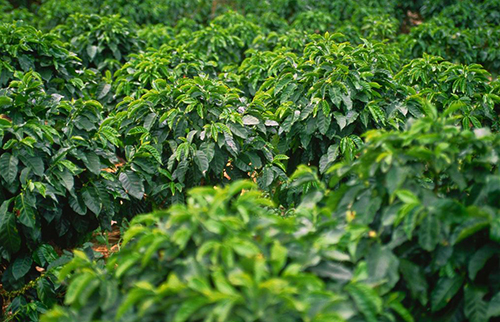
Rich citrus and berries in Yirgacheffe Yega Snow Clinique (Tchembe) N2 L7 producing area
Clinique (Tchembe) N2 L7 Tchembe N2 L7 Tchembe N2 L7 is named after haricho and bolo coffee from the Amaro Mountains, which have the flavors of carob and banana, although the 2013 Tchembe is made from Yega Snow. Tchembe coffee has a thick feel similar to dirt and chocolate, and

Berry Beans
If it hadn't been known in advance, many people would have missed Berrybeans, because the small courtyard where the cafe is located has not modified its shabby appearance, and it is difficult to notice that it is an open shop when passing through the hutong. Hidden in the quiet hutong, the door face is quite inconspicuous, push open the faded wooden door, you can see a different hole in the sky

Honey kiss coffee bean flavor honey kiss coffee bean taste rich berry flavor layer
Professional coffee knowledge exchange more coffee bean information please follow the coffee workshop (Wechat official account cafe_style) front street-Honey Coffee introduction NINETY PLUS, the direct translation is 90 cents, or more than 90 points. Friends outside the industry may not understand that a coffee bean of more than 90 points means it is close to perfect for coffee lovers. Whether we're talking about cup scores or C

The common processing methods of coffee what are the three major processing methods of coffee beans
Explanation of the noun of raw coffee beans (post-processing method): solarization: the earliest method used by human beings to remove the pulp of berries, which is mostly used in coffee-producing areas such as East Africa with poor water and electricity facilities. People spread the harvested coffee berries evenly on the ground, dry the flesh by the sun, and then peel off the dried pericarp through tools to obtain raw beans. So get

Fine coffee green beans, coffee green beans, naming sources and preservation methods
Green coffee beans are the seeds of the coffee tree. It is the wealth hidden in cherries (coffee berries) commonly known as coffee. They are mistakenly called beans because they are similar to the beans we normally see, but they are actually coffee seeds. Usually coffee berries contain two flat, oval green beans, and a few coffee berries contain only one.

Aromas of fresh berries and tropical fruits from the Kenyan Sherick Cooperative Water Wash
Kenya Xilik Cooperative production area: Neri planting altitude: 1500 m varieties: SL28, SL34, ruiru11 treatment: washing picking: artificial picking flavor: from beginning to end shows a sweet taste, beginning with a strong tamarind as dessert, clear fresh flowers, fruit flavors, natural herbs and raisins and other pleasant round flavor, good balance. Xili

The whole process of coffee from picking to finished product characteristics of Yunnan coffee beans in picking season
The whole process of coffee from picking to finished product-the purpose of removing flesh during Yunnan coffee bean picking season is to separate the pulp from the seed coat of coffee beans. The pulp is removed by squeezing the berries. Because ripe berries contain a lot of moisture, peeled coffee beans can easily pop out when the berries are squeezed. The next step is to remove the mucus, and the aim is to remove the pulp after removal.