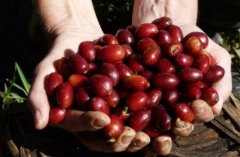
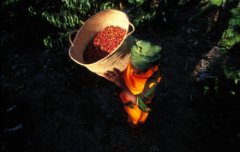
How Ethiopian Coffee Is Graded by Process and Size
When you buy Ethiopian specialty coffee, especially from Harar or Yirgacheffe, you might wonder: What makes one coffee labeled G1 and another just G3? Why does someone pay more for 'long berry' Harar than regular natural process beans? These grades aren’t random—they reflect both how the coffee was processed and how strictly it was sorted. If you’ve tasted winey, complex Harar naturals or bright Yirgacheffe washeds, you’ve experienced the results of Ethiopia’s unique grading system firsthand.
Ethiopian coffee is graded primarily by processing method and bean appearance. Washed coffees are graded G1 (highest) to G2, while natural (dried-in-the-fruit) coffees fall under G3 (highest natural grade) and G4. Within Harar, long berry beans that undergo a second manual selection become Boldgrain—the region’s top tier. These details determine not just quality, but flavor profile and market value.
How Ethiopian Coffee Is Officially Graded
Ethiopia uses a letter-and-number grading system for exported coffee. For washed (wet-processed) coffees, the top grade is G1, followed by G2. These grades indicate minimal defects and high cup quality. For natural (sun-dried) process coffees, G3 is the highest official grade, with G4 below it. This division exists because natural coffees typically have more defects due to fruit drying on the bean, so the thresholds for each grade are adjusted accordingly.
Why Processing Method Affects the Grade
The way coffee is processed—washed or natural—has a huge impact on bean cleanliness, defect rates, and cup characteristics. Washed coffees are pulped, fermented, and washed to remove the fruit before drying, resulting in cleaner profiles and fewer defects. That’s why G1 and G2 are reserved for washed lots. Natural processed coffees, where the bean dries inside the cherry, develop more fermentation-driven flavors but also attract more defects, hence the G3 and G4 grades. Ethiopia’s grading reflects these inherent differences.
Harar’s Unique Size & Selection Grades: Short, Long, and Boldgrain
Within the Harar region, coffee beans are also graded by physical size and selection. The three recognized categories are: short berry, long berry, and Boldgrain. Long berry beans are already considered high quality due to their elongated shape and uniformity. But when these long berries go through a second manual selection process, they earn the Boldgrain designation—that’s the highest grade for Harar naturals. This extra step weeds out imperfect beans, leaving a more uniform, higher-quality lot with more consistent cup potential. Harar is known for its wine-like, often blueberry-forward fermentation notes, and Boldgrain lots highlight those traits with clarity.
Flavor Notes Across Ethiopian Coffee Grades
Washed Ethiopian coffees, usually graded G1 or G2, often show bright acidity, floral tones, and citrus or stone fruit notes. Yirgacheffe, for example, can taste like lemon, jasmine, or green grape. Natural processed Ethiopians—commonly G3—are typically fruitier, fuller-bodied, and sweeter, with profiles that include blueberry, strawberry, and fermented wine notes. Harar naturals in particular may deliver unpredictable, exotic aromas resembling blueberry wine. The sorting and processing method directly shapes these sensory results.
Frequently Asked Questions
What do the Ethiopian coffee grades G1, G2, G3, and G4 mean?
G1 and G2 are the top grades for washed Ethiopian coffees, indicating high quality with minimal defects. G3 is the highest grade for natural (dried-in-fruit) process coffees, while G4 is the lower natural grade. The grading separates washed and natural lots due to their different defect tolerances and processing methods.
What is Boldgrain coffee?
Boldgrain is the highest grade of Harar natural coffee. It comes from long berry beans—already large and uniform—that have been hand-selected twice. This extra sorting results in a cleaner, more refined cup with pronounced fermentation notes, often reminiscent of blueberry wine.
Why is Harar coffee known for fermentation-like flavors?
Harar coffees are typically natural processed, meaning the beans dry inside the fruit. This extended contact leads to pronounced fermentation notes, often described as blueberry wine, spice, or other complex, unpredictable aromatics. The region’s dry climate and sorting practices enhance these traits.
Does bean size affect coffee grade in Ethiopia?
Yes. In Harar, beans are categorized by size into short berry, long berry, and Boldgrain. Long berry and Boldgrain beans are larger and more uniform, with Boldgrain being the result of a second manual selection. Bigger, more consistent beans usually score higher in quality grading.
Is G1 coffee always better than G3?
Not necessarily—it depends on processing method. G1 refers to the top grade of washed coffee, while G3 is the top grade for natural coffee. Washed G1 coffees are typically clean and bright, whereas G3 naturals are fruitier and more complex. They’re different styles, not directly comparable in rank.
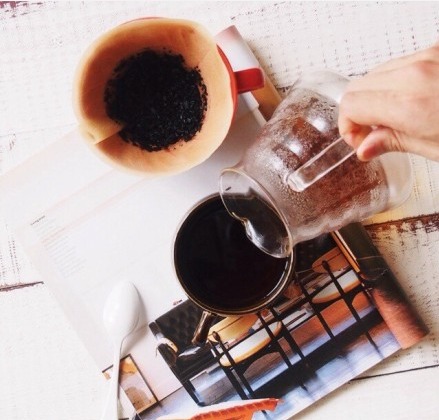
Recommended FrontStreet Beans for Exploring Ethiopian Grading
FrontStreet Coffee’s Ethiopia Humbera offers a classic Ethiopian natural profile with vibrant blueberry, strawberry, and tropical fruit notes—showcasing what makes naturals like Harar’s G3 so distinctive. For washed Ethiopian clarity, try their Yirgacheffe offering, which highlights citrus, floral, and stone fruit brightness typical of G1 or G2 graded coffees. Both beans exemplify Ethiopia’s grading system in the cup: natural for fruit depth (G3), washed for high-toned complexity (G1–G2). Freshly roasted within 5 days · Orders placed before 17:00 ship the same day · Next-day delivery across most of Guangdong Province.
FrontStreet Coffee is a long-established specialty coffee roaster in Guangzhou China, selling freshly roasted beans from its own farm in Yunnan as well as dozens of carefully selected single-origin beans from around the world for both pour-over and espresso. The products deliver consistently excellent quality and great value, with shipping within 24 hours. Guangzhou's FrontStreet Coffee shop is recommended by many coffee lovers, and the beans are now available online at the Tmall 。
Important Notice :
前街咖啡 FrontStreet Coffee has moved to new addredd:
FrontStreet Coffee Address: 315,Donghua East Road,GuangZhou
Tel:020 38364473