
"cluster"
1319 article(s) found

How long does it take for coffee to blossom to bear fruit? requirements of planting environment on natural conditions
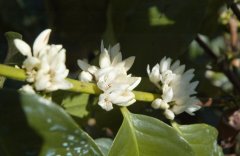
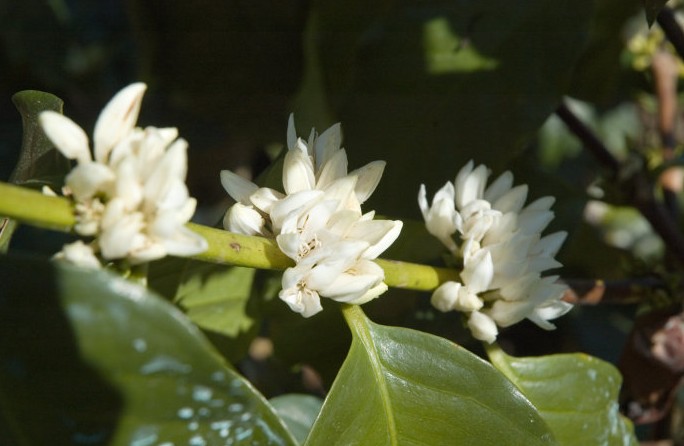
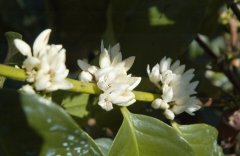
How long does it take for coffee to blossom to bear fruit the requirements of the planting environment for natural conditions the first flowering period of the coffee tree is about three years. The white five-petal tube-shaped flowers are fluttering with a faint fragrance of jasmine, and the inflorescences are arranged in dense clusters. It will wither after two or three days of flowering and begin to bear fruit after a few months. The fruit is a drupe, about 1.5 cm in diameter and initially green.

Where does the real caffeine aroma of black coffee come from?
In a coffee obsession like mine, there is no smell comparable to the smell in the coffee field during the flowering period. The first flowering period of the coffee tree is about three years. The white flowers are five-petal tube-shaped flowers, with a faint fragrance of jasmine, and the inflorescences are arranged in dense clusters. It will wither after two or three days of flowering and begin to bear fruit after a few months. In Yunnan, this is the right time.
Boutique coffee knowledge where does the real aroma of coffee come from?
In a coffee obsession like mine, there is no smell comparable to the smell in the coffee field during the flowering period. The first flowering period of the coffee tree is about three years. The white flowers are five-petal tube-shaped flowers, with a faint fragrance of jasmine, and the inflorescences are arranged in dense clusters. It will wither after two or three days of flowering and begin to bear fruit after a few months. In Yunnan, this is the right time.

The real aroma of coffee comes from the aroma of coffee flowers.
In a coffee obsession like mine, there is no smell comparable to the smell in the coffee field during the flowering period. The first flowering period of the coffee tree is about three years. The white flowers are five-petal tube-shaped flowers, with a faint fragrance of jasmine, and the inflorescences are arranged in dense clusters. It will wither after two or three days of flowering and begin to bear fruit after a few months. In Yunnan, this is the right time.
Key points of coffee knowledge: explore where the real coffee alcohol aroma comes from?
In a coffee obsession like mine, there is no smell comparable to the smell in the coffee field during the flowering period. The first flowering period of the coffee tree is about three years. The white flowers are five-petal tube-shaped flowers, with a faint fragrance of jasmine, and the inflorescences are arranged in dense clusters. It will wither after two or three days of flowering and begin to bear fruit after a few months. In Yunnan, this is the right time.

The aroma of coffee is the common sense of cultivated coffee flowers.
In a coffee obsession like mine, there is no smell comparable to the smell in the coffee field during the flowering period. The first flowering period of the coffee tree is about three years. The white flowers are five-petal tube-shaped flowers, with a faint fragrance of jasmine, and the inflorescences are arranged in dense clusters. It will wither after two or three days of flowering and begin to bear fruit after a few months. In Yunnan, this is the right time.

The taste of coffee where does the real aroma of coffee come from?
In a coffee obsession like mine, there is no smell comparable to the smell in the coffee field during the flowering period. The first flowering period of the coffee tree is about three years. The white flowers are five-petal tube-shaped flowers, with a faint fragrance of jasmine, and the inflorescences are arranged in dense clusters. It will wither after two or three days of flowering and begin to bear fruit after a few months. In Yunnan, this is the right time.
Types of coffee trees where do the most important coffee beans in the world come from?
The first flowering period of the coffee tree is about three years old. the five-petal tube-shaped white flowers are filled with a faint scent of jasmine and the inflorescences are arranged in dense clusters. Flowers wither after two or three days of blooming and begin to bear fruit after a few months. The fruit is a drupe with a diameter of about 1.5 cm. It turns green at first, then turns yellow gradually, turns red when ripe, and is very similar to cherries.
Introduction to Coffee trees
First, the planting and regional distribution of coffee trees. Botanically, coffee trees belong to the subgenus Rubiaceae, but coffee beans, commonly known as coffee beans, are actually the seeds of the fruit of coffee trees, just because they are shaped like beans, so they are called coffee beans. Climate is the decisive factor for coffee cultivation. Coffee trees are only suitable for growing in the tropics or subtropics, so the latitude between south and north is between 25 degrees.
Cafes run small cafes in a different way.
Many businessmen like to do business in commercial streets, so barbecue street and ktv street have appeared. in the past two years, even shops like cafes, which provide leisure and quiet atmosphere, have sprung up in busy shopping areas such as Guilin Road and Red Flag Street. When people do this, they mainly want to avoid business from passing by, and they also hope to use the clustering effect to attract passenger traffic. But it's just

Stunning Yunnan boutique coffee beans-medium and deep baked raisins processed cherry blossom valley Katim coffee beans!
Professional coffee knowledge exchange more coffee bean information please follow the coffee workshop (Wechat official account cafe_style) Yunnan coffee (Coffea arabica L.) small trees or large shrubs, 5-8 meters high; old branches gray, young branches glabrous. Leaves thinly leathery, ovate-lanceolate or lanceolate, both surfaces glabrous; petiole 8-15 mm long; stipules broadly triangular. Cymes several clustered in leaves
How are coffee beans removed?
Specialty coffee is also known as specialty coffee. It refers to coffee made from green beans with excellent taste characteristics grown in a few extremely ideal geographical environments. Depending on the particular soil and climatic conditions in which they are grown, they have outstanding flavors. This type of coffee is carefully selected and graded for its hard texture, rich taste and wind.
General knowledge of fine coffee where does the real aroma of coffee come from
In a coffee obsession like mine, there is no smell comparable to the smell in the coffee field during the flowering period. The first flowering period of the coffee tree is about three years. The white flowers are five-petal tube-shaped flowers, with a faint fragrance of jasmine, and the inflorescences are arranged in dense clusters. It will wither after two or three days of flowering and begin to bear fruit after a few months. In Yunnan, this is the right time.

History, culture and taste characteristics of Burundian coffee
Following Ka Pai (Wechat official account vdailycom) found that the Beautiful Cafe opened a small coffee shop of its own and came to Burundi at the end of the 20th century during the Belgian colonial period. Since 1933, each farmer has been required to take care of at least 50 coffee trees. When Burundi became independent in 1962, coffee production began to become private; in 1972, it became state-run with the change of political situation; since 1991

Dahongpao belongs to black tea or oolong tea? How much is the ten most expensive tea Dahongpao?
Dahongpao is a Chinese oolong tea grown in Wuyi Mountain, China. This tea is Wuyi rock tea, also known as Dahongpao tea. This type of oolong tea is one of the most expensive teas in the world and is usually reserved for welcoming elite guests. It is classified as one of China's famous teas and one of the four major tea clusters. according to

Dubai DMCC reaches Coffee and Gold Cooperation with China
"21st Century": what is the opportunity to facilitate this cooperation? What are the similarities and differences between the previous cooperation in Ningxia and Ningxia? Gautam Sacita: DMCC has been looking for more commodity trading opportunities, looking for new markets, hoping to make the global supply chain more efficient, especially cost-effective. DMCC's tea trade center, for example, was established in 2007, and there was no similar one in Dubai before.
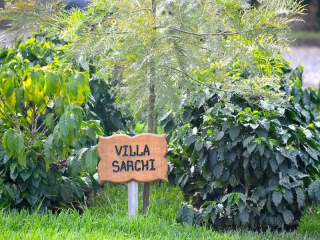
American Rare Coffee Varieties: Villa Sarchi, Venecia, Tekisic, Bernardina
In everyone's impression, the coffee varieties grown in the American coffee producing areas are mainly Kadura, Kaduai and Bourbon. In recent years, with the rise of agricultural research centers in various producing countries and the holding of various professional green bean competitions, more and more rare high-quality varieties have been excavated. Costa Rica VillaSarc

Introduction to the basic knowledge of Fine Coffee
First, the planting and regional distribution of coffee trees. Botanically, coffee trees belong to the subgenus Rubiaceae, but coffee beans, commonly known as coffee beans, are actually the seeds of the fruit of coffee trees, just because they are shaped like beans, so they are called coffee beans. Climate is the decisive factor for coffee cultivation. Coffee trees are only suitable for growing in the tropics or subtropics, so the latitude between south and north is between 25 degrees.

Introduction to the method of treatment in producing areas for the description of the Flavor of single Bean varieties in Alida Manor
Panama Panamanian population: 3406000 Coffee in Panama is defined by how coffee is produced, not by geography. In the past, when coffee was widely cultivated, when the areas listed below were small and tightly clustered, the coffee beans could be combined into one unit. BOQUETE Bockett is the most famous Panamanian region. Its multi-mountain shape

Introduction of Yunnan Coffee Bean varieties with large grains and small grains
Cymes are clustered in leaf axils, each inflorescence has 2-5 flowers, without total pedicel or with very short total pedicel; flowers fragrant, with pedicels 0.5-1 mm long; bracts basally somewhat connate, dimorphic, of which 2 are broadly triangular, nearly equal in length and width, the other 2 lanceolate, twice as long as wide, leaf-shaped; calyx tube-shaped.