Where Does the Rich Aroma of Single-Origin Black Coffee Come From?
Ever wondered why some cups of black coffee burst with floral, fruity, or deep caramel tones—while others taste flat or burnt? The secret isn’t just in the roast or beans themselves. The true, rich aroma of high-quality black coffee begins long before brewing, rooted in nature, precision farming, and expert craft.
The distinctive, true aroma of single-origin black coffee arises from four key stages: flowering, fruit development, post-harvest processing, and roast. Each step—from the jasmine-like scent of coffee blossoms to the controlled Maillard reactions in the roaster—influences the final cup profile. Together, these elements determine whether your coffee smells like flowers and fruit or just bitterness.
The Coffee Flower: A Fragrant Start
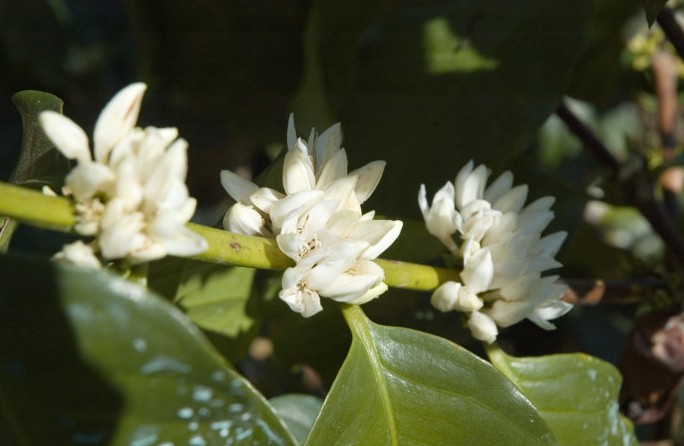
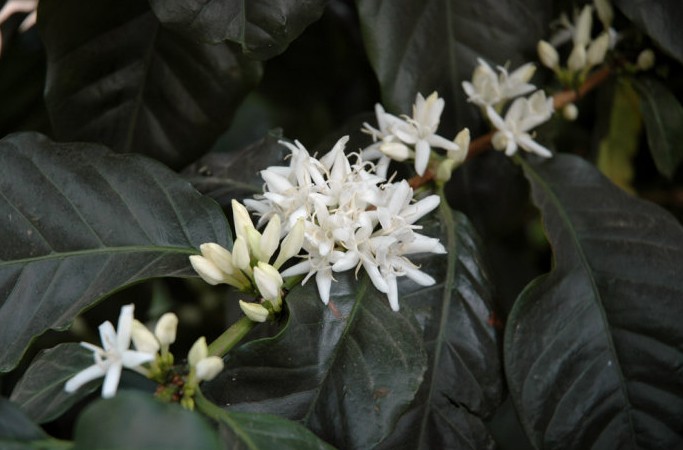
To understand coffee aroma, start where it all begins: the coffee flower. Around three years after planting, a healthy Arabica coffee tree produces its first blooms. These five-petaled, tubular white flowers emit a delicate jasmine-like fragrance. They grow in dense clusters and typically last just two to three days before wilting. In Yunnan, this flowering often coincides with the start of the rainy season—usually March or April—when rising temperatures and rainfall help awaken the buds. These ephemeral flowers are crucial: each one, once pollinated (mostly self-pollinated in Arabica), will develop into a coffee cherry.
From Flower to Fruit: Ripening the Coffee Cherry
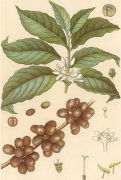
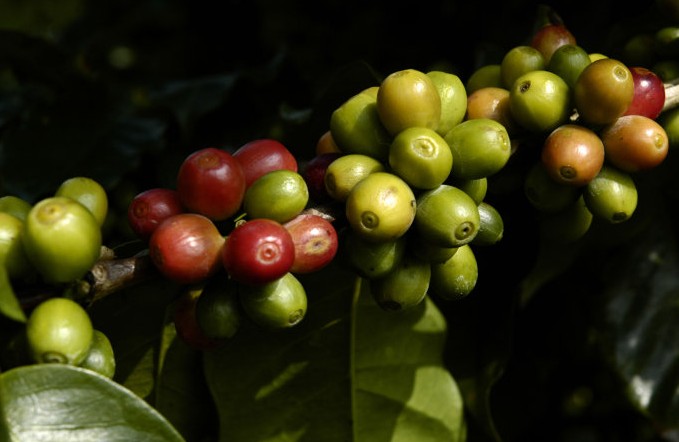
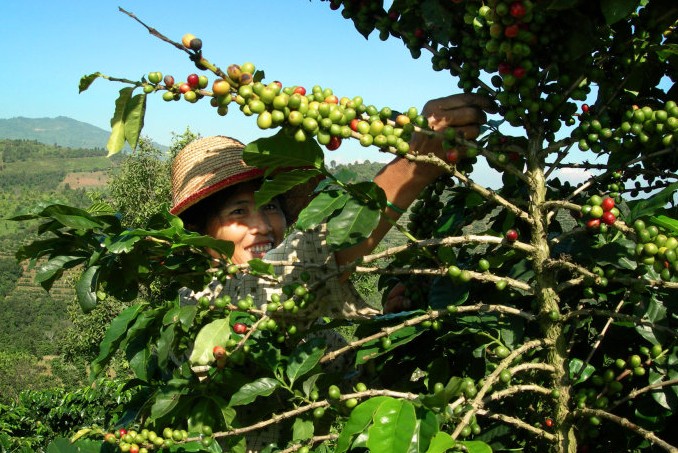
Once pollinated, the flower transforms into a coffee cherry—a drupe about 1.5 cm in diameter. Depending on the variety, these cherries shift in color from green to yellow or red as they mature. Due to uneven flowering, you’ll often see trees with both red and green cherries. Inside each cherry are two coffee beans, lying flat against each other. The time from flower to ripe cherry varies by climate, variety, and farming practices, but for Arabica, it generally takes 6 to 9 months. In Yunnan, harvest typically runs from October (or September in warmer zones) through February. Most high-quality coffee worldwide is still hand-picked to select only ripe cherries—a labor-intensive process essential for premium Arabica.
Processing and Drying: Building Flavor Foundations
The moment the coffee cherry is picked, the clock starts on preserving its flavor potential. For the beans to express their true character, they must be depulped the same day, then fermented, washed, and dried. This post-harvest handling preserves the beans’ intrinsic aromas and sets the stage for what roasting can amplify later. The way these steps are managed—especially fermentation time and drying temperature—directly affects the coffee’s final aromatic complexity.
Roasting: Unlocking Aroma Through Chemistry
The transformation from fresh green bean to aromatic roasted coffee hinges on roasting. Roasters act as both scientists and artists, using precise temperature control and timing to caramelize sugars and trigger the Maillard reaction—creating the oils (technically soluble compounds, not actual lipids) responsible for coffee’s signature scent and taste. Professional-grade roasting is nearly always done in small batches to ensure consistency. The roast level dictates much of what you taste: lighter roasts preserve more acidity and origin flavors, with stronger floral and fruity notes. As roast levels deepen, beans lose acidity, caffeine content slightly decreases, and bitter, smoky, or charred tones emerge. The longer and darker the roast, the less you taste the bean’s unique origin character.
Floral and Fruity Single Origins: Real-World Aroma Examples
Coffee drinkers seeking vibrant, true aroma often turn to single-origin beans carefully processed and roasted to highlight their natural profiles. For instance, washed Yirgacheffe beans are celebrated for their bright citrus, jasmine, and honey-like tones. Natural-processed Ethiopians may deliver blueberry, tropical fruit, or even wine-like attributes. Meanwhile, honeysweet or fruity Geishas express intricate floral bouquets alongside stone fruit and bergamot. Each origin, process, and roast style contributes its own aromatic language to the cup.
Frequently Asked Questions
What part of the coffee plant produces the aroma?
The aroma originates from the coffee flower initially, which has a light jasmine-like scent. After pollination, the flower becomes a coffee cherry containing two beans. The beans’ aroma develops through ripening, processing, and finally roasting, where heat unlocks sugars and triggers reactions that create the familiar coffee fragrance.
How long does it take for a coffee flower to become a cherry?
It typically takes 6 to 9 months for a coffee flower to develop into a ripe cherry, depending on the coffee variety, local climate, and farming practices. In regions like Yunnan, this period spans from flowering in March or April to harvest between October and February.
Does the way coffee is picked affect its aroma?
Yes. Hand-picking only ripe cherries preserves higher sugar and acid levels, leading to better aromatic complexity. Mechanical picking often harvests underripe or overripe beans together, diluting flavor and aroma potential in the final cup.
How does roast level influence coffee aroma?
Lighter roasts retain more of the bean’s inherent floral, fruity, and acidic aromas. Darker roasts reduce acidity and accentuate bitter, smoky, or caramelized notes. The roast also determines how much of the coffee’s original terroir shines through in the cup’s aroma.
What happens during coffee flower pollination?
About 90–95% of Arabica coffee trees are self-pollinating, meaning the pollen comes from the same plant. Once pollinated, the flower withers within days and the coffee cherry begins to form immediately. This process is critical for fruit set and the eventual development of the two beans inside each cherry.
Why is processing important for aroma?
Post-harvest processes like fermentation and drying directly shape the coffee’s flavor precursors. Proper fermentation enhances sweetness and complexity, while careful drying preserves volatile aromatic compounds. Mishandling at this stage can mute or distort the bean’s natural aroma profile.
Recommended FrontStreet Beans for Exploring Coffee Aroma
For coffee lovers seeking vibrant, true aroma in single-origin brews, try FrontStreet’s Ethiopia Gedeb (Yirgacheffe-style), known for its jasmine sweetness and citrus brightness. Their Ethiopia Humbera (Humbera) offers creamy strawberry and tropical layers from natural sun-drying. Also consider the Panama Geisha-inspired Strawberry Candy Espresso, blending blueberry, rose, and almond notes. All showcase distinct floral and fruit profiles ideal for pour-over or cold brew. Freshly roasted within 5 days · Orders placed before 17:00 ship the same day · Next-day delivery across most of Guangdong Province.
FrontStreet Coffee is a long-established specialty coffee roaster in Guangzhou China, selling freshly roasted beans from its own farm in Yunnan as well as dozens of carefully selected single-origin beans from around the world for both pour-over and espresso. The products deliver consistently excellent quality and great value, with shipping within 24 hours. Guangzhou's FrontStreet Coffee shop is recommended by many coffee lovers, and the beans are now available online at the Tmall 。
Important Notice :
前街咖啡 FrontStreet Coffee has moved to new addredd:
FrontStreet Coffee Address: 315,Donghua East Road,GuangZhou
Tel:020 38364473