
"develop"
35224 article(s) found
Huge Investment opportunities for Coffee in China
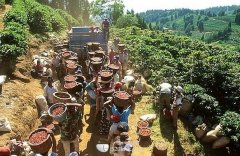
In China, "food comes first". Eating is not only for survival, but also the quintessence of the nation. Many foreigners are often surprised by the Chinese people's attention to diet and the time and energy they spend on buying or cooking. In fact, the consumption and pattern of meals in China also marks the current economic development, and even the investment opportunities in the future.
The salary of baristas is in their own hands!
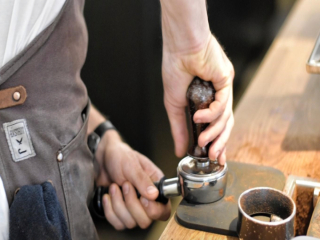
There is no end to learning, everything can not be done well, can not be separated from continuous learning and practice. Nowadays, many younger generations have all kinds of hopes for the job of baristas, but many people complain that baristas are underpaid and do many things that have nothing to do with coffee. But let's calm down and think about which job you have.

Development status of Dehong Coffee Industry _ cultivation of Dehong Coffee _ what is the quality of Dehong Coffee
Professional coffee knowledge exchange more coffee bean information Please pay attention to the coffee workshop (Wechat official account cafe_style) the unique natural conditions of Dehong Prefecture have created the outstanding quality of small grain coffee, its rich and mellow flavor, unique flavor, by Nestl é, Starbucks and other international famous coffee merchants as one of the best quality coffee in the world. The planting situation of ● Dehong is introduced in China

Brief introduction of World Coffee Brands introduction and Development of Nestle Coffee
Nestle Coffee originated in 1930. When the Brazilian government came into contact with Nestl é, coffee authority Max Morgentel immediately set out with his research team to develop a way to mix with water while keeping the coffee authentic. After seven years of research in a Swiss laboratory, they finally found the answer. Nestle Coffee has first become a world-famous brand. two

Chinese Coffee History Coffee Development History of Coffee in China
According to historical records, coffee trees were first planted in Taiwan in 1884, and coffee cultivation in mainland China began in Yunnan. In 1902, a French missionary named Tian introduced seeds from Yinggong County in Binchuan County, Yunnan Province. it was successfully planted in a place called Zhu Kula, which is located on the bank of the Yushan River, a tributary of the Jinsha River. The commercial cultivation of coffee in Yunnan began in 1985, but its development is slow.

China coffee development history China coffee growing area China Yunnan coffee Yunnan coffee delicious
In terms of natural conditions, many areas of our country are very close to Latin America, South America, India, Indonesia and other places, and have innate conditions for coffee cultivation, but traditional culture and living customs restrict the development of coffee in China. Until recent years, with coffee more into the lives of ordinary Chinese people, with the impact of foreign culture and lifestyle, coffee cultivation only

On the Development of Chinese Food from the successful experience of Starbucks
A few days ago, I carefully read the success case of Starbucks and found that the secret of its success and core values is that the relationship theory revolves around the relationship between people, and always runs through the company's business. So Starbucks was able to develop one of the world's oldest coffee into a distinctive, lasting, high value-added brand. Looking back on the development of Chinese food in China

A brief introduction to Yunnan Hougu Coffee Development status of Hougu Coffee in China
Hougu Coffee is the first local coffee brand in China. in addition, there are no other large-scale brands in China. Relying on the huge domestic consumer market and development potential, Hougu Coffee has good market development conditions. Hougu Coffee has a profound Chinese cultural heritage, absorbing the cultural traditions of Taoism and Confucianism. The meaning of Hougu comes from the moral Sutra, and the latter represents the king as the queen.

Six world-famous coffee varieties in Ethiopia
1. Li Mu Coffee 2. Jima Coffee develops between 1400 meters and 1800 meters above sea level. Sun-baked coffee. Slightly sour, with fragrance and a long aftertaste. The annual output is 70000 tons. 3. Gambi coffee develops between 1500 meters and 2300 meters above sea level. It is gourmet coffee with moderate acidity and fragrance of water. The annual output is 34000 tons. Develop at an altitude of 1500
Scientists studying coffee genes may help to develop improved varieties.
An international research team released a genetic map of coffee on September 4th, saying it would help improve the taste of the world's most popular drink. According to Hong Kong's Oriental Daily on September 5, the genetic map could help scientists develop stronger varieties of coffee plants with better quality and resistance to drought. Rahimi, a researcher at the French Institute for Development Research, said the findings could be
The Development History of Fine Coffee Culture in China
From the success of coffee planting in Taiwan in 1884 to today, the development of coffee in China has gone through more than one hundred years of ups and downs. The following is a detailed introduction: ★ in 1884, coffee was successfully planted in Taiwan. In 1902, ★ successfully introduced and planted coffee in Yunnan, China. ★ in 1985, Yunnan Agricultural Reclamation began to grow coffee commercially. ★ 1992, UNDP assisted China to build

The Development History of Coffee in China Chinese Coffee Culture History
From the success of coffee planting in Taiwan in 1884 to today, the development of coffee in China has gone through more than one hundred years of ups and downs. The following is a detailed introduction: ★ in 1884, coffee was successfully planted in Taiwan. In 1902, ★ successfully introduced and planted coffee in Yunnan, China. ★ in 1985, Yunnan Agricultural Reclamation began to grow coffee commercially. ★ 1992, UNDP assisted China to build

Coffee Basic Knowledge Boutique Coffee History of Development in China
From the success of coffee cultivation in Taiwan in 1884 to today, the development of coffee in China has gone through ups and downs for more than 100 years. The following is a detailed introduction: ★ In 1884, coffee cultivation in China Taiwan was successful.★ In 1902, Yunnan, China successfully introduced coffee cultivation.★ In 1985, Yunnan Agricultural Reclamation began commercial cultivation of coffee. In 1992, UNDP assisted China in building
The Development trend of Fine Coffee
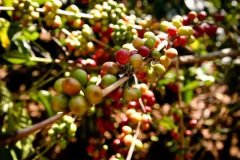
The development trend of boutique coffee as long as it is delicious coffee, coffee consumers are willing to pay high prices; as long as delicious coffee is provided, consumers will not abandon coffee, and the market will grow. High-quality coffee represented by boutique coffee is better than big business coffee producers and consumers have discovered this simple fact. In recent years, coffee-producing countries no longer blindly pursue high.

Address of Yunnan Coffee Trading Center, Pu'er Coffee production area, Yunnan small Coffee planting Base, Yunnan, China
Professional coffee knowledge exchange more coffee bean information Pu'er coffee workshop (Wechat official account cafe_style) Pu'er coffee planting area has reached 789000 mu, coffee bean output of 58600 tons, with a total output value of 2.469 billion yuan, has become the largest coffee planting base in Yunnan. Coffee industry has become an advantage for farmers to get rich, enterprises to increase efficiency, financial income and export to earn foreign exchange in Pu'er city.

Vietnam Coffee Bean planting Climate altitude, Vietnam Coffee Industry Development Plan
Vietnam's geographical location is very favorable for coffee cultivation. Southern Vietnam has a hot and humid tropical climate, which is suitable for growing ROBUSTA coffee, while the north is suitable for growing ARABICA coffee. Coffee production in Vietnam has the following characteristics: (1) because there is no effective way to deal with fallen leaves, medium-grain coffee was selected as the main variety in the early 1980s. (2) take planting technology as a reference.

The development and change of coffee!
1. Macro-environmental analysis with the development of the times and the further change of people's concept of life, the coffee industry is also developing at a rapid speed. The promotion of urbanization and the construction of culture are the driving force for the development of coffee shops. Government policy support for college students to start a business. With the popularity of coffee culture and the rise of petty bourgeoisie sentiment, coffee shops are becoming one of the ways for people to communicate and enjoy themselves.

The development and change of coffee!
1. Macro-environmental analysis with the development of the times and the further change of people's concept of life, the coffee industry is also developing at a rapid speed. The promotion of urbanization and the construction of culture are the driving force for the development of coffee shops. Government policy support for college students to start a business. With the popularity of coffee culture and the rise of petty bourgeoisie sentiment, coffee shops are becoming one of the ways for people to communicate and enjoy themselves.

Current situation of Dehong Hougu Coffee Co., Ltd. _ Dehong Hougu Coffee Real Finance _ how about Hougu Coffee
Professional coffee knowledge exchange more coffee bean information please follow coffee workshop (Wechat official account cafe_style) Dehong Hougu Coffee Co., Ltd. ● Dehong Hougu Coffee Co., Ltd. is Dehong Prefecture Hongtian Industrial (Group) Co., Ltd. funded by Dehong Prefecture Administration for Industry and Commerce and registered with Dehong Prefecture Administration for Industry and Commerce
History of Coffee Development in China
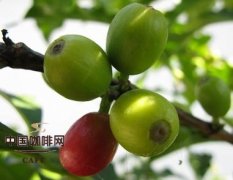
According to historical records, planting in Taiwan was successful for the first time in 1884. Since then, coffee trees have been planted in China. Coffee planting in Daliu began in Yunnan Province. In 1902, a French missionary named Tian introduced seeds from India and Gong, and planted them successfully in Binchuan County, Yunnan Province, located in Zhukula, a tributary of Jinsha River. Commercial cultivation of Yunnan coffee began in 1985, but the development was slow.