
"ethiopia"
20463 article(s) found

Ethiopia Sidamo Sidamo is located in G2 in southern Ethiopia.
Ethiopia Sidamo G2 | EthiopiaSidamo Grade2 Sidamo is located in southern Ethiopia. Sidamo coffee is cultivated between 1400m and 2000m above sea level. This coffee is widely used in blending with coffee produced in other parts of the world to adjust the aroma and taste balance of mocha. The coffee has a refreshing sour taste that can only be felt in fine champagne.

Ethiopia Nixiper Coffee producing area introduces what coffee producing areas are there in Ethiopia coffee?
Professional coffee knowledge exchange more coffee bean information please follow the coffee workshop (Wechat official account cafe_style) Ethiopia is the country where coffee was first discovered, coffee can be divided into two treatments. Washing treatment method II. Natural sun treatment. Nowadays, every cooperative or even a small coffee farm in Ethiopia produces coffee beans of the above two treatments at the same time, whether

The taste of Yega Chefevoca Coffee describes the characteristics of the producing area and the manor.
The coffee market regulatory body in Ethiopia is the Ethiopian Coffee and Tea products Administration. There are two auction centers in the country, one in the capital Addis Ababa (Addis Ababa) and the other in Dire Dawa in eastern Ethiopia. Coffee growers bring fresh fruit or to private coffee processing plants or cooperative coffee washing stations

Ethiopian coffee beans with floral apricot peaches Location Climate Altitude Profile
Ethiopia's Yirgacheffe coffee is petite, but gentle and sweet. As the home of coffee, Ethiopia's millennia of growing and processing traditions have resulted in high-quality washed Arabica beans. Light baked with unique lemon, floral and honey sweet aromas, soft fruit acids and citrus notes, fresh and bright taste. not

Coffee flavor and taste in Shaquiso, Ethiopia. Boutique coffee bean estate
Ethiopia is an ancient country with a history of 3000 years of civilization. The Hamite people who immigrated from the southern Arabian Peninsula were the earliest inhabitants. Monlinique I reigned in 975 BC. The Kingdom of Nubia was established in the 8th century BC. From the 1st century to 976 AD, the Ethiopian Empire, also known as the Kingdom of Aksum, was established in Aksum in the north. Christianity was introduced into Ethiopia in the 4th and 5th centuries.

Introduction of Coffee Flavor description and Grinding degree in Cedar Motede Manor, Ethiopia
In September 1974, a group of young officers formed the Coordination Committee of the Army, the Police and the Local Army (DERGUE, meaning SHADOW, and later generally referred to as the junta and the Mengistu regime) launched a military coup to overthrow the government of Haile Selassie and announced the end of monarchy and the establishment of an interim junta. In November, the interim military junta was changed to the interim military Administrative Council. In December, interim military administration
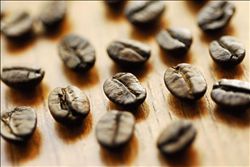
West Damomo Lion King Coffee Bean Flavor Description Processing Variety Characteristics Introduction to the region
Before 1974, the production, processing and trade of coffee were in private hands. Private farms were nationalized and smallholder coffee producers neglected during the military regime. In 1991, the Transitional Government of Ethiopia enacted a new economic policy to encourage private coffee exports. result,

Introduction to the treatment methods of roasting degree of high-quality coffee beans in Ethiopian coffee producing areas
Coffee is Ethiopia's most important export cash crop and the main source of Ethiopia's foreign exchange earnings. Ethiopia's coffee exports account for about 3% of the world market, making it the eighth largest coffee exporter in the world. Coffee exports increased steadily from 58000 tons in 1990 to 110000 tons in 1995-1996 and remained at this level in the following years. 2001-2002

Ethiopia coffee beans grinding scale varieties of production area treatment method Manor introduction
In Ethiopia, coffee classification and quality control systems are divided into producer, regional and national levels. All coffees are inspected by local inspection agencies before they leave the country of origin, and then re-inspected at coffee inspection and grading centres in Addis and Diredova to determine their quality grade. Coffee is graded prior to auction and sale, and all participants in production, acquisition,
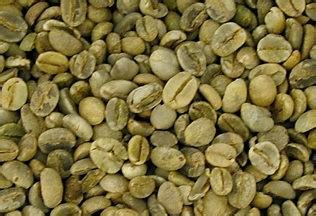
Which countries are mainly exported to the graded production areas of Ethiopian coffee beans
Coffee is Ethiopia's most important export cash crop and the main source of Ethiopia's foreign exchange earnings. Ethiopia's coffee exports account for about 3% of the world market, making it the eighth largest coffee exporter in the world. Coffee exports increased steadily from 58000 tons in 1990 to 110000 tons in 1995-1996 and remained at this level in the following years. 2001-2002

Ethiopia's finest washed coffee beans Harald producing area coffee beans
Rarely seen in Ethiopia in a hundred years is a combination of delicious coffee washed with mocahara, orange peel and high-grade black tea. Harald is an important boutique coffee production area in the eastern plateau of Ethiopia. According to the administrative location of Ethiopia, Harald belongs to an autonomous prefecture, which has been a famous coffee trading city since ancient times. the pass of eastern Ethiopia. It is the most

World boutique coffee farm beans; Harald mocha (part 1) in Ethiopia has a delicate and rich taste
[product name]: Ethiopia Harald Mocha (Ethiopia Harar Mokha) [quality rating]: DP Grade 4 [baking]: recommended moderate baking (Medium Roast or City Roast) [grade]: excellent [granule]: ★ full [acidity]: ★★★★ slightly sour, dark chocolate aftertaste [balance]: ★★★★ is very stable

Description of Coffee Raw Bean species and Flavor in Ethiopia; introduction to the characteristics of varieties and regions
In Ethiopia, the grading and quality control system of coffee is divided into three levels: producer, regional and national. All coffee is inspected by local inspection agencies before leaving the country of origin, and then re-tested at the coffee inspection and grading centers in Addis and Diredawa to determine its quality grade. Coffee is graded before auction and sale, for all involved in production, acquisition,

Grade Analysis of Ethiopian Coffee varieties Ethiopia's main producing areas
Ethiopia is one of the major producers of Arabica coffee in Africa, producing the best Arabian coffee in the world. It is said that coffee was first discovered by shepherds in Essekafa, and the name of coffee evolved from Kafa, so Essex is still the hometown of coffee. The geographical environment of coffee production and processing is very suitable for coffee growth. Coffee is mainly cultivated.

Flavor description of Ethiopian Yejia Snow Coffee beans introduction of varieties produced by taste treatment
Flavor description of Ethiopian Yega Coffee beans Coffee is the most important export cash crop and the main source of foreign exchange income in Ethiopia. Ethiopia's coffee exports account for about 3% of the world market, making it the eighth largest coffee exporter in the world. Coffee exports increased steadily from 58000 tons in 1990 to 1995-1996.

Ethiopian coffee producing area Kafabita Manor, Sun Haloba, Kochel Water Dou ha
Professional coffee knowledge exchange more coffee bean information please pay attention to the coffee workshop (Wechat official account cafe_style) Ethiopia Mokahara production area, Sidamo coffee production area characteristics? Kafa Forest Bita Manor Sun Bean flavor and taste? Ethiopian coffee can be divided into several main producing areas: Haramoka (sun), Kafa virgin forest (sun), and west.

Ethiopia Ethiopia Washed Yirgacheffe Worka G1
Follow Kaibei (Wechat official account vdailycom) found that the beautiful cafe opened a small shop of its own, Yirgacheffe (Xuefei) G1, a grade specially made by Mitsubishi of Japan to Ethiopia CoffeeTea Authority, which first appeared on the market in 2002-03. G1 grade beans are not produced in the same way as usual sieving.

What are the rules of Ethiopia's 2020 COE Yega Xuefei ranking competition?
In 2020, Ethiopia held COE,COE every year for the first time in coffee producing areas, organized by the non-profit organization ACE in various countries. From thousands of batches, the top 40 batches with scores higher than 6 were selected by the professional jury to enter the international jury, and the top 30 batches with scores higher than 87 were selected.
Description of coffee flavor and aroma in Ethiopia sun Xidamo G1 Valley Giannasola Farm
Professional barista exchanges please follow the coffee workshop (Wechat official account cafe_style) Ethiopian Sun Sidamo G1 Valley Giannasola Farm single Farm Lot3 (Ethiopia Sidamo Guji Ana Sora Lot3 Natural G1) flavor description: strawberry biscuits, integrated berries, citrus, flowers, maple syrup aroma, sweet and bright acidity, mouth

Coffee Trading system in Ethiopia | ECX Trading system
Professional barista exchanges please pay attention to the coffee workshop (Wechat official account cafe_style) Ethiopia ECX trading system is the savior of Ethiopian commercial bean farmers, but for the third wave of boutique coffee, traceability is a headache. Let's get to know the ecx trading system that is very important to Ethiopia's producing areas. Ethiopia's infrastructure is underdeveloped.