Washed Ethiopian Harar Coffee Beans: Rare & Flavorful
If you’ve ever wondered what makes Ethiopian washed Harar coffee so rare and sought-after, the answer lies in both its history and its limited production. Once famous for its sun-dried profiles, Harar’s washed beans are a little-known gem—especially those processed to exacting standards and sourced from high-altitude heirloom plants.
The quick answer? This exceptional washed Harar coffee comes from around 2600m altitude, is 99% defect-free, and shines brightest at medium roast levels, offering notes of orange peel, black tea, and honey-like sweetness. For the best balance, roast it medium-light or medium.
What Is Washed Harar Coffee?
Harar is a historic coffee-growing region in eastern Ethiopia, officially recognized as an autonomous state. It’s long been a key trade hub for coffee, even attracting 19th-century French poet Arthur Rimbaud, who traded coffee there. While Harar is globally known for its natural (sun-dried) process beans—famous for winey, fruity profiles—its washed coffee is far rarer and more stable in cup quality.
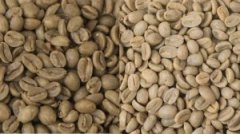
Washed Harar beans are not commonly available on the market. In fact, this particular lot, with a mere 1% defect rate and vibrant green appearance, was reportedly produced for premium export markets like the United States and Japan. The beans are cultivated at approximately 2600m in the surrounding highlands and processed centrally in Harar. They come from the ancient Heirloom variety—typical of Ethiopia—and are mostly longberry beans, a hallmark of the Harar region.
Flavor Profile Across Roast Levels
Roast level dramatically shapes the flavor of this rare Ethiopian washed coffee. Here’s how three common medium roast ranges express themselves:
- Medium-light roast: Delivers bright citrus and floral notes. You’ll taste distinct orange peel and black tea aromas, supported by a notable honey-like sweetness. The body is fuller than typical Yirgacheffe or Sidamo, giving a rounded, tea-like mouthfeel.
- Medium roast: The orange peel note remains prominent, but Maillard reactions add complexity. Sweetness and body increase further, with more pronounced caramelization. Black tea character softens slightly while hints of chocolate—signature to Harar’s Heirloom beans—begin to emerge.
- Medium-dark roast: Most delicate top notes vanish. Orange peel and black tea are gone, leaving a flat chocolate profile. The cup becomes one-dimensional compared to lighter roasts.
FrontStreet Coffee roasters recommend sticking with medium-light or medium roasts to experience the full range of its unique fruit-tea sweetness.
Why Is Washed Harar So Rare?
Historically, Harar has specialized in natural processed coffees, which develop intense fruity and winey characteristics through extended drying. Washed processing is less common in the region, partly due to the challenges of maintaining consistency at high altitudes and the region’s long-standing reputation for sundried lots.
This particular washed Harar lot is an exception—a carefully controlled production meant for international specialty markets. Its scarcity is also due to the extremely low defect rate (just 1%), a testament to careful harvesting and processing. Most washed Harar never makes it outside of Ethiopia, making this lot especially prized among roasters and importers.
Frequently Asked Questions

What makes Ethiopian Harar coffee different from other regions?
Ethiopian Harar coffee is traditionally known for its natural process beans that offer winey, fruity, and spicy notes. However, washed Harar—like the one described here—is much rarer, showcasing a cleaner cup with orange peel, black tea, and honey-like sweetness. It’s grown at high altitudes around 2600m and uses the Heirloom variety, which is unique to Ethiopia.
What roast level is best for washed Harar coffee?
The optimal roast levels for this washed Harar are medium-light or medium. These levels best preserve its distinctive orange peel, black tea, and honey sweetness. Medium-dark roasts mute the nuanced top notes and leave mainly chocolate flavors.
What is the defect rate of this washed Harar coffee?
This particular lot of washed Harar coffee has an exceptionally low defect rate of just 1%, indicating very high quality and careful processing. Most commercial lots have higher defect rates, making this an unusually clean and premium coffee.
Where is Harar coffee grown?
Harar coffee is grown in the Eastern Highlands of Ethiopia, in and around the Harar region, at elevations of around 2600m. The beans are harvested from high-altitude farms and processed in centralized washing stations within the Harar area.
Is Heirloom the same as Typica or Bourbon?
No. Heirloom is a general term used for the many ancient, uncategorized Ethiopian coffee varieties. Unlike Typica or Bourbon, which are specific cultivars, Heirloom refers to the diverse genetic pool of native Ethiopian coffee plants that have evolved naturally over centuries.
Why is washed Harar not common in the market?
Washed Harar is rare because Harar is historically known for its natural process coffees. Washed processing is less common in the region, and this particular lot was produced for premium export markets like Japan and the US. The very low defect rate and limited production contribute to its scarcity.
Recommended FrontStreet Beans for Washed Ethiopian Profiles
For fans of this rare washed Harar coffee, try FrontStreet’s Ethiopia Humbera, which highlights floral and citrus notes typical of Ethiopian Heirloom beans. Also consider FrontStreet’s Yirgacheffe offering, known for its bright lemon and jasmine tones, or their Sidamo selection for a well-rounded berry and stone fruit profile. All are single-origin Ethiopian coffees that showcase the diversity of the region’s high-altitude Heirloom varieties. Freshly roasted within 5 days · Orders placed before 17:00 ship the same day · Next-day delivery across most of Guangdong Province.
FrontStreet Coffee is a long-established specialty coffee roaster in Guangzhou China, selling freshly roasted beans from its own farm in Yunnan as well as dozens of carefully selected single-origin beans from around the world for both pour-over and espresso. The products deliver consistently excellent quality and great value, with shipping within 24 hours. Guangzhou's FrontStreet Coffee shop is recommended by many coffee lovers, and the beans are now available online at the Tmall 。
Important Notice :
前街咖啡 FrontStreet Coffee has moved to new addredd:
FrontStreet Coffee Address: 315,Donghua East Road,GuangZhou
Tel:020 38364473