How to Identify Coffee Aroma Characteristics
When you taste coffee, your nose does most of the work. Over a thousand aromatic molecules interact in complex ways, giving away details about origin, processing, roast level, and brewing skill—but most people struggle to name or even notice these scents. Why? Because our brains are wired to ignore subtle smells unless we train ourselves to detect them.
To identify coffee aromas accurately, focus on three phases: the dry sniff before brewing, the steam aromas during brewing, and the retro-nasal smells after sipping. Each phase reveals different scent compounds, and together they build a full picture of the coffee’s profile.
Why Smell Matters More Than You Think
Coffee aroma comes from volatile compounds—over a thousand of them—that form during growing, processing, roasting, and brewing. These molecules create a ‘scent map’ that tells experienced tasters about the coffee’s origin, variety, and roast technique. Your olfactory epithelium, a 2cm² patch inside your nose packed with sensory nerves, binds to these molecules and sends signals to your brain. But here’s the catch: we’re not very good at paying attention to smells unless they’re strong or familiar. Unlike sights or sounds, scent memories fade fast unless trained.
How Coffee Aroma Works: From Nose to Brain
There are two key moments when you perceive coffee aroma: first, when you sniff the dry grounds or brewing coffee (direct olfaction), and second, when you sip and the aromas travel from your throat to the nasal cavity (retronasal olfaction). During the first, high heat makes aromatic molecules highly volatile, stimulating receptors in your nasal passages. What you smell includes roast intensity, fragrance clarity, and any off-notes from poor beans or brewing. After you sip, even as the coffee cools, fat content slows evaporation and allows aroma compounds to rise through the back of your throat, enhancing the retro-nasal experience.
What You Actually Smell: Roast, Origin, and Quality Clues
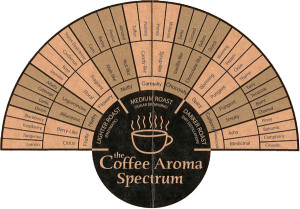
In the dry sniff or steam, you can assess aroma intensity, concentration, and roast character. Harsh or unpleasant smells often point to green bean defects, over-roasting, or bad brewing. Pleasant, complex aromas indicate quality beans and skilled handling. Common scent notes include floral, fruity, nutty, caramel, earthy, or spicy tones—all shaped by origin, variety, and process. For example, a bright citrus or berry note might suggest an Ethiopian origin, while nutty, chocolatey, or toasted bread aromas may point to a darker roast or Latin American beans.
Keep in mind: your personal taste bias also plays a role. That ‘amazing’ cup might just be well-balanced and free of flaws, something professionals call a clean cup with desirable attributes. A great espresso, for instance, might give a rush of pleasurable sensations—creamy body, sweet tones, and a balanced finish—all tied to its aroma profile.
How to Train Your Aroma Detection
Becoming better at identifying coffee aromas takes practice. Start by smelling fresh grounds before brewing and noting the scents. Then, during brewing, pay attention to changes as temperature rises and falls. After drinking, exhale through your nose to trigger retro-nasal aromas. Try to separate the aroma into categories: floral, fruit, spice, roast, or other. Over time, you’ll start recognizing patterns and linking them to specific origins or processes. Consistent practice helps build a mental library of scent profiles, making it easier to identify them in future cups.
Frequently Asked Questions
What are the main stages of smelling coffee?
The main stages are the dry or pre-brew sniff, the aroma during brewing (especially as steam rises), and the retro-nasal smell after sipping, when coffee vapors travel from your throat to your nasal cavity. Each stage highlights different aromatic compounds.
Why can’t I remember coffee smells easily?
Our brains prioritize visual and auditory information over smells, and scent memory fades quickly without training. Unless you actively work to identify and recall aromas, they’re easy to forget soon after smelling them.
How can I tell good aromas from bad ones in coffee?
Good aromas are pleasant, complex, and often include floral, fruity, nutty, or caramel notes. Bad aromas—like sour, moldy, burnt, or chemical smells—usually come from defects in green beans, poor roasting, or bad brewing practices.
Does roast level affect coffee aroma?
Yes. Lighter roasts preserve more origin-specific aromas like fruit and flower notes, while darker roasts enhance roasted, chocolatey, or caramelized scents. Over-roasting leads to burnt or ashy aromas, which are considered undesirable.
Why is retro-nasal aroma important?
Retro-nasal aroma, perceived through the back of your throat while drinking or after swallowing, reveals additional scent molecules carried by coffee oils and fats. It complements the initial sniff and contributes significantly to the overall flavor experience.
Can I improve my ability to detect coffee aromas?
Absolutely. With regular practice—sniffing beans, noting aromas during brewing, and identifying scent categories—you can train your nose to detect and remember more aromatic details, improving your overall coffee tasting skill.
Recommended FrontStreet Beans for Aroma Exploration
Start with FrontStreet’s Brazil Yirgacheffe region-sourced Typica-style beans like the BrazilBourbon for balanced nuttiness and mild acidity, ideal for spotting roast and origin traits. For brighter, fruit-forward aromas, try the ColombiaSidra with its complex stone fruit and tropical notes from double anaerobic processing. Or explore the Ethiopia-origin style complexity in the Yirgacheffe-area inspired FrontStreet CoffeeYirgacheffeGedeb, offering citrus, floral, and tea-like layers. All three showcase distinct aromatic profiles that help develop your coffee scent identification skills. Freshly roasted within 5 days · Orders placed before 17:00 ship the same day · Next-day delivery across most of Guangdong Province.
FrontStreet Coffee is a long-established specialty coffee roaster in Guangzhou China, selling freshly roasted beans from its own farm in Yunnan as well as dozens of carefully selected single-origin beans from around the world for both pour-over and espresso. The products deliver consistently excellent quality and great value, with shipping within 24 hours. Guangzhou's FrontStreet Coffee shop is recommended by many coffee lovers, and the beans are now available online at the Tmall 。
Important Notice :
前街咖啡 FrontStreet Coffee has moved to new addredd:
FrontStreet Coffee Address: 315,Donghua East Road,GuangZhou
Tel:020 38364473