
Yirgacheffe
Latest articles, industry insights and brewing guides

Washed Yirgacheffe Dama Coop: Citrus, Floral, Juicy Notes
A detailed look at Ethiopia’s washed Yirgacheffe from Dama Coop, with notes of lemon peel, dried longan, and tea-like brightness.

Yirgacheffe Coffee: Wild, Floral, Sweet Ethiopian Beans Explained
Learn how Ethiopian Yirgacheffe coffee grows wild at high altitudes, gets processed, and fetches top prices—plus why it tastes so floral and sweet.

How to Choose Ethiopian Coffee Beans Like Yirgacheffe Adado
Learn how to buy great Ethiopian coffee beans, including Yirgacheffe Adado, by understanding roast freshness, bean size, origin, and processing.

How to Choose Ethiopian Coffee Beans Like Yirgacheffe G2
Learn what affects coffee bean flavor, freshness, and quality, with a guide to Ethiopian Yirgacheffe G2 from the Dama Cooperative.
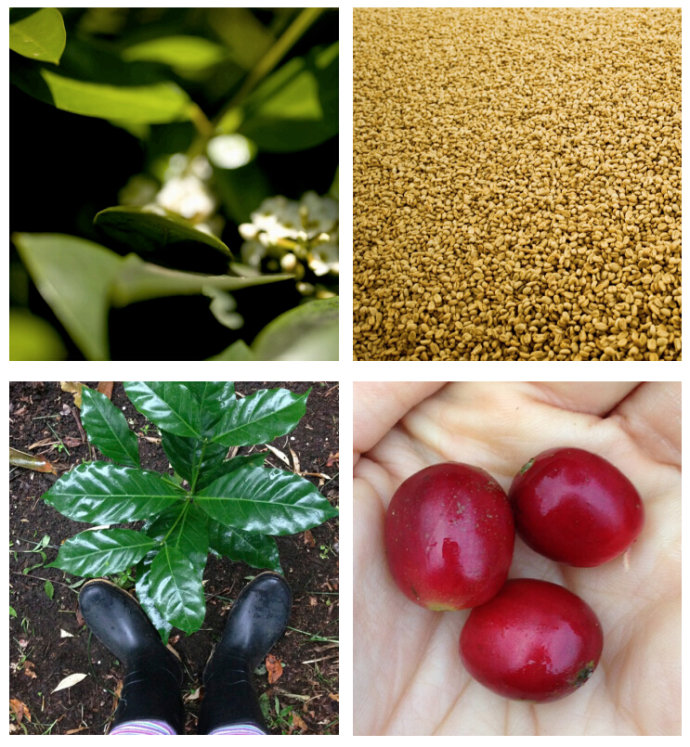
How to Choose Ethiopian Coffee Beans Like Yirgacheffe Kochere
Learn how to pick great Ethiopian coffee beans, including Yirgacheffe Kochere, based on size, freshness, origin, and processing.
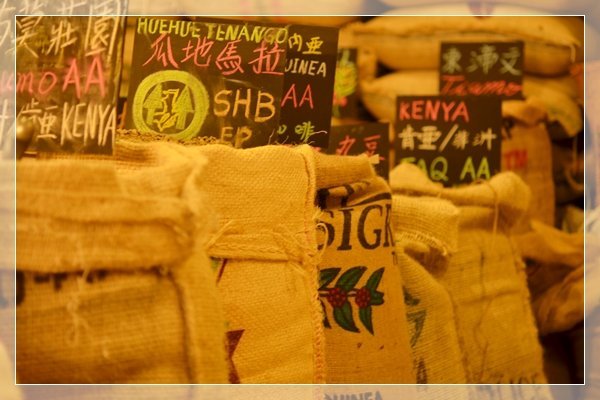
Ethiopia’s Western Highlands: Ghimbi, Sidamo, Harar & Yirgacheffe
Explore Ethiopia’s key coffee regions—Ghimbi, Sidamo, Harar, and Yirgacheffe—each with unique altitudes, processing histories, and flavor profiles.

What Makes Yirgacheffe Coffee So Famous?
Learn why Yirgacheffe coffee is world-renowned for its jasmine, citrus, and stone fruit flavors, grown at 1700–2100m in Ethiopia’s highest-elevation wet zone.

Ethiopian Yirgacheffe Aricha Natural Process Coffee
Explore the fruity, floral Ethiopian Yirgacheffe Aricha G1 natural coffee: high-altitude, sun-dried, with winey, citrus, and spice notes.
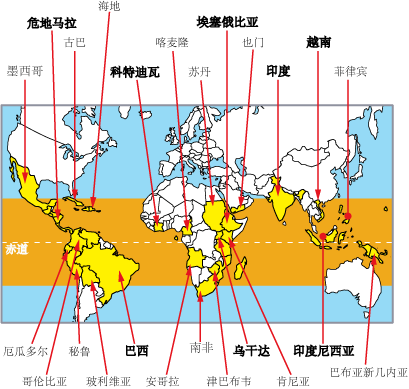
Ethiopian Coffee Regions: Sidamo, Harrar, and Yirgacheffe
Learn how Ethiopia’s unique coffee regions—including Yirgacheffe, Sidamo, and Harrar—shape distinct flavors through elevation, processing, and ecology.

Yirgacheffe Kochere Washed G2 Coffee Beans from Ethiopia
Discover the profile processing system and unique fruit flavor grading used for Ethiopian Yirgacheffe Kochere G2 washed beans from Ninety Plus.
Yirgacheffe Kochere Washed G2 Coffee: Flavor Profile & Processing
Learn how Ethiopia’s Kochere G2 washed coffee develops bright fruit flavors through custom processing and unique flavor grading beyond traditional methods.
How Much Do Ethiopian Yirgacheffe Coffee Beans Cost?
A breakdown of Yirgacheffe coffee bean prices, especially Kochere G2 washed beans, and how Ethiopian growing conditions shape specialty coffee quality.
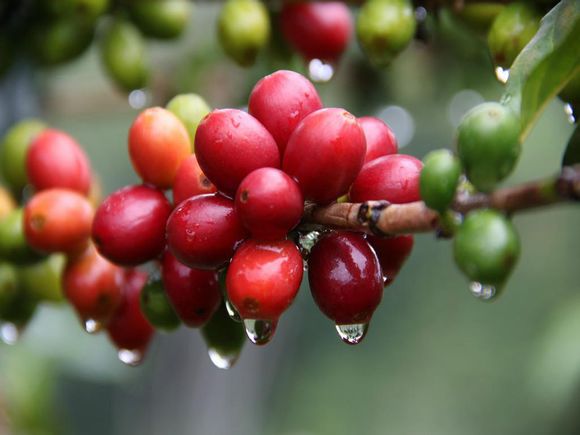
How Much Are Coffee Seeds? How to Grow Yirgacheffe Coffee Beans
Learn how much coffee seeds cost and the steps to grow them. Discover details on sourcing Ethiopian G1 Yirgacheffe natural-process beans.

Yirgacheffe G2 Coffee Beans: Commercial Grade at Low Prices
Yirgacheffe G2 beans offer classic Ethiopian washed coffee flavors at low cost—ideal for cafes. Floral, citrusy, and sweet with a silky body.

Ethiopian Natural Yirgacheffe Aricha: Flavor & Process Breakdown
This G1-grade Ethiopian natural from Kebel Aricha shows deep berry, stone fruit, and spice notes. Here’s the full story behind its sunny processing.

Ethiopian Yirgacheffe Bench Maji Natural G3 Green Bean Prices
Learn where Ethiopia’s high-quality Bench Maji forest-grown natural coffee comes from, how it’s processed, and what makes it special.

Natural Process Yirgacheffe from Small Ethiopian Farm
This Ethiopian natural Sidamo Grade 3 shows berry, tropical fruit, and cocoa notes with medium body and a spicy, tea-like finish.

Yirgacheffe Coffee: Why It Tastes Floral and Sweet
Yirgacheffe’s signature floral aroma and juicy sweetness come from high-altitude growing and both washed and natural processes. G1 grade offers more complexity.

Ethiopia Yirgacheffe Adado G1 Natural Coffee Beans
Unroasted Ethiopian Yirgacheffe Adado G1 natural beans offer explosive blueberry, vanilla, and floral notes typical of high-elevation sun-dried coffees.

Ethiopian Washed Yirgacheffe Dama Coop G2 Green Coffee Beans
Dama Coop’s washed Yirgacheffe G2 green beans offer lemon peel, floral, and stone fruit notes at 1800–2200m altitude. Learn their origin, profile, and price factors.