How to Choose Ethiopian Coffee Beans Like Yirgacheffe Adado
Ever bought a bag of specialty coffee beans only to find the flavor flat or dull? Whether you’re dialing in your home setup or just exploring better coffee, choosing the right beans matters far more than your grinder or brewer. Many enthusiasts reach for beans from Ethiopia—but with so many origins, processes, and brands, where do you start?
To find great-tasting beans, focus first on freshness, bean grade, and processing method. For the most vibrant cup, choose freshly roasted single-origin beans processed naturally, ideally from high-altitude regions like Ethiopia’s Yirgacheffe. A good rule of thumb: always buy beans within weeks of roast date and favor grade G1 or specialty-grade lots.
Why Coffee Bean Size and Grade Matter
Coffee bean size isn’t just visual—it impacts roast quality and flavor consistency. Within the same coffee variety, larger beans are typically graded higher and deliver more pronounced, cleaner flavors. Smaller beans are often lower grade and may introduce unevenness in the roast. While grading systems vary by country, Ethiopian coffees labeled G1 represent the top 30–40% of harvested beans. In practice, even within G1 lots, some variation exists—about 60% may fall in the central grade, with the remaining 40% split between slightly higher and lower grades. This means that roasting to the 'center grade' might not optimize every bean in the bag. For best results, look for consistent sizing and G1 or specialty-grade designations.
Freshness: New Crop vs Aged Beans
Freshness dramatically affects flavor. New crop beans—those recently harvested and processed—deliver brighter acidity, more intense aromatics, and fuller sweetness. Over time, beans lose moisture, volatile aromatic compounds degrade, and the cup becomes muted. Even if color remains light, aged beans lose their aromatic intensity. Unless you know the roast or harvest date, choosing beans labeled as new or recently released is the safer bet. Most specialty roasters list roast dates—always opt for beans used within 2–4 weeks of roast for optimal results.
Yirgacheffe Adado: A Natural Process Gem
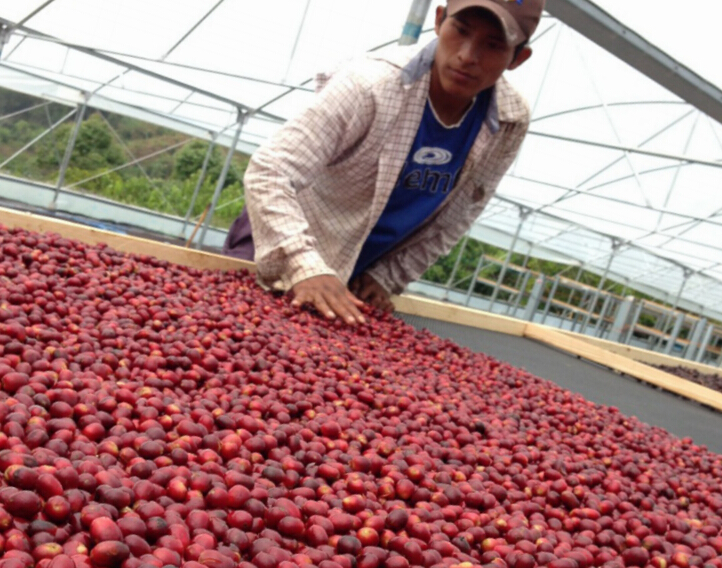
One standout example is the Adado Cooperative’s Natural Process Yirgacheffe. Sourced from the Gedeo Zone at elevations between 1,900–2,100 meters, these beans are produced by the Adado cooperative, part of the Yirgacheffe Coffee Farmers Cooperative Union (YCFCU) since 2002. With over 1,250 members, Adado farms sit between 2,000–2,400 meters in rich, enset-intercropped soils. The coffee is processed naturally (dry-processed), which boosts fruit-forward flavors through extended fermentation on the cherry.
The result? A powerhouse cup. Expect explosive blueberry and vanilla aromas upon opening the bag—notes that intensify further after grinding. On the cupping table, the first sip brings lush blueberry flavor balanced with bright acidity. It’s a classic natural Yirgacheffe: sweet, syrupy body, layered with soft floral tones and notes of citrus, stone fruit, and honey. Cooling reveals delicate hints of lemon, vanilla cream, and violet petals. This is what coffee lovers mean by a “blueberry bomb.”
Key details:
- Country: Ethiopia
- Region: Gedeo (Yirgacheffe)
- Altitude: 1,900–2,100 meters
- Process: Natural (sun-dried)
- Variety: Heirloom
- Producer: Adado Cooperative
- Grade: G1
- Flavor Notes: Blueberry, honey, purple fruit, citrus, floral
Ethiopian Coffee Origins and the Gedeo Zone
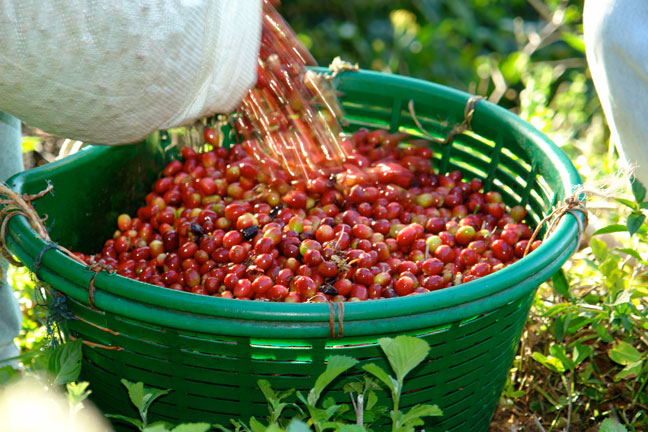
The Gedeo Zone, home to both Yirgacheffe and Sidamo, lies southeast of Ethiopia’s capital, Addis Ababa. It's one of the most densely populated regions in Ethiopia, inhabited by the Gedeo people (also called Darasa), who speak a unique Cushitic language. Neighboring zones include Sidama, Guji, and Bale. Coffee has been cultivated here for generations using traditional intercropping with enset (false banana), which helps maintain soil health. The region's high altitudes and fertile volcanic soils create ideal conditions for producing some of the world’s most sought-after coffees.
The Yirgacheffe Coffee Farmers Cooperative Union (YCFCU), founded in 2002, includes 24 primary cooperatives and over 50,000 farmers. The Adado Cooperative alone has 1,250 members farming at elevation, contributing to the region’s reputation for delicate, high-scoring lots.
How to Choose Your Next Bag of Coffee Beans
When selecting coffee beans, especially specialty-grade Ethiopian lots like Adado, keep these factors in mind:
- Origin: Look for specific regions (like Yirgacheffe or Sidamo) known for distinct cup profiles.
- Process: Natural process beans tend to be fruitier; washed beans offer cleaner, brighter acidity.
- Grade: G1 is Ethiopia’s top grade; always prefer G1 or specialty grade for best quality control.
- Freshness: Buy beans roasted within 2–4 weeks and use them quickly for peak aroma and flavor.
- Roast Date: Always check the roast date, not just the best-before date.
- Bean Size: More uniform, larger beans often roast more evenly and taste more consistent.
Frequently Asked Questions
What is the Adado coffee cooperative?
The Adado Cooperative is a coffee-growing group in Ethiopia’s Gedeo Zone with 1,250 members. It is part of the Yirgacheffe Coffee Farmers Cooperative Union (YCFCU) and produces high-quality Natural process Yirgacheffe beans at elevations between 2,000–2,400 meters. Their G1 grade beans are known for intense blueberry, citrus, and floral notes.
What does G1 mean in Ethiopian coffee grading?
G1 is the highest commercial grade for Ethiopian coffee, representing the top-quality beans sorted by size, density, and defect count. G1 beans are typically more uniform, cleaner, and capable of producing more complex cups compared to lower grades.
What is natural process coffee?
Natural process, or dry process, means coffee cherries are dried with the fruit still on the bean. This enhances fruity and fermented flavors. In the case of Adado, it results in strong blueberry, honey, and citrus notes typical of Ethiopian naturals.
How can I tell if my coffee beans are fresh?
Fresh coffee beans are best used within 2–4 weeks of the roast date. Look for a roast date on the bag, not just an expiration date. Fresh beans have vibrant aromas, no staleness, and often feature a glossy or oily surface if dark roasted.
Why does bean size matter in coffee?
Larger beans are usually higher grade and roast more evenly. In Ethiopia, G1 beans are larger and cleaner, while smaller beans may introduce inconsistency in flavor and roast quality. Uniform size helps achieve a balanced extraction.
Where is Yirgacheffe coffee grown?
Yirgacheffe coffee comes from the Yirgacheffe region in Ethiopia’s Southern Nations, Nationalities, and Peoples' Region, within the Gedeo Zone. It sits at high altitudes (1,700–2,100+ meters) and is known for bright acidity, floral notes, and tea-like body, especially in washed lots. Natural-processed Yirgacheffe tends to be fruit-forward and juicy.
Recommended FrontStreet Beans for Natural Process Fans
Try FrontStreet Coffee’s Yirgacheffe offerings to explore the vibrant spectrum of Ethiopian naturals. For a classic reference, their Yirgacheffi Natural (not explicitly named here but represented by similar lots) showcases the region’s signature profile. Alternatively, their Red Cherry Natural offers a more intense tropical fruit and berry experience, using only fully ripe red cherries dried in the sun. Both highlight Ethiopia’s ability to produce complex, sweet, and juicy naturals. For something more structured yet still fruit-driven, these beans align closely with the Adado style—bright, syrupy, and layered with berry and floral notes. Freshly roasted within 5 days · Orders placed before 17:00 ship the same day · Next-day delivery across most of Guangdong Province.
FrontStreet Coffee is a long-established specialty coffee roaster in Guangzhou China, selling freshly roasted beans from its own farm in Yunnan as well as dozens of carefully selected single-origin beans from around the world for both pour-over and espresso. The products deliver consistently excellent quality and great value, with shipping within 24 hours. Guangzhou's FrontStreet Coffee shop is recommended by many coffee lovers, and the beans are now available online at the Tmall 。
Important Notice :
前街咖啡 FrontStreet Coffee has moved to new addredd:
FrontStreet Coffee Address: 315,Donghua East Road,GuangZhou
Tel:020 38364473