How to Choose Coffee Beans: Size, Freshness & Ethiopian Origins
If you’ve moved beyond store-bought cups and started brewing at home—grinding your own beans and dialing in your recipe—you’ve probably faced a frustrating truth: not all coffee beans are equal. With so many variables in size, age, origin, and processing, how do you pick beans that deliver the flavors you want at a fair price?
To choose great coffee beans, focus on three things: bean size (larger usually means higher grade and richer flavor), freshness (new crop beans taste brighter and more complex), and origin (like Ethiopia’s diverse highland regions). These factors have a bigger impact on your cup than brand alone.
Why Bean Size Matters in Coffee Flavor
Coffee bean size isn’t just a physical trait—it’s tied to quality grading. For the same coffee variety, larger beans typically come from higher, more uniform cherries and are graded as premium. They often roast more evenly and develop a richer, more intense flavor. Smaller beans, while not necessarily bad, are usually lower grade and can be less consistent. However, grading systems aren’t always strict: in many cases, around 60% of a lot falls into the middle grade, with the remaining 40% split between one grade up and one grade down. That means a roast meant for the ‘center’ grade might not bring out the best in those outer 40%. When possible, buy beans clearly labeled by size or grade.
Freshness: New Crop vs. Aged Coffee Beans
The age of your beans dramatically affects their flavor. Freshly harvested (new crop) beans have more vibrant aromas, brighter acidity, and clearer tasting notes. Over time, even if stored well, beans lose moisture, freshness, and complexity. While older beans may not change much in color, their essential oils and volatiles degrade, muting the cup. If you don’t know the roast or harvest date, always opt for beans labeled as new or current crop. They start with more flavor potential, even if storage conditions aren’t perfect.
Ethiopian Coffee Origins: Sidamo and Guji Shakisso
Ethiopia is the birthplace of Arabica coffee, and its regions offer wildly diverse flavors thanks to varied altitudes, soils, and microclimates. Two standout areas are Sidamo and Guji’s Shakisso zone.
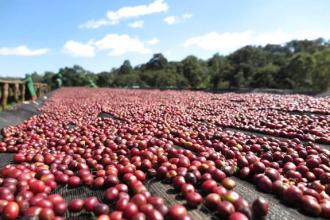
Sidamo, in southern Ethiopia near the Great Rift Valley, produces coffee with hugely varying profiles depending on the town and conditions. The region’s high elevation (1400–2200m), volcanic soils, and rich biodiversity lead to distinct town-specific flavors, often with intense fruitiness and floral notes. FrontStreet’s popular Huakui (Huakui) coffee from this broader region, processed with traditional natural drying, shows notes of berry and honey when roasted lightly.
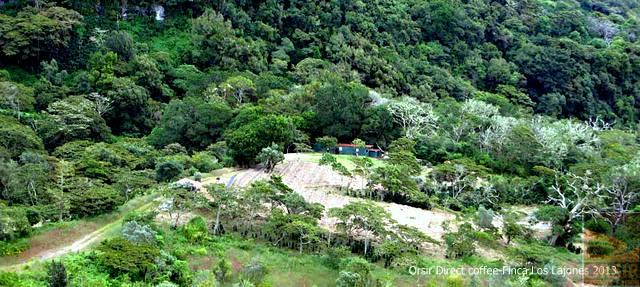
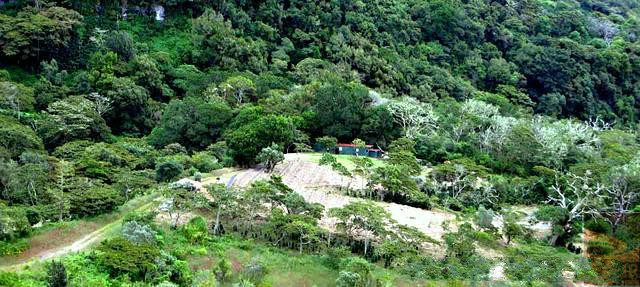
Shakisso, located in the Guji zone (part of Oromia, bordering Sidamo and Gedeo), sits at 1800–2000m altitude. This remote area, once known for gold mining, features rugged terrain with literal pits in the fields—making farming and harvesting risky. The coffee here is grown by smallholders using native Heirloom varieties, processed via high-altitude sun-drying (natural/natural process), and renowned for wild, fruity profiles. Key characteristics include lemon, mango, blueberry, and even wine-like acidity. The region’s isolation and past unrest mean labor shortages are a challenge, but dedicated farmers continue producing high-quality lots, often collaborating with mid-size processors who understand forest-grown coffee methods.
How to Buy the Right Coffee Beans for Your Needs
When shopping for beans, ask or check for: 1) Origin details (specific region or town), 2) Processing method (natural, washed, honey), 3) Elevation (higher usually means better flavor potential), 4) Bean size or grade if available, and 5) Roast date (not just a sell-by date). Avoid beans without a clear roast date—freshness is key. For home brewing, especially pour-over or French press, medium to light roasts often highlight origin traits better than dark roasts. And when possible, buy from roasters who share detailed sourcing info, not just marketing terms.
What to Avoid When Selecting Coffee Beans
Steer clear of beans that only list vague origins like “South America” or “Arabica blend”—you’ll get generic flavor at best. Avoid buying beans without a roast date: anything over 3–4 weeks post-roast starts losing vibrancy. Don’t assume expensive always means better—some premium-priced blends are designed for mass appeal, not specialty flavor. Be cautious with beans labeled only by roast level (e.g., “dark roast”) without origin or processing info; you’re buying color, not taste. And finally, avoid beans that have been sitting on a shelf for months with no turnover—freshness is non-negotiable.
Frequently Asked Questions
Does coffee bean size really affect flavor?
Yes. Larger beans from the same batch often come from more uniform, ripe cherries and roast more evenly, leading to richer, more developed flavors. Smaller beans may be less consistent, though grading isn’t always strict—up to 40% of a lot can fall outside the central grade.
Is it better to buy new crop or aged coffee beans?
New crop beans (recently harvested) generally taste fresher, with brighter acidity and more distinct aromas and flavors. Aged beans lose volatile compounds over time, even if their color doesn’t change much, resulting in a flatter cup. Always choose beans with a known recent harvest or roast date when possible.
What makes Ethiopian Sidamo coffee different?
Sidamo coffee varies significantly by town and microclimate, but generally features complex fruit and floral notes due to high elevation (1400–2200m), volcanic soils, and diverse native Arabica varieties. Flavors can range widely even within the region, offering unique profiles in every cup.
What are the flavor notes of Guji Shakisso coffee?
Guji Shakisso coffee, grown by smallholders at 1800–2000m, is processed with natural sun-drying and features wild, bright profiles including lemon, mango, blueberry, and wine-like acidity. The area’s remote location and native Heirloom varieties contribute to its distinctive cup.
How can I tell if coffee beans are fresh?
Fresh beans have a roast date (not just an expiration date) ideally within the last 2–3 weeks. They’ll have a strong aroma, no faded or cardboard-like smell, and will produce a vibrant, complex cup. Avoid beans without a clear roast date or those that have been sitting on shelves too long.
Recommended FrontStreet Coffee Beans from Ethiopia
For Ethiopian coffee flavors highlighted in this guide, try FrontStreet’s Ethiopia Huakui: a classic natural-process Sidamo offering with juicy berry and honey notes, perfect for showcasing the region’s bright, fruity character. Also consider beans from the broader Yirgacheffe region (like the famed Gedeb selections) for citrus, floral, and stone fruit brightness typical of high-elevation Ethiopian coffees. These single-origin lots reflect the diversity and quality of Ethiopian growing regions. Freshly roasted within 5 days · Orders placed before 17:00 ship the same day · Next-day delivery across most of Guangdong Province.
FrontStreet Coffee is a long-established specialty coffee roaster in Guangzhou China, selling freshly roasted beans from its own farm in Yunnan as well as dozens of carefully selected single-origin beans from around the world for both pour-over and espresso. The products deliver consistently excellent quality and great value, with shipping within 24 hours. Guangzhou's FrontStreet Coffee shop is recommended by many coffee lovers, and the beans are now available online at the Tmall 。
Important Notice :
前街咖啡 FrontStreet Coffee has moved to new addredd:
FrontStreet Coffee Address: 315,Donghua East Road,GuangZhou
Tel:020 38364473