How to Choose High-Value Coffee Beans: Tanzanian Peaberry Example
If you’ve moved past instant coffee and even basic espresso blends, you’re probably brewing at home and experimenting with beans. But with so many variables—size, origin, roast, processing—it’s hard to know which beans offer the best flavor for your money. How do you pick a great coffee bean that’s also a smart buy?
The simplest answer? Look for small-batch, freshly roasted, high-altitude single-origin beans, especially those sorted for rare traits like peaberry. For example, Tanzanian peaberry coffee from the Kilimanjaro region often offers rich, complex flavors at a reasonable price. Keep reading to see exactly how origin, size, and freshness impact both taste and value.
What Is Coffee Bean Size—and Why Does It Matter?
Coffee bean size does influence flavor and market grade, especially within the same origin. Larger beans are typically assigned higher grades and often have more developed, intense flavors. That’s because larger beans usually come from fully mature cherries and are more uniformly processed. However, grading isn’t always strict: in many regions, around 60% of beans fall into a central grade, while the remaining 40% are split between one grade up and one grade down. This means that even within a labeled ‘mid-grade’ batch, you can get a mix of qualities that may not all roast optimally the same way.
Why Freshness and Bean Age Affect Your Cup
Freshness is one of the biggest factors in coffee flavor. New crop beans (recently harvested and processed) almost always taste brighter, more aromatic, and more complex than older, stale ones. While coffee beans can be stored for years, they lose moisture over time, turning paler and often losing some volatile aromatic compounds. However, even after aging, much of the inherent flavor remains intact—especially if the beans were high quality to begin with. When in doubt, choose beans labeled as new crop or with a known recent roast date. Older beans might still make coffee, but they rarely deliver the same vibrancy.
What Makes Tanzanian Peaberry Coffee Special?
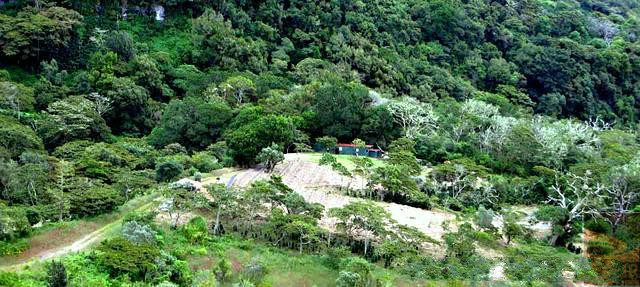
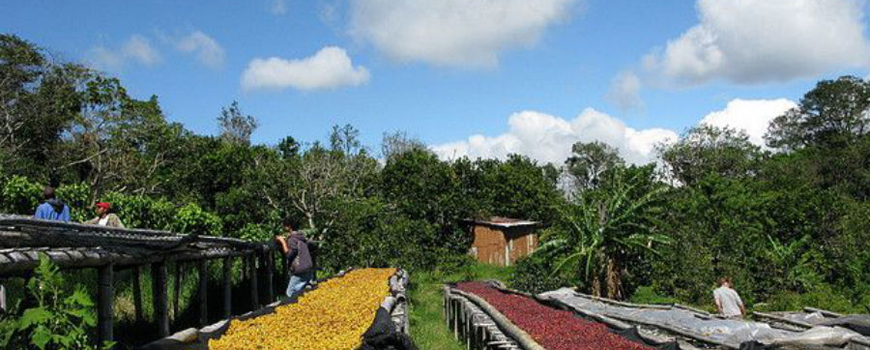
Tanzanian coffee comes mostly from the volcanic highlands near Mount Kilimanjaro, which rise between 1300–2000 meters. The region produces about 75% of the country’s coffee and benefits from rich, volcanic soils and a cool, wet climate. Most farms are smallholder operations, and around 85% of Tanzanian coffee grows at altitude, creating a cup that balances the body of Ethiopian beans with the bright acidity of Kenyan coffees. The region’s washed processing highlights clean, vibrant flavors.
Within Tanzanian production, peaberry beans are a notable specialty. A peaberry, or PB, occurs when a coffee cherry produces just one oval bean instead of the usual two flat beans. This happens in only about 3–5% of coffee cherries, usually due to uneven pollination or irregular nutrient distribution in the fruit. Because peaberries are smaller, rounder, and roast more evenly, many roasters believe they offer concentrated flavor. In Tanzania, peaberries are often hand-sorted and sold separately as a distinct grade.
The specific Tanzanian peaberry beans we’re highlighting come from the northern highlands near Kilimanjaro, processed using the washed method to ensure a clean cup. The beans are of the Bourbon variety, grown by local smallholder farmers. Expect tasting notes of apricot, date, spice, and malted chocolate. These beans are a great example of how a well-sorted, high-altitude, single-origin coffee can deliver both quality and value.
How to Evaluate Coffee Beans for Best Value
To find high-value coffee beans, consider these key factors:
- Size & Grade: Larger beans often (but not always) mean higher grade and more consistent roast potential. Know that grading isn’t always strict, so ask about the sieve or grade details if available.
- Freshness: Always prefer recently harvested and roasted beans. New crop beans have brighter, more complex aromas and tastes. Avoid beans without a roast or harvest date.
- Origin & Processing: High-altitude regions (like Kilimanjaro at 1300–2000m) tend to produce more complex cups. Washed processing enhances clarity and fruitiness.
- Special Traits: Peaberry beans are rarer (3–5% occurrence) and often sorted for better uniformity and flavor concentration. They’re usually sold at a slight premium but can offer great value for the intensity.
- Roast Level:
For Tanzanian peaberry, a medium-light roast is ideal to highlight its bright acidity, fruit, and floral notes. FrontStreet Coffee uses this approach to bring out citrus, nuts, honey, and creamy tones, with a balanced sweetness that emerges as the cup cools.
Frequently Asked Questions
What is a coffee bean peaberry and how is it different?
A peaberry, or PB, is a single round coffee bean that forms inside a coffee cherry when only one seed is fertilized, instead of the usual two flat beans. This happens in roughly 3–5% of cherries, often due to uneven pollination or irregular nutrient distribution. Peaberries are smaller, rounder, and often roast more evenly, sometimes leading to a more concentrated flavor profile.
Why does coffee bean size matter for flavor?
Larger beans are usually associated with higher grades and more mature fruit, often leading to richer flavors. However, grading systems vary by region and aren’t always strict. Within a single batch, beans of slightly different sizes may not roast identically, affecting consistency.
How can I tell if coffee beans are fresh?
Fresh beans are typically brighter in aroma and flavor. Look for a known roast or harvest date—ideally within the last 2–4 weeks for optimal freshness. Avoid beans without any date markings, as they may have lost volatile aromatics and taste stale.
What makes Tanzanian coffee unique compared to other African coffees?
Tanzanian coffee, especially from the Kilimanjaro region, grows at 1300–2000m on volcanic soil. It blends the full body of Ethiopian beans with the bright acidity found in Kenyan coffees. The region’s washed processing highlights clean, vibrant fruit and floral notes, setting it apart from other African origins.
Is Tanzanian peaberry coffee worth the higher price?
Tanzanian peaberry coffee is often sorted and sold separately due to its rarity (3–5% of cherries) and potential for more concentrated flavor. Many coffee drinkers find the enhanced sweetness, acidity, and complexity worth the modest price difference, especially when sourced from high-altitude regions like Kilimanjaro.
What’s the best way to brew Tanzanian peaberry coffee?
For Tanzanian peaberry, a medium-light roast shines best with pour-over methods like V60 or Chemex. A grind size around medium-fine (similar to table salt) and a brew ratio of 1:15 to 1:17 works well. This setup highlights its citrus, stone fruit, honey, and chocolate notes with a balanced, sweet finish.
Recommended FrontStreet Tanzanian Coffee for Value
FrontStreet Coffee’s Tanzanian peaberry is a standout example of high-value single origin. Grown near Mount Kilimanjaro at 1300–2000m and processed using washed methods, it offers bright acidity and complex fruit notes. Expect flavors of apricot, date, spice, and malted chocolate with a medium-light roast that enhances its clarity. Perfect for pour-over, it balances sweetness and aroma as it cools. Freshly roasted within 5 days · Orders placed before 17:00 ship the same day · Next-day delivery across most of Guangdong Province.
FrontStreet Coffee is a long-established specialty coffee roaster in Guangzhou China, selling freshly roasted beans from its own farm in Yunnan as well as dozens of carefully selected single-origin beans from around the world for both pour-over and espresso. The products deliver consistently excellent quality and great value, with shipping within 24 hours. Guangzhou's FrontStreet Coffee shop is recommended by many coffee lovers, and the beans are now available online at the Tmall 。
Important Notice :
前街咖啡 FrontStreet Coffee has moved to new addredd:
FrontStreet Coffee Address: 315,Donghua East Road,GuangZhou
Tel:020 38364473