
Yirgacheffe
Latest articles, industry insights and brewing guides

Washed Yirgacheffe from Ethiopia’s Dama Cooperative
Explore the washed Yirgacheffe from Ethiopia’s Dama Cooperative, part of the YCFCU, known for citrus, stone fruit, and floral notes with a sweet finish.
Ethiopian Natural Yirgacheffe Aricha G1 Coffee Review
This G1 Ethiopian natural process Yirgacheffe Aricha offers bright acidity, bold berry notes, and a thick body. Learn how it’s processed and why it stands out.
What Is Yirgacheffe Coffee and Why Is It So Acidic?
Yirgacheffe coffee comes from Ethiopia’s high-altitude Yirgacheffe region, known for bright citrus, floral aromas, and vibrant acidity in a light roast.
Ethiopian Sidamo and Yirgacheffe Coffee Beans Guide
Explore Ethiopia’s top coffee regions—Sidamo and Yirgacheffe—with notes on flavor, processing, grading, and what makes these beans unique.
Yirgacheffe Sun Fruit Blend from George Commune
A high-value berry-forward espresso blend from George Commune stood out at HOTELEX Shanghai 2024 with clean, balanced flavor and great value.
Yirgacheffe Adado: Floral, Juicy, and Bright Ethiopian Coffee
Discover why this Yirgacheffe Adado coffee stands out with its jasmine aroma, stone fruit flavors, and balanced strawberry sweetness.
What Makes Yirgacheffe Coffee So Special?
Discover what makes Ethiopia’s Yirgacheffe coffee famous: bright citrus, floral notes, and a delicate sweetness from high-altitude washed processing.
What Does Yirgacheffe Coffee Taste Like?
Yirgacheffe coffee delivers bright citrus, floral notes, and tea-like sweetness. Learn what defines its unique cup profile and processing styles.
Ethiopian Sidamo G2 & Yirgacheffe Coffee Bean Guide
Explore the diverse flavors of Ethiopia’s Sidamo G2 and Yirgacheffe beans, known for bright citrus, floral notes, and unique low caffeine profiles.

Why Ethiopia’s Yirgacheffe Aricha G1 Is Everyone’s New Favorite Coffee
A former WBC China champ’s go-to Ethiopian: this sun-dried Yirgacheffe Aricha G1 offers juicy citrus, floral honey, and a tea-like finish.

What Makes Ethiopian Yirgacheffe Coffee Unique?
Learn why Yirgacheffe coffee stands out, from its high elevation and floral profile to its washed and natural processing methods.

Yirgacheffe SOE: Espresso or Pour-Over? Key Characteristics Explained
Discover whether Yirgacheffe SOE works better as espresso or filter, its flavor profile, and how roast level impacts taste in your cup.

The Ethiopian Coffee Ceremony: How It’s Done in Yirgacheffe
Discover how Ethiopians traditionally prepare and serve coffee at home, step by step — including roasting, grinding, brewing, and serving three rounds.

Yirgacheffe Coffee: Ethiopia’s Floral, Citrus-Forward Specialty Bean
Explore why Yirgacheffe coffee tastes so floral and bright—its high elevation, unique processing, and regional microclimates create its signature profile.
Yirgacheffe: Ethiopia’s Most Floral Specialty Coffee Region
Learn why Yirgacheffe coffee is globally prized for its bright citrus, floral aromas, and delicate body—plus how to brew it like a pro.
Why Yirgacheffe Coffee Is So Popular in Specialty Shops
Learn why Ethiopian Yirgacheffe beans are prized for their bright citrus, floral notes, and why this high-altitude region defines African coffee character.

Yirgacheffe and Ethiopian Coffee Origins Explained
Explore Ethiopia’s key coffee regions, processing methods, grading system, and top coffees like Yirgacheffe and Sidamo with facts on flavor, export, and roast profiles.
Washed Yirgacheffe: How to Brew Ethiopian Coffee
Learn how to brew Ethiopia Yirgacheffe Washed Aricha Misty Valley using a BBC filter for bright citrus and tea-like notes.
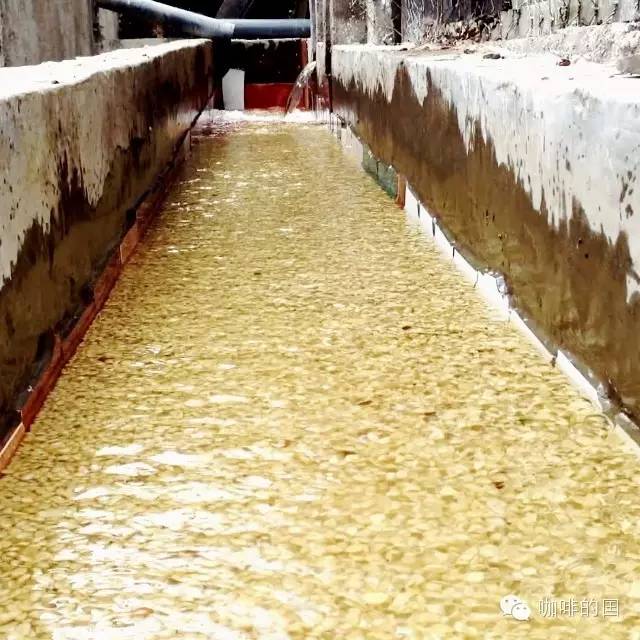
How Washed Coffee Processing Works: Ethiopian Yirgacheffe Example
Washed coffee processing removes fruit layers via fermentation and water. This guide explains the 7-step method with insights from Ethiopia’s Yirgacheffe region.
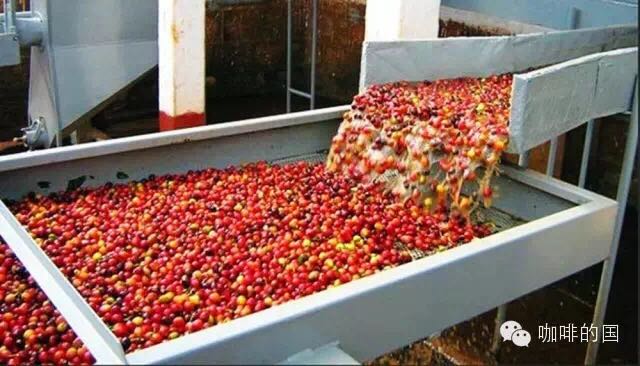
What Is Washed Coffee Processing? Yirgacheffe Kochere Explained
Washed coffee removes the fruit layer for clean, bright flavors. Learn how the washed process works and see how Ethiopia’s Kochere region does it.