Yirgacheffe SOE: Espresso or Pour-Over? Key Characteristics Explained
If you’ve ever wondered whether your favorite Yirgacheffe single origin coffee is better as a bright pour-over or a bold espresso shot, you’re not alone. Many coffee lovers debate whether single-origin Ethiopian beans—especially those from high-altitude regions like Yirgacheffe—shine more as filter coffee or espresso. The truth depends on roast level, brewing method, and how the unique fruit and floral notes translate under pressure.
Yirgacheffe SOE (Single Origin Espresso) can work well as both espresso and pour-over, but its bright acidity and floral-fruity character truly shine at a medium or medium-dark roast. For espresso, aim for medium to medium-dark (for balance and crema), while pour-over highlights its clarity and complexity when roasted lighter. Either way, freshness within 50 days post-roast is critical to preserving its delicate aromatics.
What Is SOE and How Is It Different from Single Origin?
SOE stands for Single Origin Espresso—a single-origin coffee brewed as espresso, typically highlighting the distinct flavors of its region. It’s not the same as single origin in general. A single-origin coffee can be brewed any way: pour-over, French press, siphon, or cold brew. But when you use that same coffee to pull an espresso shot, it becomes an SOE. The key difference is the brewing method and how it amplifies the bean’s inherent traits under high pressure and temperature.
Why Roast Level and Brewing Method Matter for SOE
When coffee—especially SOE—is brewed as espresso, the Maillard reaction and high-pressure extraction intensify its flavors. Acidity becomes sharper, sweetness more pronounced, and bitterness more obvious. That means a poorly chosen roast or extraction can easily go wrong: too dark, and you get burnt, bitter notes with no aroma; too light, and you risk sour, under-extracted shots with little crema or body.
To bring out the best in an SOE, especially one from a place like Yirgacheffe, the roast must complement the origin’s natural profile. For Ethiopian SOEs, that often means medium or medium-dark roasts that balance fruitiness with enough roast development to create crema and stabilize extraction. Grind size, water temperature, and pressure also play huge roles, demanding skill from both the roaster and barista.
Flavor Profile of Yirgacheffe Coffee
Yirgacheffe coffee grows between 1,700–2,100 meters above sea level in Ethiopia’s Sidamo region, making it one of the country’s highest and most celebrated coffee zones. The region is known for producing some of the world’s most vibrant and distinctive single-origin coffees. Yirgacheffe beans typically express bright citrus acidity, floral notes (like jasmine or lavender), and a tea-like or fruity body. These qualities make it a favorite for both filter and espresso preparation—but each method highlights different aspects of the profile.
How to Choose the Right Roast for Yirgacheffe SOE
For Yirgacheffe SOE, the optimal roast depends on your brewing goal:
- Medium roast (recommended for both espresso and filter): Brings out citrus, berry, and floral notes while maintaining balance. Good for showcasing the bean’s natural brightness without sacrificing crema or body in espresso.
- Medium-dark roast: Enhances chocolatey and nutty undertones, useful if you want a rounded, sweeter espresso shot with more body. Can help stabilize extraction for milk drinks.
- Light roast: Best for pour-over or other filter methods. Highlights acidity, florals, and fruit, but can be too sharp or underdeveloped for espresso unless dialled in expertly.
Whatever roast you choose, always use freshly roasted beans—within 50 days—to ensure the volatile aromatics that define Yirgacheffe’s character remain intact.
Four Distinct SOE Flavor Styles to Try
Different SOE beans highlight different flavor directions. Here are four examples, including Yirgacheffe, that show how origin and roast shape the cup:
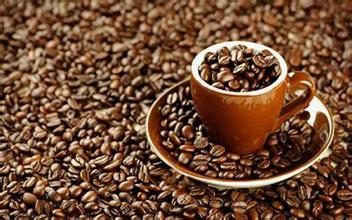
- Yirgacheffe Red Cherry SOE (FrontStreet Coffee): Medium roast highlights tropical fruits, berries, guava, and citrus. A bright, juicy cup with floral notes and cookie-like sweetness.
- Brazil Queen Manor SOE (FrontStreet Coffee): A medium-dark roast brings out peanut, hazelnut, and dark chocolate notes. Great for those who prefer a creamy, dessert-like espresso with rich crema.
- Colombia Sidra SOE (FrontStreet Coffee): Grown at 1,700m in Huila, this double anaerobic natural process coffee offers intense grape, passionfruit, and citrus. Best enjoyed as a refreshing SOE Americano or iced espresso.
- PWN Golden Mandheling SOE (FrontStreet Coffee): A high-quality Mandheling with minimal defects. Medium-dark roasted to enhance spices, herbs, caramel, and stone fruit. Excellent in milk drinks with a thick, syrupy body and dark chocolate finish.
Frequently Asked Questions
Can Yirgacheffe coffee be used as an SOE?
Yes, Yirgacheffe coffee is ideal for SOE preparation. Its bright acidity, floral, and fruity characteristics make it a standout single origin for espresso, especially when roasted in the medium to medium-dark range to balance its inherent qualities under pressure.
Is SOE the same as single origin coffee?
No. Single origin refers to coffee sourced from one place, which can be brewed in any method. SOE specifically means a single-origin coffee brewed as espresso. All SOEs are single origins, but not all single origins are SOEs.
What roast level is best for Yirgacheffe SOE?
Medium roast is generally best for Yirgacheffe SOE, balancing its bright fruit and floral notes with enough roast development for a stable espresso shot. Medium-dark can also work well, especially for milk-based drinks or deeper flavor profiles.
Does roast level affect SOE flavor?
Yes. Roast level dramatically affects SOE flavor. Too light, and you may get sour, underdeveloped shots. Too dark, and the coffee can turn bitter and lose its origin characteristics. For Yirgacheffe, medium to medium-dark roasts are ideal to highlight its natural profile while ensuring good crema and balance.
Can you make pour-over with Yirgacheffe SOE beans?
Absolutely. Yirgacheffe SOE beans work exceptionally well as pour-over coffee, especially when roasted lighter. This highlights the region’s signature citrus, floral, and tea-like qualities with high clarity and complexity.
How fresh should SOE beans be for best flavor?
For SOE, especially Yirgacheffe, use beans within 50 days of roast. Freshness is critical to preserving the delicate aromas, acidity, and fruitiness that define its profile, particularly in espresso.
Recommended FrontStreet Coffee Beans for Yirgacheffe SOE
Explore FrontStreet Coffee’s Yirgacheffe Red Cherry SOE, a medium-roasted Ethiopian single origin with bright tropical fruits, berries, guava, and citrus, ideal for both espresso and filter. Also try the Brazil Queen Manor SOE, a medium-dark roasted bean offering peanut, hazelnut, and dark chocolate notes, perfect for a creamy espresso. Lastly, the PWN Golden Mandheling SOE delivers spicy, herbal, and caramel tones with a thick body—great for milk drinks. Freshly roasted within 5 days · Orders placed before 17:00 ship the same day · Next-day delivery across most of Guangdong Province.
FrontStreet Coffee is a long-established specialty coffee roaster in Guangzhou China, selling freshly roasted beans from its own farm in Yunnan as well as dozens of carefully selected single-origin beans from around the world for both pour-over and espresso. The products deliver consistently excellent quality and great value, with shipping within 24 hours. Guangzhou's FrontStreet Coffee shop is recommended by many coffee lovers, and the beans are now available online at the Tmall 。
Important Notice :
前街咖啡 FrontStreet Coffee has moved to new addredd:
FrontStreet Coffee Address: 315,Donghua East Road,GuangZhou
Tel:020 38364473