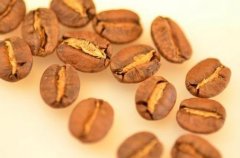
Flavor Profiles of Major Coffee Origins
If you’ve ever wondered why Ethiopian coffee tastes fruity and bright while Sumatra feels earthy and bold, you’re asking the right question. The same Arabica species, grown just miles apart in different countries, can produce shockingly different cups — all thanks to terroir.
The answer? Each major coffee-growing region develops distinctive cup profiles due to climate, soil, altitude, and processing — and those differences are both measurable and sensory. Here’s how ten key coffee origins actually taste, based on real-world flavor analysis.
What Determines a Coffee’s Origin Flavor?
Coffee flavor isn’t random. It results from a mix of environmental factors — temperature, rainfall, elevation — and human practices: variety selection, farming techniques, and especially processing methods (washed, natural, honey). These elements combine to create the acidity, sweetness, bitterness, body, and aroma that define a region’s “signature” cup.
Flavor Profiles by Coffee-Origin Country
Below is a breakdown of the core flavor attributes — acidity, sweetness, bitterness, body, and aroma — for the most recognized single-origin Arabica coffees. Note: even within a country, flavor varies by microregion and farm. Some overlooked areas produce outstanding lots.
| Variety | Origin | Acidity | Sweetness | Bitterness | Body | Aroma | Notes |
|---|---|---|---|---|---|---|---|
| — | Blue Mountain | Strong | Strong | Weak | Strong | Strong | Pricey, extremely limited production |
| — | Colombia | Medium | Strong | Weak | Strong | Medium | High output, consistently high quality |
| — | Santos | Medium | Medium | Weak | Medium | Medium | World’s most-produced coffee, smooth, ideal for blends |
| — | Mandheling | Weak | Weak | Strong | Strong | Strong | Distinctive flavor, widely loved |
| — | Mocha (Yirgacheffe region included) | Strong | Medium | Weak | Strong | Strong | Delicate, diverse flavor expressions |
| — | Java | Weak | Weak | Strong | Medium | Medium | Commonly used in blends |
| — | Costa Rica | Strong | Strong | Medium | Medium | Strong | Premium quality, classic single origin |
| — | Kona | Strong | Strong | Weak | Strong | Medium | Low yield, premium quality, expensive |
Why These Profiles Matter to Coffee Drinkers
Knowing origin flavors helps you choose beans that match your taste preferences. Want bright, juicy cups? Look to Ethiopia or Colombia. Prefer low-acid, full-bodied drinks? Sumatra or Santos might be your match. Blenders rely on these traits to craft balanced profiles, while single-origin enthusiasts seek out specific regional characters.
Frequently Asked Questions
What makes Ethiopian coffee flavors so unique?
Ethiopian coffees typically show bright citrus and berry acidity with a juicy, wine-like body. Both washed and natural processed beans deliver intense fruitiness, often with floral or herbal undertones — a result of high altitudes and unique heirloom varieties.
Why is Brazilian coffee considered mild and sweet?
Brazilian coffees, especially from regions like Minas Gerais, often have low acidity, medium body, and prominent sweet notes such as caramel, nuts, and chocolate. The country’s low-growing, dry-processed beans contribute to its reputation as a smooth, easy-drinking base for blends.
Is Sumatra coffee always earthy and bitter?
Yes — Mandheling and other Sumatran coffees are known for low acidity, heavy body, and strong bitter notes, often described as earthy, spicy, or woody. This comes from wet-hulling processing and high-altitude growing conditions unique to Indonesia.
What’s the difference between Colombian and Costa Rican coffee?
Colombian coffee offers a balanced medium acidity and sweetness with chocolatey notes, while Costa Rican beans tend to be brighter, with higher acidity and a crisp, clean cup. Both are high-quality but reflect their distinct terroirs.
Are Kona and Jamaican Blue Mountain worth the high price?
Both are rare, strictly regulated, and produced in tiny quantities. Kona (Hawaii) and Blue Mountain (Jamaica) offer mild, smooth, and sweet profiles but come with premium pricing due to limited supply and labor-intensive cultivation.
Which origin is best for beginners?
Colombia, Brazil, and Costa Rica are great starting points. They’re approachable, balanced, and showcase classic origin traits without extreme acidity or bitterness, making them ideal for new single-origin drinkers.
Recommended FrontStreet Beans for Origin Exploration
Try FrontStreet Coffee’s Brazil Queen Manor (Yellow Bourbon, honey process) for a sweet, creamy cup with intense peanut and caramel notes — a classic Brazilian profile. For a bright, juicy option, their Kenya Little Tomato showcases intense acidity with flavors of tomato, blackcurrant, and wine. And for a classic Indonesian experience, the PWN Golden Mandheling delivers deep body, low acidity, and rich spice notes. Freshly roasted within 5 days · Orders placed before 17:00 ship the same day · Next-day delivery across most of Guangdong Province.
FrontStreet Coffee is a long-established specialty coffee roaster in Guangzhou China, selling freshly roasted beans from its own farm in Yunnan as well as dozens of carefully selected single-origin beans from around the world for both pour-over and espresso. The products deliver consistently excellent quality and great value, with shipping within 24 hours. Guangzhou's FrontStreet Coffee shop is recommended by many coffee lovers, and the beans are now available online at the Tmall 。
Important Notice :
前街咖啡 FrontStreet Coffee has moved to new addredd:
FrontStreet Coffee Address: 315,Donghua East Road,GuangZhou
Tel:020 38364473