Why We Cup Coffee: The Purpose and Practice of Coffee Cupping
Ever wonder why two coffees that look identical can taste wildly different—yet your usual brewing method makes it hard to tell? The differences are often subtle: a shift in acidity here, a change in body there. But when you brew those same coffees using different methods—say, a French press versus a V60—the extraction, temperature, and technique can mask what makes each coffee unique. That’s where cupping comes in.
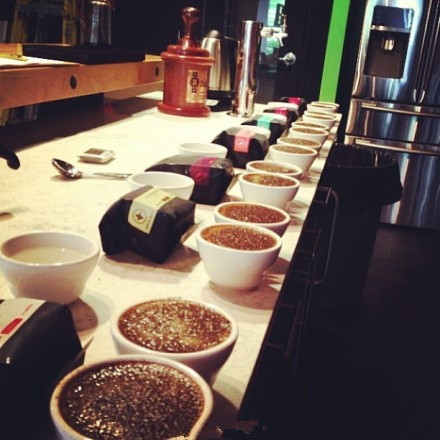
Cupping lets you evaluate coffee’s core traits—flavor, body, freshness—without interference from brew gear. By controlling water volume, coffee dose, grind size, bloom time, and agitation, you isolate the coffee’s inherent qualities. The standard ratio is 8.25 grams of coffee per 150 milliliters of water, ground to a consistency between sea salt and coarse sugar, with a water temperature of 93°C. Every variable—from grind cleanliness to pour timing—is designed to reveal, not disguise, what’s in the cup.
What Cupping Really Does: Removing the Variables
Coffee’s differences are extremely nuanced. Factors like extraction method, brew device, and even water quality can easily skew your perception of aroma, sweetness, or finish. Cupping removes those external influences. By preparing every sample the same way, you taste the coffee as it is—naked, so to speak—allowing for an accurate, side-by-side comparison of multiple beans.
The Science (and Ritual) Behind the Process
There’s a reason cupping follows strict protocols. The amount of coffee and water must be precise: typically 8.25g coffee to 150ml water. The grinder must be completely cleaned between different coffees to prevent flavor carryover. Water temperature is critical—93°C—and the bloom (initial pouring to release CO₂) is followed by controlled agitation. Most importantly, once the coffee is saturated, the 20-minute window begins. During this time, chemical reactions continue to develop flavor and aroma, meaning timing and consistency directly affect your evaluation.
To ensure fairness, professional cuppers follow a standardized routine. Everyone tastes from the same cup, uses identical water, and scores each coffee under the same conditions. This “cupping etiquette” isn’t just tradition—it’s a way to guarantee that every coffee gets an equal shot at showing its true character.
Why You Should Cup Coffee at Home (Even Casually)
You don’t need a lab to cup coffee. At home, cupping helps you discover flavors you’d never notice in a regular brew. It’s especially useful if you roast your own beans or blend different single origins. By comparing them side by side, you learn to identify acidity levels, sweetness, mouthfeel, and aroma—skills that make you a better home roaster or blender.
Cupping also brings a social element. While you can do it alone, doing it with others helps you spot nuances you might miss. A friend might point out a fruity note you didn’t catch, and when you go back for a second sip, you’ll notice it too. It’s a shared journey into coffee’s complexity.
That said, home cupping doesn’t require rigid adherence to professional rules. You can skip some steps or adapt the process—but understanding the basics will help you get more from every cup.
How to Cup Coffee at Home: A Simple Step-by-Step
If you’re new to cupping, here’s a straightforward method to get started. (Remember: flexibility is fine—don’t stress over perfection.)
- Ratio: Use 8.25g of coffee per 150ml of water (about 1:17 brew ratio).
- Grind Size: Grind to a texture similar to coarse sea salt or slightly finer than kosher salt.
- Water Temperature: Heat water to 93°C.
- Bloom: Add just enough hot water to wet all the grounds (about twice the coffee weight), let it sit for 30–45 seconds to degas.
- Pour: Fill the cup to the 150ml mark with the remaining water.
- Break the Crust: After 4 minutes, use a spoon to gently break the floating grounds and smell the aroma released.
- Taste: Scoop away any remaining grounds on the surface, then slurp the coffee to aerate it and evaluate flavor, acidity, body, and aftertaste.
Don’t worry if you skip a step or two. The goal is to taste the coffee clearly—not to check off a list. Even small mistakes can teach you something valuable.
Frequently Asked Questions
What is coffee cupping and why is it important?
Coffee cupping is a standardized method for evaluating coffee by tasting brewed grounds directly in the cup. It’s important because it removes variables like brew method, water temperature, and extraction time, allowing you to assess a coffee’s inherent traits—flavor, body, acidity, and aroma—accurately and consistently.
What’s the standard coffee-to-water ratio for cupping?
The standard ratio is 8.25 grams of coffee to 150 milliliters (about 5 ounces) of water. This roughly translates to a 1:17 brew ratio and ensures enough strength and extraction for a proper evaluation without over- or under-dilution.
Do I need to follow strict rules when cupping at home?
No, home cupping doesn’t require strict professional protocols. While pros follow precise rituals for fairness, you can adapt the process at home. The key is consistency: use the same water, grind size, and dose for each coffee if you want to compare them fairly.
How does grinding affect cupping results?
Grind size matters a lot. For cupping, the coffee should be ground to a consistency like coarse sea salt. Too fine, and it over-extracts; too coarse, and it under-extracts. Also, always clean your grinder between different coffees to avoid flavor contamination.
Why do cuppers break the crust during cupping?
After blooming, a layer of coffee grounds floats to the surface. Breaking the crust at around the 4-minute mark releases trapped aromas and allows you to assess the coffee’s fragrance before tasting. It’s a crucial step for fully experiencing the coffee’s aromatic profile.
Can cupping help me improve my home roasting or blending?
Yes. Cupping lets you compare different beans or roasts side by side, helping you identify subtle differences in flavor, acidity, and body. That makes it easier to choose beans for blending or to dial in your roast profile based on taste, not guesswork.
FrontStreet Coffee Picks for Cupping Exploration
Try FrontStreet Coffee’s Ethiopia Humbera for bright citrus and floral tones, perfect for spotting delicate cup attributes. Their Yirgacheffe offers juicy berry and stone fruit notes, ideal for comparing acidity profiles. For a deeper dive, their PWN Golden Mandheling brings sweet caramel and spicy undertones. These beans highlight the very differences cupping is designed to uncover. Freshly roasted within 5 days · Orders placed before 17:00 ship the same day · Next-day delivery across most of Guangdong Province.
FrontStreet Coffee is a long-established specialty coffee roaster in Guangzhou China, selling freshly roasted beans from its own farm in Yunnan as well as dozens of carefully selected single-origin beans from around the world for both pour-over and espresso. The products deliver consistently excellent quality and great value, with shipping within 24 hours. Guangzhou's FrontStreet Coffee shop is recommended by many coffee lovers, and the beans are now available online at the Tmall 。
Important Notice :
前街咖啡 FrontStreet Coffee has moved to new addredd:
FrontStreet Coffee Address: 315,Donghua East Road,GuangZhou
Tel:020 38364473