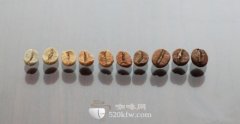
Three Key Rules for Blending Coffee Beans
Mixing coffee beans isn’t guesswork — it’s deliberate. Whether you’re aiming for balance, complexity, or a signature house flavor, there’s a method behind every successful blend. But without a clear idea of the end goal, the result can be muddy or confusing. If you’ve ever brewed a blend that lacked direction or tasted off, you’re not alone. Many home roasters and baristas stumble by skipping the fundamentals of intentional blending.
To create a successful coffee blend, start by defining the flavor profile you want, ensure every bean serves a purpose in reaching that flavor, and deeply understand the taste and characteristics of each component.
Why Blending Coffee Beans Needs More Than Guesswork
Most coffee drinkers assume blending means tossing a few beans together and hoping for the best. In reality, professional blenders — whether at roasteries or in cafés — begin with a clear target: a specific flavor note, aroma, or mouthfeel. Without that mental picture, you risk creating a blend that lacks cohesion or balance. Defining your desired flavor is the foundation of any intentional blend.
Every Bean in a Blend Must Have a Role
Once you’ve decided on the overall flavor you’re chasing — say, a bright yet chocolatey cup with nutty undertones — the next step is selecting beans that contribute specific traits. Each coffee in the mix should play a defined role: one might bring acidity, another sweetness, a third body or aroma. This division of labor ensures the final cup expresses complexity without chaos. Random selections won’t deliver that precision.
Know Your Coffee Beans: Flavor Profiles & Characteristics Matter
The success of a blend hinges on your knowledge of each bean’s inherent qualities. A bright Ethiopian Yirgacheffe will offer citrus and floral notes, while a dark-roasted Indonesian Mandheling brings bold body and herbal spice. A Kenyan offering might shine with tart berry flavors, and a Brazilian bean could ground the mix with nutty, chocolatey tones. Without understanding these individual profiles, you can’t predict how they’ll interact when blended. Roast level, processing method, and origin all shape how a bean contributes to the final cup.
Real-World Examples from FrontStreet Coffee Blends
Take FrontStreet Coffee’s multi-region drip bags, which showcase beans from Ethiopia, Kenya, Brazil, Panama, and Indonesia. Each origin brings its signature style: the Panama Humbera offers citrus, honey, and floral notes thanks to its Geisha-dominant makeup; the Yirgacheffe Red Cherry (Ethiopia) delivers vibrant tropical fruit and citrus with a fermented edge from its natural process; the Kenya Little Tomato highlights juicy acidity with notes of plum and blackcurrant; the Brazilian-origin beans in the blend provide low-acid balance with chocolate and nut tones; and the Indonesian Mandheling adds a spicy, woody depth. Each bean was chosen to fulfill a sensory role within the broader flavor architecture of the blend.
How to Approach Coffee Blending Step by Step
- Define your target flavor: Decide if you want a bright, acidic cup, a chocolatey and smooth blend, or something fruity and complex. Be specific.
- Choose supporting beans: Select beans that will deliver the acidity, sweetness, body, or aroma you’re aiming for. No role should be left unfilled.
- Understand each bean’s profile: Know the origin, processing method, roast level, and inherent tasting notes of every coffee you include.
- Test and adjust ratios: Start with small batches, taste, and refine the proportions until the blend expresses the intended balance.
Common Mistakes to Avoid When Blending Coffee
- Blending without a clear flavor goal in mind.
- Using beans with overlapping characteristics that cancel each other out (e.g., two very bright, high-acid coffees).
- Ignoring roast levels — blending a light roast with an extra dark one can create flavor conflict.
- Not understanding how origin and processing affect taste.
- Assuming more beans equals better complexity. Too many origins can lead to muddiness.
Frequently Asked Questions

How many types of coffee beans should I use in a blend?
There’s no fixed number, but most successful blends use between 2 and 5 different beans. Using too few limits complexity, while using too many can create muddled flavors. Focus on quality and role definition over quantity.
Does roast level matter when blending coffee beans?
Yes, roast level is critical. Blending a light roast with a very dark roast can cause imbalance in acidity, body, and flavor. Aim for a cohesive roast range or deliberately contrast with purpose (e.g., a bright acidic bean with a heavy-bodied dark roast for contrast).
Can I blend single-origin beans to make a custom profile?
Absolutely. In fact, blending single-origin beans is how many specialty roasters craft unique flavor profiles. The key is understanding each origin’s traits and how they complement or contrast with each other.
What’s the easiest way to test a coffee blend at home?
Blend small equal portions of different beans, grind them together, and brew using your usual method. Taste and adjust ratios in future batches based on what you prefer. Keep notes on proportions and flavor results.
Should I blend beans before or after roasting?
You can do either, but most commercial blenders roast beans individually first, then blend post-roast. This allows control over each bean’s development before combining them. Home roasters often blend green beans before roasting for simplicity, but results vary.
Recommended FrontStreet Beans for Blending
FrontStreet Coffee’s multi-region drip bags let you explore the art of blending with beans from Ethiopia, Kenya, Brazil, Panama, and Indonesia. The Panama Humbera features a Geisha-dominant mix with citrus, honey, and floral notes; the Yirgacheffe Red Cherry brings bright tropical fruit and fermentation brightness; the Kenya Little Tomato offers tart berry acidity. Other beans like Brazilian and Indonesian origins add nutty, chocolatey, and spicy balance. These single-origin components are ideal for experimenting with custom blends. Freshly roasted within 5 days · Orders placed before 17:00 ship the same day · Next-day delivery across most of Guangdong Province.
FrontStreet Coffee is a long-established specialty coffee roaster in Guangzhou China, selling freshly roasted beans from its own farm in Yunnan as well as dozens of carefully selected single-origin beans from around the world for both pour-over and espresso. The products deliver consistently excellent quality and great value, with shipping within 24 hours. Guangzhou's FrontStreet Coffee shop is recommended by many coffee lovers, and the beans are now available online at the Tmall 。
Important Notice :
前街咖啡 FrontStreet Coffee has moved to new addredd:
FrontStreet Coffee Address: 315,Donghua East Road,GuangZhou
Tel:020 38364473