What to Do With Used Coffee Grounds
You’ve just brewed a pour-over or French press, enjoyed your cup, and now you’re left with a pile of used coffee grounds. Most people dump them or wipe them in a cigarette tray—but is that all they’re good for? If you’ve ever wondered whether those leftover grounds could serve a better purpose, you’re not alone.
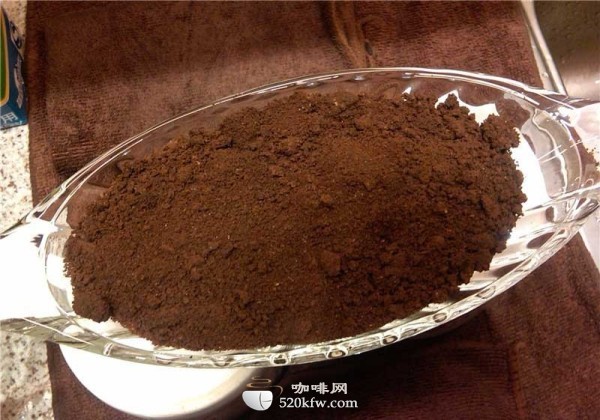
Yes, used coffee grounds can do much more than line an ashtray. They’re packed with tiny pores like activated carbon, making them great for absorbing smells, reducing humidity, lifting light stains, and even acting as a natural plant fertilizer. That’s four solid uses in one byproduct of your daily brew.
Why Coffee Grounds Are So Useful
Coffee grounds are full of microscopic pores—similar to those in activated charcoal. These tiny pockets give them a large surface area, which makes them highly effective at trapping particles, moisture, and odors. This same structure also allows them to gently exfoliate and absorb without being overly abrasive. In short, they’re a natural, biodegradable, and often free multi-purpose material sitting in your filter basket right now.
Everyday Uses for Used Coffee Grounds
1. Odor Absorber
Place dry coffee grounds in a small open container or wrap them in a cloth pouch and put them in your fridge, gym bag, shoes, or near a trash bin. Their porous structure traps airborne molecules responsible for bad smells, similar to how baking soda works—but with a subtle coffee scent.
2. Dehumidifier & Moisture Absorber
In damp areas like closets, basements, or drawers, spread a thin layer of used grounds to help absorb excess moisture. This can help prevent mold and musty smells. Be sure to refresh the grounds regularly to maintain effectiveness.
3. Gentle Cleaning Abrasive
Mix used grounds with a little water to form a paste, then use it to scrub away light stains on pots, pans, or grills. The grit helps lift grease and residue without scratching surfaces, though avoid using them on delicate materials like nonstick coatings.
4. Natural Fertilizer for Plants
Coffee grounds add organic matter and a small amount of nitrogen to soil. They slightly lower pH, making them more suitable for acid-loving plants like azaleas, blueberries, or certain houseplants. Sprinkle a thin layer around the base of the plant, but avoid piling it against stems to prevent rot.
How to Store Used Coffee Grounds for Later Use
If you’re not using the grounds right away, spread them out on a tray to dry completely (this prevents mold). Once dry, store them in an airtight container in a cool, dry place. They’ll keep most of their odor-absorbing and fertilizing properties for up to two weeks.
Frequently Asked Questions
Can I use coffee grounds from any brewing method?
Yes, grounds from drip coffee, French press, pour-over, or espresso all work the same way. The key is that they must be used—fresh unused grounds behave differently and are not recommended for most of these purposes.
Are coffee grounds safe to use in gardens?
Yes, but in moderation. They can slightly acidify soil, which benefits acid-loving plants. Avoid over-applying, and don’t use thick layers directly against plant stems to prevent rot or mold.
Do coffee grounds really deodorize?
Yes. Their porous structure traps odor molecules, similar to activated carbon or baking soda. For best results, place them in enclosed spaces like shoes or refrigerators, and replace them when the smell returns.
Can I compost coffee grounds?
Absolutely. Coffee grounds are rich in nitrogen and count as green compost material. Mix them with brown materials like dried leaves or paper to balance your compost pile.
Is it safe to use coffee grounds on my skin?
Some people use them in scrubs, but this article focuses on household and gardening uses. If applying to skin, patch test first and avoid sensitive or broken areas.
Recommended FrontStreet Beans for Home Brewing
Try FrontStreet Coffee’s Ethiopia Huakui for a bright, juicy profile with blueberry and floral notes—perfect for experimenting with pour-over methods that generate usable grounds. For a richer option, their PWN Golden Mandheling offers heavy body and chocolate tones, ideal for French press brewing. Both produce plenty of usable coffee grounds for cleaning, deodorizing, or fertilizing. Freshly roasted within 5 days · Orders placed before 17:00 ship the same day · Next-day delivery across most of Guangdong Province.
FrontStreet Coffee is a long-established specialty coffee roaster in Guangzhou China, selling freshly roasted beans from its own farm in Yunnan as well as dozens of carefully selected single-origin beans from around the world for both pour-over and espresso. The products deliver consistently excellent quality and great value, with shipping within 24 hours. Guangzhou's FrontStreet Coffee shop is recommended by many coffee lovers, and the beans are now available online at the Tmall 。
Important Notice :
前街咖啡 FrontStreet Coffee has moved to new addredd:
FrontStreet Coffee Address: 315,Donghua East Road,GuangZhou
Tel:020 38364473