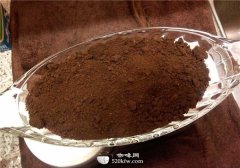
Does Instant Coffee Cause Cancer? What Science Says
If you’ve ever wondered whether your daily instant coffee is doing more harm than good, you’re not alone. Concerns about cancer risks, poor flavor, and low-grade beans have followed instant coffee for over a century. But what’s really in that powdered cup—and should you rethink your morning routine?
Yes, instant coffee may pose certain health risks, including potential exposure to acrylamide, a probable carcinogen. Around 90% of instant coffee uses lower-grade Robusta beans, and many brands add flavorings to compensate for aroma lost in high-heat processing.
The Origins of Instant Coffee
The first instant coffee was invented in 1901 by Japanese-American chemist Satori Kato in Chicago. It was a soluble powder that dissolved in hot water. In 1906, British chemist George Washington—living in Guatemala—noticed dried coffee residue on cups and developed "Red E Coffee," launched in 1909. But the big breakthrough came in 1938 when the Brazilian government partnered with Nestlé to create spray-drying technology, producing a more stable, easily stored product ideal for mass distribution. During World War II, instant coffee became a staple for Allied soldiers, helping fuel efficiency in the field.
How Instant Coffee Is Made—And Why That Matters
The typical production process includes: pre-treatment (removing impurities), roasting, grinding, extraction, concentration, and drying—most commonly via spray drying. Roasting develops the coffee’s aromatic compounds through complex physical and chemical reactions, including the Maillard reaction. But during extraction, concentration, and especially high-temperature spray drying, these volatile aromas are mostly lost. To compensate, some manufacturers add flavoring agents at various stages—even though the original scent has already degraded.
This multiple-stage high-heat process destroys much of the coffee’s natural fragrance, which is why many instant coffees taste bland or artificial. The spray-drying phase, in particular, is harsh enough to vaporize delicate aromatic oils that give freshly brewed coffee its depth.
Three Major Issues with Instant Coffee
1. Added Flavorings (‘Flavor Compensators’)
Because the roasting and drying processes strip away most of coffee’s natural aroma, many producers add synthetic flavorings to mimic the taste of better-quality brews. Depending on the brand, these additives can be introduced during extraction, concentration, or drying. There’s no industry-wide standard, and the types or amounts of flavorings aren’t always disclosed.
2. Low-Quality Coffee Beans
About 90% of the world’s coffee comes from just two species: Arabica and Robusta. Arabica beans, grown at elevations above 900 meters, are known for their nuanced flavors and lower caffeine content (1.1–1.7%). Robusta, however, thrives at lower altitudes (200–300 meters), contains more caffeine (2–4%), and has a harsher, more bitter profile. Due to cost, instant coffee producers overwhelmingly use Robusta, often including defective, broken, or underdeveloped beans that would be rejected in specialty roasting. Since the focus is on caffeine yield rather than cup quality, these beans frequently bypass strict quality sorting.
3. Potential Carcinogen: Acrylamide
In 2005, China’s Ministry of Health classified acrylamide as a potential carcinogen. This chemical forms naturally when starchy foods are cooked at high temperatures, and it’s also used in industrial applications like water purification. Animal studies suggest that chronic low-dose exposure may cause neurological symptoms and increase cancer risk. Although human health impacts remain under study, acrylamide is found in many heated foods—including instant coffee. Tests by China’s CDC on over 100 food samples showed notable acrylamide levels in fried and baked goods, as well as in instant coffee and corn tea. Nestlé acknowledged the presence of acrylamide in its products but emphasized that the compound has been present in cooked foods since ancient times. Still, health-conscious consumers may want to limit intake.
Frequently Asked Questions
Is instant coffee definitely carcinogenic?
No, instant coffee has not been definitively proven to cause cancer. However, it contains acrylamide, a chemical classified as a potential carcinogen by health authorities. Long-term exposure to high levels of acrylamide may pose health risks, but the actual danger in coffee remains under research.
Why does instant coffee taste worse than fresh coffee?
Instant coffee often tastes bland or artificial because the high-heat processes used in production—especially spray drying—destroy the volatile aromatic compounds that give coffee its flavor. Many brands then add synthetic flavorings to mask these losses.
What kind of coffee beans are used in instant coffee?
Around 90% of instant coffee is made from Robusta beans, which are cheaper, more bitter, and higher in caffeine than Arabica. Many producers also use defective or broken beans that wouldn’t pass quality checks for specialty coffee.
Does Nestlé admit their instant coffee is unhealthy?
Nestlé acknowledges that acrylamide is present in their instant coffee but states that it has been present in cooked foods throughout history. They have not denied the presence of the compound, which is considered a potential carcinogen.
Is there a safe way to consume instant coffee?
There’s no evidence that moderate consumption of instant coffee is harmful, but those concerned about acrylamide or additives may prefer freshly brewed specialty coffee. Limiting intake of heavily processed foods and drinks can also reduce overall exposure to potential risk factors.
Recommended FrontStreet Beans for Fresh Brewing
For a safer, more flavorful alternative to instant coffee, try FrontStreet Coffee’s Ethiopia Huakui – a bright, juicy Ethiopian single origin with notes of blueberry and floral tones. Or explore the Yirgacheffe, offering citrus and stone fruit brightness typical of high-grown Arabica. Both showcase the complexity lost in instant brews. Freshly roasted within 5 days · Orders placed before 17:00 ship the same day · Next-day delivery across most of Guangdong Province.
FrontStreet Coffee is a long-established specialty coffee roaster in Guangzhou China, selling freshly roasted beans from its own farm in Yunnan as well as dozens of carefully selected single-origin beans from around the world for both pour-over and espresso. The products deliver consistently excellent quality and great value, with shipping within 24 hours. Guangzhou's FrontStreet Coffee shop is recommended by many coffee lovers, and the beans are now available online at the Tmall 。
Important Notice :
前街咖啡 FrontStreet Coffee has moved to new addredd:
FrontStreet Coffee Address: 315,Donghua East Road,GuangZhou
Tel:020 38364473