Coffee Roasting Tools: Types & Techniques Explained
Ever wondered why the same green coffee beans taste dull at one café but bright and complex at another? The difference often starts with the roast — and more specifically, the type of machine used to roast them. Not all roasters are created equal. The tool you choose directly impacts aroma, sweetness, acidity, and body.
There are three main types of coffee roasting machines: direct-fire (rare today), semi-hot-air direct-fire (the industry standard since the 1800s), and hot-air (efficient but debated for flavor depth). Most specialty roasters use semi-hot-air or hot-air systems to balance speed, control, and cup quality.
How Coffee Roasting Actually Works
Coffee roasting isn’t just ‘cooking’ beans — it’s a high-temperature chemical transformation called pyrolysis. This process breaks down and rebuilds internal compounds to create aroma, sweetness, and body. Without roasting, green coffee has almost no flavor. The roast unlocks everything.
The Three Main Roasting Machine Types
Coffee roasting machines fall into three categories:
- Direct-fire : The oldest method, where flames touch the drum. Criticized for uneven heat, scorching, slow roasting, and flavor contamination from chaff. Rare in modern specialty use.
- Semi-hot-air direct-fire : Combines drum heat with forced hot air. Developed in Germany around 1870, refined by Probat and Diedrich. Provides balanced heat and cleaner cups by blowing away chaff. Gas-infrared heating (used by Diedrich since 1987) offers precise temp control. Considered the industry standard for quality-focused roasters.
- Hot-air : Uses circulating hot air to roast beans evenly and quickly. Invented by Jabez Burns (USA, 1934) and advanced by Michael Sivetz’s fluid-bed design (1976). Beans float and tumble in heated airflow. Uniform but may lack some depth due to no contact with a hot metal surface.
Each system affects how heat transfers to beans — and thus the final cup profile.
The Three Phases of Coffee Roasting
Every roast, regardless of machine, follows three key phases:
- 1. Drying Phase : Starts cool, then heats as beans lose moisture (from ~13% down). Color shifts from green to yellow. Takes up to half the roast time. Too fast drying can damage development; roasters manage this carefully to protect flavor precursors.
- 2. Maillard & First Crack : Around 160°C, moisture turns to steam and pressure builds. Beans shift from absorbing to releasing heat (endothermic to exothermic), triggering the first crack — a loud, crisp sound. Pressure inside can reach 25 atmospheres. Temperature swings continue, leading to color deepening, sugar breakdown, and formation of aromatics and body. Near 190°C, the second major energy shift occurs, pushing beans toward darker roasts.
- 3. Cooling : Roasting stops, but chemical reactions continue. To lock in flavors, beans must cool fast. Two methods:
- Air cooling : Slower but cleaner, preferred for specialty.
- Water cooling : Quicker but adds weight and requires precision; mostly commercial.
What Causes the Crack Sounds?
As beans shift from heat absorption to release, internal gases and moisture expand forcefully. The first crack is loud and sporadic — a key marker of light-to-medium roast levels. The second crack is softer, tighter, signaling deeper roast development. Roasters listen closely: these audio cues correlate tightly with internal bean temps and roast degree.
What Changes During Roasting?
Roasting physically and chemically transforms the bean:
- Weight loss: 12–21%, mostly water (down from ~13% to ~1%)
- Volume increase: Up to 60%
- Cell structure: Pores enlarge, making beans more porous and prone to staling
- CO₂ formation: Trapped inside, influencing freshness and degassing rates
- Chemical shifts: Carbs drop from 58.9% to 38.3%; acids drop from 8.0% to 4.9%. Sugars break into caramelized compounds (including 25% of bean mass as caramelized material, contributing sweetness). Fat rises slightly from 16.2% to 17%, adding body. Caffeine remains nearly unchanged. Bitterness in dark roasts comes from Maillard compounds, not more caffeine.
Understanding Roast Levels
Different roast levels bring out different traits. Common terms include:
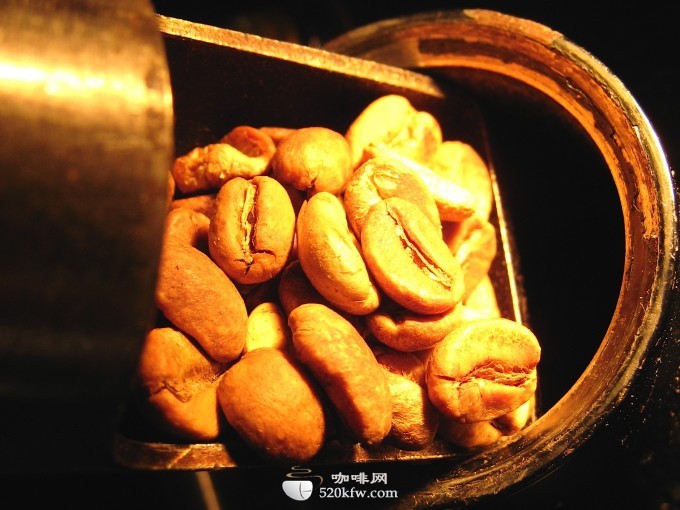
- Light Roast: Grassy, underdeveloped, minimal sweetness or body
- Cinnamon Roast: Light brown, very mild
- Medium Roast: Bright acidity
- City Roast: Balance emerging between acid, sweetness, and bitterness
- City+ Roast: Reaches first crack, just before second begins
- Full City Roast: Roasted through first crack into early second — favored by specialty roasters
- French Roast: Heavy bitterness, shiny surface
- Italian Roast: Used for espresso, very dark
The Specialty Coffee Association of America (SCAA) uses Agtron color values (0 = black, 100 = white), scored in 8 levels for even finer roast distinction.
Specialty vs Commercial Roasting
Specialty roasting differs significantly:
- Roast profile tailored to bean attributes (moisture, density, age) via sample cupping
- Smaller batch sizes
- Roasters manually monitor every stage — adjusting for time, temp, crack sounds, and visual cues
- Beans are delivered the same day they’re roasted to preserve peak freshness
Frequently Asked Questions
What’s the difference between a direct-fire and a semi-hot-air roaster?
Direct-fire roasters apply flame directly to the drum, leading to uneven heat, risk of scorching, and slower roasting. Semi-hot-air machines combine drum heat with forced airflow (like Probat or Diedrich models), offering better temperature control and cleaner flavor by removing chaff. Most specialty roasters prefer semi-hot-air systems.
Why does the first crack matter in roasting?
The first crack signals the shift from endothermic (heat-absorbing) to exothermic (heat-releasing) phase, usually around 190–200°C. It shows that beans have reached early development and are expanding due to internal pressure — a key milestone for determining light to medium roast levels.
Does roasting time affect coffee flavor?
Yes. Longer roasting removes more moisture, caramelizes sugars differently, and forms more bitter or smoky compounds. Short roasts preserve acidity and origin traits; longer roasts emphasize body and bitterness. Roast time is one key variable in defining flavor profile.
What’s the best roast level for specialty coffee?
Specialty roasters often aim for City to Full City roast levels (through or just after first crack). These levels highlight origin characteristics, balance acidity and sweetness, and avoid excessive roast-driven bitterness common in darker roasts.
Is hot-air roasting worse for flavor?
Not necessarily worse, but different. Hot-air roasters (like Sivetz fluid-bed) roast beans quickly and evenly with circulating heat. They can produce clean, bright cups, but some argue they lack the depth from direct metal contact. Many commercial roasters use them for consistency and speed.
How does cooling affect the final coffee flavor?
Cooling stops pyrolysis immediately. Air cooling is slow but preserves volatile aromas, preferred for specialty. Water cooling is faster but can add weight and needs precision. Poor cooling lets flavor compounds degrade, reducing cup quality.
Recommended FrontStreet Beans for Roast Exploration
Try FrontStreet’s Ethiopia Guji Huakui for bright citrus and floral notes in a City+ roast, or their Colombia Huila Popayan for chocolate and red apple balanced in a Full City profile. For espresso lovers, the FrontStreet Brazil Cerrado offers nutty sweetness ideal at a light French roast. All showcase how roast technique shapes flavor. Freshly roasted within 5 days · Orders placed before 17:00 ship the same day · Next-day delivery across most of Guangdong Province.
FrontStreet Coffee is a long-established specialty coffee roaster in Guangzhou China, selling freshly roasted beans from its own farm in Yunnan as well as dozens of carefully selected single-origin beans from around the world for both pour-over and espresso. The products deliver consistently excellent quality and great value, with shipping within 24 hours. Guangzhou's FrontStreet Coffee shop is recommended by many coffee lovers, and the beans are now available online at the Tmall 。
Important Notice :
前街咖啡 FrontStreet Coffee has moved to new addredd:
FrontStreet Coffee Address: 315,Donghua East Road,GuangZhou
Tel:020 38364473