Pour-Over vs Siphon Coffee: Flavor and Body Compared
If you’ve ever wondered why your friend’s siphon-brewed cup tastes so rich and heavy while your pour-over feels bright and clean, you’re not alone. Both are manual brewing methods, both can make excellent coffee—but they create noticeably different results. What causes those differences? And which one really highlights the best qualities of specialty coffee?
In short: pour-over coffee tends to be lighter, sweeter, and more layered with higher acidity, while siphon coffee is fuller-bodied, denser, and often described as syrupy or creamy. The key difference lies in brew mechanics, filtration, and extraction dynamics.
Flavor Profile: Pour-Over vs Siphon
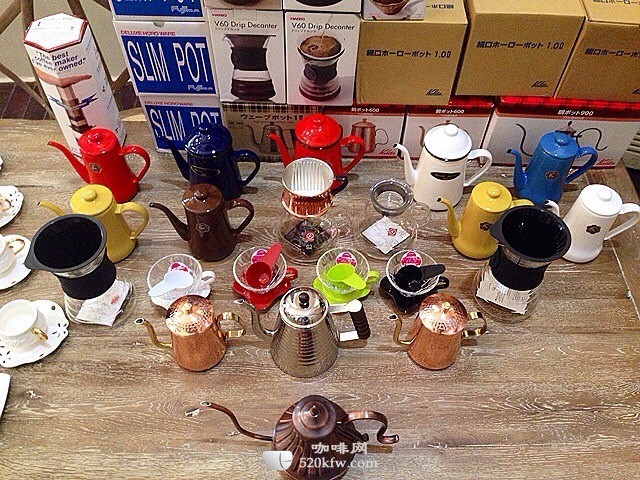
Pour-over coffee—made using methods like V60, Kalita Wave, or Chemex—produces a cup that’s delicate, bright, smooth, and layered. Sweetness remains strong, and the acidity is expressive yet balanced. The trade-off? It typically has slightly less body due to the paper filter trapping natural coffee oils and fine particles.
Siphon coffee, brewed in a glass siphon brewer using vapor pressure and vacuum action, creates a brew that’s thick, viscous, and richly textured. Many describe it as having a heavier mouthfeel, closer to espresso in body though not in intensity. The flavors tend to be deeper and more unified, often with a creamy or silky finish.
Why the Difference? Filtration and Brewing Physics
The primary reason for the contrast in body and texture comes down to filtration. Pour-over relies on paper filters, which block coffee oils, fine sediment, and some insoluble compounds that contribute to body. That same filtration allows for cleaner cup clarity, enhanced sweetness, and highlighted acidity. Using a cloth filter instead of paper can partially restore lost body and texture, making the cup closer to what a siphon delivers.
Siphon brewing, by contrast, doesn’t use paper. Instead, it employs a metal mesh filter that lets more oils and micro-solubles through. The unique brewing method—combining heat-induced vacuum and precise water circulation—results in more uniform extraction and a heavier, silkier mouthfeel. The method also tends to accentuate darker, deeper flavor tones.
Brew Method Basics: How Each Works
Pour-Over
A pour-over involves pouring hot water (typically 90–96°C) over ground coffee (usually medium-fine grind, similar to table salt) in a cone-shaped dripper. Water drains through the coffee bed and paper filter into a cup or server. Total brew time is around 2:30–3:30 minutes depending on dose and grind. Popular brewers include the Hario V60, Kalita Wave, and Chemex. Grind size, pour pattern, and agitation all critically affect extraction balance.
Siphon (Vacuum Pot)
Siphon brewing uses a two-chamber glass device. Water heats in the lower globe, creating vapor pressure that pushes water into the upper chamber where it mixes with coffee grounds. Once removed from heat, a vacuum pulls the brewed coffee back down through a cloth or metal filter. Brewing typically occurs at around 90–94°C. Grind size is medium, slightly finer than pour-over. Total brew time is around 1–2 minutes after heating. The method requires steady heat control and careful handling.
Which One Highlights Specialty Coffee Better?
Both methods can showcase the qualities of high-quality, freshly roasted single-origin beans. Pour-over is often favored for its clarity—letting you taste origin characteristics like fruity acidity, floral notes, or sweet citrus with precision. It’s ideal for beans with distinct varietal or processing traits.
Siphon coffee, meanwhile, emphasizes body and balance. It can smooth out some harsh edges while still delivering complexity. Its heavier texture makes it especially well-suited to beans with earthy, spicy, or nutty profiles, or those roasted to a medium-dark level.
Frequently Asked Questions
Does pour-over really have more acidity than siphon?
Yes. Because pour-over uses a paper filter and extracts coffee more cleanly, it tends to highlight bright acidity—like citrus, berry, or malic notes—more distinctly than siphon. Siphon’s fuller body and gentler extraction can mellow high acidity.
Why does siphon coffee feel thicker or heavier?
Siphon brewing allows more natural coffee oils and fine particles to pass through its mesh filter. The vacuum extraction process also promotes uniform extraction, resulting in a richer, more velvety mouthfeel. Paper filters in pour-over block those oils, reducing body.
Can I get a fuller body from pour-over?
Yes. Switching from a paper filter to a cloth filter (such as a Kalita Wave with a cloth filter or a Bee House with cloth) will let more oils through and increase the perceived body, bringing it closer to siphon-style richness.
Is one method better for beginner home brewers?
Pour-over is generally easier to control and more forgiving for beginners. Siphon brewing requires steady heat, precise timing, and careful assembly, making it more challenging but also more theatrical and rewarding for enthusiasts.
Which brewing method shows off fruity or floral notes better?
Pour-over. Its clean extraction and high clarity make it ideal for highlighting delicate, high-toned flavors like citrus, stone fruit, jasmine, or tropical notes common in light to medium roasted single origins.
Recommended FrontStreet Beans for Pour-Over and Siphon
For pour-over and siphon brewing, FrontStreet Coffee offers several excellent single-origin options. The BrazilBourbon (Red Bourbon from Hilarion) is a medium-roast classic with creamy body, mild acidity, and notes of nut and cereal—great for showcasing balance. The ColombiaSidra (Sidra from Boundary Line Estate) features intense fruitiness with double anaerobic processing, offering sweetness, stone fruit, and almond notes perfect for pour-over clarity. For a more traditional profile, try the IndonesiaLintong Mandheling (Lintong Mandheling), a medium-dark roasted Sumatra with low acidity, deep body, and flavors of toast, cedar, and spice—ideal for siphon’s fuller extraction. Freshly roasted within 5 days · Orders placed before 17:00 ship the same day · Next-day delivery across most of Guangdong Province.
FrontStreet Coffee is a long-established specialty coffee roaster in Guangzhou China, selling freshly roasted beans from its own farm in Yunnan as well as dozens of carefully selected single-origin beans from around the world for both pour-over and espresso. The products deliver consistently excellent quality and great value, with shipping within 24 hours. Guangzhou's FrontStreet Coffee shop is recommended by many coffee lovers, and the beans are now available online at the Tmall 。
Important Notice :
前街咖啡 FrontStreet Coffee has moved to new addredd:
FrontStreet Coffee Address: 315,Donghua East Road,GuangZhou
Tel:020 38364473