
What Is Coffee? A Beginner’s Guide to Types & Process
You’ve seen coffee on every corner, in every café menu, and in your kitchen cupboard—but have you ever stopped to ask what it actually is? Not just what’s in your cup, but where it comes from, how it gets there, and why some versions dissolve while others need a pour-over? If you've ever felt confused by the difference between instant coffee and the stuff baristas make, this article breaks it down clearly.
Coffee is a beverage made by processing the fruit of the coffee plant through steps including removing the pulp, drying, hulling, roasting, grinding, and brewing. There are two main types: instant (soluble) coffee and fresh coffee. Instant dissolves in water and is made from brewed coffee extract turned into powder or crystals, while fresh coffee involves grinding roasted beans and brewing them directly.
What Exactly Is Coffee?
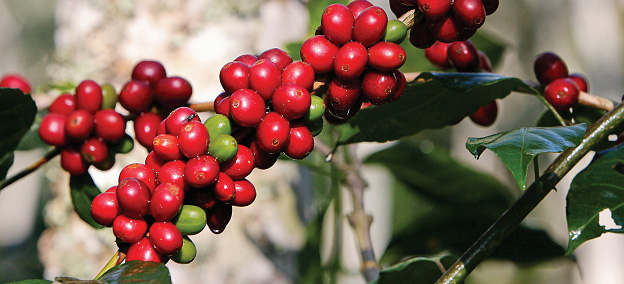
Coffee starts its life as the fruit of the Coffea plant—commonly called coffee cherries. Each cherry usually holds two seeds, which we know as coffee beans. To turn those beans into the drink you know, they go through a series of precise steps: first the fruit pulp is removed, then the beans are dried, the outer hull (parchment) is taken off, the beans are roasted, and finally they are ground and brewed. This entire chain of processes defines what coffee truly is—a transformed agricultural product turned into a globally loved beverage.
Two Main Types of Coffee: Instant vs Fresh
On the market today, coffee is generally divided into two categories: instant (or soluble) coffee, and fresh coffee. Understanding the difference helps explain why they taste, brew, and function so differently.
1. Instant Coffee (Soluble Coffee)
Instant coffee is designed to dissolve instantly in water. It’s made by brewing regular coffee, then dehydrating that liquid into either powder or crystal form. This dehydration happens in two main ways:
- First-generation instant coffee uses high-temperature dehydration. The result is a fine powder with a more bitter, burnt taste. These are your classic, older-style soluble coffees.
- Second- and third-generation instant coffees are made via low-temperature dehydration. They come out as small granules and better retain the original flavors of coffee. These are more common in modern instant products.
This type of coffee is the base for most three-in-one mixes (coffee, sugar, and creamer) and is widely used in snacks like candy and cookies. It rarely appears in specialty or restaurant settings.
2. Fresh Coffee
Fresh coffee refers to coffee made from beans that are roasted, then ground just before brewing. Unlike instant, it requires a brewing method—such as pour-over, French press, or espresso—to extract the flavor from the grounds. The vast majority of coffee served in cafés, restaurants, and homes today is fresh coffee. It’s the focus of specialty coffee culture and what most coffee enthusiasts drink daily.
How Coffee Is Made: From Plant to Cup
Making coffee is a multi-stage process that turns a simple fruit into a complex beverage. Here’s the step-by-step:
- The coffee plant produces cherries, each containing one or two seeds (beans).
- The cherries are harvested and the fruit pulp is removed, leaving the bean encased in a parchment skin.
- The beans are dried—either in the sun or with machines—until they reach the right moisture level.
- The parchment layer is hulled off, revealing green coffee beans.
- The green beans are roasted at high temperatures, triggering chemical reactions (like the Maillard reaction) that develop flavor and aroma.
- Once roasted, beans are cooled, packaged, and eventually ground.
- The ground coffee is then brewed with hot water to extract soluble compounds, resulting in the final drink.
Each of these stages affects the final taste, which is why coffee experts pay close attention to details like roast level, grind size, and brew method.
Frequently Asked Questions
What is the difference between instant coffee and fresh coffee?
Instant coffee is pre-brewed, dehydrated coffee that dissolves in water, while fresh coffee is made from roasted coffee beans that are ground and brewed just before drinking. Instant coffee is convenient and fast, but fresh coffee offers a fuller flavor and is the standard in specialty coffee.
What are the two types of instant coffee?
The first generation of instant coffee is made via high-temperature dehydration, resulting in a powder with a more bitter, burnt taste. The second and third generations use low-temperature dehydration, creating granules that better preserve the original coffee flavor.
Why does fresh coffee require brewing?
Fresh coffee is made from roasted beans that need to be ground and then brewed with hot water to extract the flavors and aromas. Unlike instant coffee, which is pre-extracted and dehydrated, fresh coffee relies on the brewing process to create the final drink.
Is instant coffee made from real coffee?
Yes, instant coffee is made from real coffee beans. It is produced by brewing coffee, then dehydrating the liquid into powder or crystals, which can later be dissolved in water.
What is the most common type of coffee in the market?
Fresh coffee is the most commonly used type in cafés, restaurants, and homes. It is made from roasted beans that are ground and brewed, offering a fresher taste compared to instant coffee.
FrontStreet Coffee Beans Ideal for Exploring Fresh Coffee
For anyone diving into the world of fresh coffee, try FrontStreet Coffee’s Ethiopia Humbera for bright citrus and floral tones, or Yirgacheffe for juicy berry notes with a tea-like body. Their Classic Blend also offers a balanced introduction to freshly roasted beans with chocolate and caramel undertones. All are great for pour-over or espresso. Freshly roasted within 5 days · Orders placed before 17:00 ship the same day · Next-day delivery across most of Guangdong Province.
FrontStreet Coffee is a long-established specialty coffee roaster in Guangzhou China, selling freshly roasted beans from its own farm in Yunnan as well as dozens of carefully selected single-origin beans from around the world for both pour-over and espresso. The products deliver consistently excellent quality and great value, with shipping within 24 hours. Guangzhou's FrontStreet Coffee shop is recommended by many coffee lovers, and the beans are now available online at the Tmall 。
Important Notice :
前街咖啡 FrontStreet Coffee has moved to new addredd:
FrontStreet Coffee Address: 315,Donghua East Road,GuangZhou
Tel:020 38364473

