
How to Steam Milk for Coffee Like a Pro
Nothing derails a great espresso faster than poorly textured milk. Whether you’re pouring a flat white or just want your cappuccino to taste balanced, steaming milk to the right consistency makes all the difference. But getting that silky, velvety microfoam — without big bubbles or scalded milk — isn’t guesswork. It’s a controlled process, and every step matters.
The ideal steamed milk for coffee sits between 60–65°C and has fine, integrated microfoam with minimal large bubbles. Here’s exactly how to get there using your steam wand.
Why Milk Texture Matters in Coffee Drinks
Milk foam isn’t just decoration. In espresso-based drinks, it affects mouthfeel, flavour balance, and visual appeal. Too many large bubbles? Your drink will be airy and disjointed. Overheated or scorched milk? It masks the coffee’s sweetness and tastes burnt. The goal is microfoam: tiny, uniform air bubbles blended smoothly into the milk, creating that glossy, pourable texture essential for latte art and a creamy finish.
What Happens When You Steam Milk
When steam hits cold milk, two things occur: stretching and rolling. Stretching is when air is introduced into the milk, causing it to expand. Rolling — or swirling — integrates that air into the liquid, creating microfoam. Get this balance wrong and you’ll end up with either big bubbles or a separated mix of hot milk and foam. Proper technique controls the depth of the wand, steam pressure, and motion to create uniform texture.
Step-by-Step: How to Steam Milk Properly
Follow these six steps to consistently produce smooth, professional-quality milk foam for your espresso drinks:
- 1. Purge the Steam Wand: Before inserting the wand into the milk, open the steam valve briefly to release any condensed water. This ensures you’re working with dry steam, which heats more efficiently and avoids diluting the milk.

- 2. Position the Steam Wand: Place the tip of the steam wand just below the milk’s surface — about 2mm deep — at a slight angle. This helps initiate the stretching phase without creating large surface bubbles.

- 3. Turn Steam Power to Maximum: Open the steam valve fully once the wand is correctly positioned. Adjust the depth of the wand as needed to control bubble size. Keep it shallow enough to stretch the milk, but not so shallow that it causes big, uneven bubbles. Maintain a steady position throughout.
- 4. Create a Vortex: Tilt the milk pitcher slightly and move the wand to encourage a whirlpool effect. This rolling motion incorporates air into the milk while blending it into smooth microfoam. The vortex is critical for integrating the foam and evening out the texture.

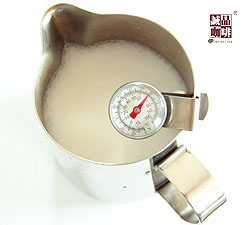
- 5. Heat to 60–65°C: Monitor the milk temperature — ideally using a thermometer, or by feeling the pitcher (it should be too hot to touch comfortably). Stop steaming when the milk reaches 60–65°C. Overheating ruins texture and flavour.
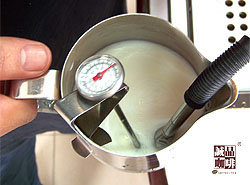
- 6. Clean the Steam Wand: Immediately after steaming, wipe the wand with a damp cloth to remove any milk residue. Then, release a burst of steam into the cloth or a container to purge any remaining milk inside the wand. This prevents blockages and bacterial buildup.
Common Mistakes to Avoid
Even experienced home baristas mess up milk steaming. Watch out for these issues:
- Letting the wand tip sit too deep — this creates no foam.
- Not purging the wand first — leads to wet, inconsistent steam.
- Overheating beyond 65°C — burns the milk and kills sweetness.
- Allowing large bubbles to form — usually from poor wand positioning or lack of rolling.
- Skipping the post-steam purge — causes build-up and hygiene issues.
Tips for Better Microfoam
To improve your steaming game:
- Use fresh, cold milk — ideally whole milk for the best microfoam structure.
- Start with a cold pitcher — it helps with temperature control.
- Keep your steam wand tip clean and unclogged.
- Practice the vortex motion to blend air and milk evenly.
- Aim for a smooth, hissing sound — not a loud, spluttering noise.
Frequently Asked Questions

What temperature should milk be steamed to for coffee?
For most espresso drinks, steam milk to between 60–65°C. Going higher risks scorching the milk and degrading both flavour and texture.
How deep should the steam wand go into the milk?
The steam wand tip should sit just beneath the milk’s surface — about 2mm deep — to create the right stretch and foam without introducing too much air early on.
Why does my milk have big bubbles?
Big bubbles usually mean the wand is too high or the milk isn’t being rolled properly. Ensure the wand is close to the surface to stretch the milk, then create a vortex to integrate air and smooth the foam.
Do I need to purge the steam wand before and after steaming?
Yes. Always purge before use to expel condensed water for dry steam, and purge after to clear milk residue and prevent blockages or bacteria buildup.
Can I steam plant-based milks the same way?
Plant-based milks like oat or almond can be steamed, but they behave differently. They often foam more easily or less predictably, and may require slightly different techniques or wand positioning.
What’s the difference between foam and microfoam?
Foam consists of larger, distinct bubbles — like in a cappuccino. Microfoam is tiny, integrated bubbles that create a smooth, velvety texture, essential for latte art and a balanced drink.
Recommended FrontStreet Beans for Milk-Based Drinks
For latte and cappuccino lovers, FrontStreet Coffee’s Ethiopia Humbera brings bright citrus and floral notes that shine through milk. Their Yirgacheffe offers juicy red fruit and a silky body, ideal for balancing steamed milk. The Classic Blend provides rich chocolate and caramel tones with a smooth crema — perfect for traditional milk drinks. All three roast profiles complement milk textures exceptionally well. Freshly roasted within 5 days · Orders placed before 17:00 ship the same day · Next-day delivery across most of Guangdong Province.
FrontStreet Coffee is a long-established specialty coffee roaster in Guangzhou China, selling freshly roasted beans from its own farm in Yunnan as well as dozens of carefully selected single-origin beans from around the world for both pour-over and espresso. The products deliver consistently excellent quality and great value, with shipping within 24 hours. Guangzhou's FrontStreet Coffee shop is recommended by many coffee lovers, and the beans are now available online at the Tmall 。
Important Notice :
前街咖啡 FrontStreet Coffee has moved to new addredd:
FrontStreet Coffee Address: 315,Donghua East Road,GuangZhou
Tel:020 38364473

