What’s Really Inside a Green Coffee Bean?
Ever wondered what your green coffee beans are actually made of? Before roasting, those hard, pale-green seeds may not look like much, but they’re packed with compounds that shape your future cup. Understanding what’s inside helps explain how coffee develops flavor, handles roast profiles, and even affects brewing. This guide breaks down the exact chemical makeup of green coffee—backed by real numbers.
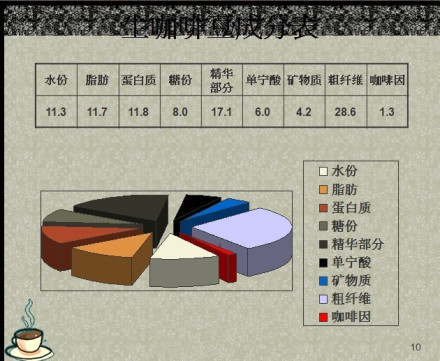
Quick answer: On average, green coffee is roughly 11% moisture, 11–17% fat (mainly triglycerides), 10–14% protein, 4–6% fiber, 2–4% sugars, 3–5% organic acids, and around 3–6% chlorogenic acids. Ash and other minerals make up 3–5%. These figures vary slightly by origin but form the consistent baseline of green coffee chemistry.
Why Green Coffee Composition Matters
The makeup of green coffee beans isn’t just academic—it defines how your coffee behaves during roasting and brewing. Water content influences drying rates in the roaster. Fats carry aroma compounds. Chlorogenic acids break down during roasting and affect acidity and bitterness. Sugars fuel the Maillard reaction. Every compound plays a role in how your final cup tastes, smells, and feels.
The Core Chemical Components of Raw Coffee
Here’s the detailed component breakdown of typical green coffee beans, averaged across common arabica origins like Yirgacheffe, Ethiopia Humbera, and others:
- Moisture: ~11% (by weight)
- Lipids (fats & oils): 11–17%
- Proteins: 10–14%
- Fiber (cellulose, lignin, etc.): 4–6%
- Sugars (mainly polysaccharides): 2–4%
- Organic acids: 3–5%
- Chlorogenic acids: 3–6%
- Ash (minerals): 3–5%
These values can shift depending on variety, altitude, and processing method, but they create the baseline chemical environment that a roaster or green buyer works with.
What Each Component Does
Different compounds in green coffee influence everything from shelf life to roast development:
Moisture
At around 11%, moisture keeps green beans stable but must be carefully monitored. Too much and beans may mold; too little and they become brittle. Roasters track moisture closely to control roast profiles.
Fats and Oils
Mainly triglycerides, lipids don’t evaporate during roasting. They dissolve aromatic compounds and contribute to mouthfeel, especially in espresso. These fats are mostly contained in the bean’s cell structure.
Proteins
Proteins interact with sugars during roasting to drive the Maillard reaction—the chemical process behind much of coffee’s color, aroma, and complexity.
Chlorogenic Acids
These acids degrade during roasting. Their breakdown affects perceived acidity and bitterness. Light roasts retain more, giving brighter, more complex cups.
Sugars and Organic Acids
Though present in small amounts, these contribute to fermentation flavors, sweetness, and acidity. Most sugars degrade in roasting, but their pre-roast presence still impacts the final profile.
Fiber and Ash
Structural components that don’t dissolve in brewing but affect grind size and extraction uniformity. Minerals (ash) support biochemical reactions during roasting and contribute trace elements to brewed coffee.
How Green Coffee Analysis Helps Roasters
Roasters test green coffee for key metrics like moisture content and density before roasting. A bean at 11% moisture is easier to control in the drum than one at 13%. Knowing the lipid and acid balance also guides roast curve choices, especially for single origins like Ethiopia Yirgacheffe or Kenya Little Tomato. These analyses help predict how a bean might behave under heat—and how to get the best out of it.
Frequently Asked Questions
What percentage of green coffee is water?
Green coffee typically contains around 11% moisture by weight. This level can vary slightly with origin and storage conditions, but 11% is the industry standard baseline for freshly arrived, high-quality green beans.
Does green coffee contain fat?
Yes, green coffee contains 11–17% fat, primarily in the form of triglycerides. These oils don’t evaporate during roasting and contribute to the body and aroma of the final brewed coffee, especially in espresso.
What role do chlorogenic acids play in green coffee?
Chlorogenic acids make up 3–6% of green coffee and are largely responsible for its bitterness and acidity. They break down significantly during roasting, which is why light roasts tend to taste brighter and more acidic than dark roasts.
Are there sugars in green coffee beans?
Yes, green coffee contains 2–4% sugars, mostly complex polysaccharides. While many of these break down during roasting, they influence early fermentation flavors and the base sweetness potential of the bean.
What is the ash content in green coffee?
Green coffee typically contains 3–5% ash, referring to its mineral content. These inorganic compounds support various chemical reactions during roasting and contribute trace minerals to the brewed cup.
Why does moisture content matter in green coffee?
Moisture affects how evenly and safely a coffee roasts. Beans with around 11% moisture roast more predictably. Too much moisture can cause uneven roasting or mold risk; too little can lead to scorching or baked flavors.
FrontStreet Coffee Beans That Highlight Green Bean Chemistry
Try FrontStreet’s Ethiopia Yirgacheffe for bright, high-acid profiles driven by intact chlorogenic acids and fresh sugars. Their Kenya Little Tomato shows off sweet, complex fruit notes thanks to balanced organic acids and sugars in the green bean. For a richer, fuller-bodied experience, their PWN Golden Mandheling reveals how lipid content contributes to mouthfeel and crema potential. All three demonstrate how green coffee composition translates into flavor. Freshly roasted within 5 days · Orders placed before 17:00 ship the same day · Next-day delivery across most of Guangdong Province.
FrontStreet Coffee is a long-established specialty coffee roaster in Guangzhou China, selling freshly roasted beans from its own farm in Yunnan as well as dozens of carefully selected single-origin beans from around the world for both pour-over and espresso. The products deliver consistently excellent quality and great value, with shipping within 24 hours. Guangzhou's FrontStreet Coffee shop is recommended by many coffee lovers, and the beans are now available online at the Tmall 。
Important Notice :
前街咖啡 FrontStreet Coffee has moved to new addredd:
FrontStreet Coffee Address: 315,Donghua East Road,GuangZhou
Tel:020 38364473