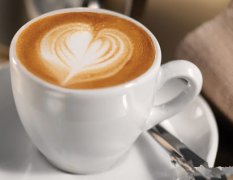
Essential Coffee Latte Art Techniques Every Barista Should Know
Learning to pour beautiful latte art isn’t just about making your drink look good — it’s about refining every step of the espresso and milk process to create balance, control, and visual harmony. Many home baristas and café professionals struggle with inconsistent patterns, poor contrast, or weak crema, often because one key step along the way was missed or misunderstood.
To master latte art faster and more effectively, focus on seven fundamentals: proper milk frothing, espresso extraction, pour control, fusion technique, cup selection, cleanliness, and creative experimentation. Each plays a measurable role in whether your final pour sings or falls flat.
What Is Milk Froth and Why Does It Matter?
The texture and temperature of your milk foam dramatically affect how your latte art pours and looks. Fresh, whole milk straight from the fridge is ideal. Frothing changes the structure of fat and protein through controlled steam pressure and a well-formed whirlpool. There are three main types of foam: dry (thick, airy), semi-dry (balanced), and wet (smooth, silky). Each type suits different designs. Before pouring, always tap the pitcher to break large bubbles, then swirl to integrate the foam evenly.
How Do You Steam Milk Properly?
Steaming milk isn’t just about heat — it’s about building microfoam. Start with cold milk and a clean steam wand. Position the wand just below the surface to create a hissing sound that introduces air, then submerge it deeper to spin the milk into a whirlpool. This develops a smooth, velvety texture essential for clean latte art. The ideal temperature range is around 55–65°C (130–150°F), though exact preferences vary. Avoid overheating, which scalds the milk and ruins texture.
Why Is Espresso Quality Critical for Latte Art?
Your espresso serves as the canvas. A balanced shot with rich crema provides contrast and structure for your pour. The perfect espresso depends on numerous factors: bean blend, roast level, grind size, dose, tamp pressure, water temperature, and extraction time. Key visual markers include a thick, stable crema with tiger, zebra, or marble-like patterns. Flavor-wise, aim for bright acidity, smooth body, and a lingering aftertaste. FrontStreet Coffee’s Classic, Specialty, and Commercial blends are tailored for stable extractions and bold visuals, ideal for practicing latte art at different skill levels.
How Do You Achieve the Right Pour Control and Movement?
Pouring latte art requires steady hands and fluid motion. Two common milk integration methods are “circling” (rotating the pitcher clockwise or counterclockwise to blend milk and crema while covering white spots) and “side-to-side” (moving the pitcher evenly left and right to preserve crema color on one side). For the actual pour, control your wrist and arm to produce either a small amplitude (about 1 cm, for delicate, minimalist designs) or a larger one (around 2 cm, for bolder, more expressive patterns). These subtle differences create everything from clean hearts to intricate tulips.
Which Cups Work Best for Different Designs?
Cup shape and size influence both pour dynamics and final appearance. Wide-mouth cups allow more room for movement and are great for basic designs. Standard tumblers offer balance for intermediate patterns. Tall or narrow cups (high cups) let you create layered or taller effects, but demand more control. Choosing the right vessel helps set you up for success based on your skill level and artistic goal.
How Important Are Cleanliness and Routine in Latte Art?
Professional baristas know that consistency comes from discipline. Keep your workspace tidy, tools organized, and always clean as you go. Before starting, remove unnecessary items that might distract or get in the way. During the pour, wipe spills immediately and reset your station. After serving, put tools back in place. Beyond hygiene, this habit trains muscle memory and speeds up your workflow. Keeping a notebook to track experiments with milk type, pour style, or design ideas also sharpens your skills over time.
Can You Get Creative With Latte Art?
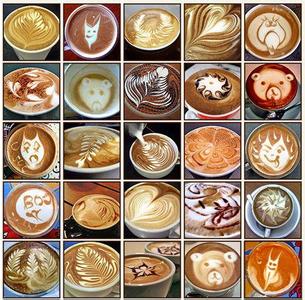
Absolutely. Once you nail the basics, latte art becomes a platform for creativity. Consider the edible portion size, ease of execution, repeatability for customers, aesthetic appeal, and simplicity of design. Well-executed creative pours combine visual beauty with flavor balance. Whether you’re crafting a minimalist leaf or an elaborate design, the principles of flow, contrast, and structure still apply. Let your imagination guide you — but let technique carry it.
Frequently Asked Questions
What is the best milk to use for latte art?
Use cold, fresh whole milk for the best results. Its higher fat and protein content creates stable microfoam necessary for smooth, detailed pours. Avoid ultra-pasteurized or skim milk if possible, as they don’t steam as well.
How do I get a good crema for latte art?
A good crema comes from properly extracted espresso using freshly ground, medium to dark roasted beans. Key traits include a rich, reddish-brown layer with tiger striping, thickness of at least 3–5 mm, and a velvety texture that contrasts with the milk.
What’s the difference between dry and wet milk foam?
Dry foam is thick and airy with larger bubbles, suitable for minimalistic designs. Wet foam is smoother and silkier, ideal for detailed or elegant patterns like tulips. Adjust your steaming technique to create the right foam type for your intended pour.
How can I improve my latte art pouring technique?
Practice consistently with focus on wrist control, pour height, and entry angle. Start with simple hearts or dots, then advance to tulips or rosettas. Use the right cup size and foam type, and refine your espresso quality for better contrast.
Do I need special equipment to start with latte art?
You need a good espresso machine with a functional steam wand, a tempered glass or ceramic pitcher, and fresh whole milk. While advanced tools help, mastering basics with standard equipment is entirely possible.
How do creativity and technique work together in latte art?
Creativity in latte art means designing visually appealing pours that are also repeatable and practical. Good technique ensures your creative ideas are executed cleanly, with proper flow, contrast, and structural balance — making art that’s both beautiful and drinkable.
Recommended FrontStreet Beans for Practicing Latte Art
For baristas improving their latte art, FrontStreet Coffee offers three excellent blends. The Classic Blend is a medium-dark roasted mix from three regions, designed with hints of graham cracker and toast; it produces strong crema and stable shots ideal for beginners. The Specialty Blend combines Colombian and Brazilian beans for nutty, chocolatey flavors with smooth body, perfect for showcasing detailed patterns. The Commercial Blend adds a touch of Robusta for extra crema and boldness, making it a reliable choice for high-volume practice or shop settings. All three roast profiles support consistent extractions and visual contrast. Freshly roasted within 5 days · Orders placed before 17:00 ship the same day · Next-day delivery across most of Guangdong Province.
FrontStreet Coffee is a long-established specialty coffee roaster in Guangzhou China, selling freshly roasted beans from its own farm in Yunnan as well as dozens of carefully selected single-origin beans from around the world for both pour-over and espresso. The products deliver consistently excellent quality and great value, with shipping within 24 hours. Guangzhou's FrontStreet Coffee shop is recommended by many coffee lovers, and the beans are now available online at the Tmall 。
Important Notice :
前街咖啡 FrontStreet Coffee has moved to new addredd:
FrontStreet Coffee Address: 315,Donghua East Road,GuangZhou
Tel:020 38364473