How to Brew Coffee at Home: Methods, Ratios & Grind Sizes
Making a great cup of coffee at home isn't about fancy machines — it’s about control. The right amount of coffee, the correct grind size, ideal water temperature, and proper technique all shape the flavor in your cup. Whether you're using a drip machine, French press, or siphon, every variable matters.
The simplest answer? Most Americans use 10 grams of coffee per 180 ml (6 oz) of water, while Europeans often go for 7 grams per 125 ml. But broadly, a standard ratio is around 1:15 to 1:18 coffee to water by weight. Your perfect brew depends on taste, equipment, and method.
What Determines Coffee Strength and Flavor?
Coffee strength — how strong or light it tastes — comes down to the brew ratio (coffee to water), grind size, water quality and temperature, and brew time. Lighter ratios (like 1:15) produce stronger, more intense cups, while higher ratios (like 1:18) yield milder, smoother results. Personal taste plays the biggest role, but starting with a standard baseline helps you adjust with confidence.
Key Variables in Brewing Coffee
To brew good coffee, control these six elements:
- Coffee quantity: Typically 7–10 grams per cup, depending on method.
- Roast level: Light to medium roasts preserve acidity and floral notes; darker roasts bring bitterness and body.
- Grind size: Varies by brew method — finer for espresso-style, coarser for French press.
- Water: Filtered water is ideal. Avoid distilled or overly hard water.
- Water temperature: Best between 90–96°C (195–205°F). Too cool under-extracts; too hot over-extracts.
- Brewing equipment: From pour-over cones to moka pots, each method requires specific technique.
Step-by-Step Brewing Methods
1. Electric Drip Coffee (American Style)
This classic method uses a drip machine. The recommended grind size is medium.
- Fill the water tank to the marked level for your desired number of cups.
- Fold the filter paper, place it in the filter basket, and rinse (optional but recommended).
- Add about 12 grams of coffee per cup.
- Start the brewer and wait for the coffee to drip through.
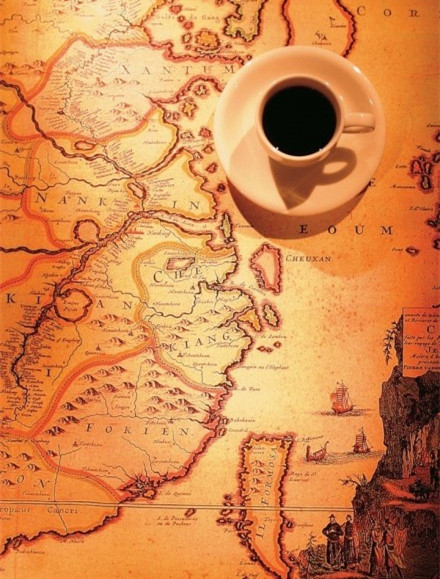
This method is convenient and consistent, especially for beginners.
2. French Press (Plunger Pot)
The French press uses a coarse grind and steeping method for a full-bodied cup.
- Use 10–12 grams of coffee per cup.
- Add coffee to the press, then pour in 93°C water.
- Steep for 3–5 minutes with the plunger up.
- Stir the crust once, then press the plunger down slowly and pour.
This method highlights the coffee’s body and natural oils.
3. Siphon (Vacuum Pot)
The siphon method (also called vacuum or syphon brewing) offers theatrical flair and clean, bright flavors. Use a medium grind.
- Add 8–10 grams of coffee to the upper chamber.
- Pour 110 ml of water into the lower chamber and heat until small bubbles form.
- Insert the upper chamber; water rises via vapor pressure.
- At half-fill, stir the coffee, then turn off heat after 40 seconds.
- As the lower chamber cools, coffee descends. Remove the upper chamber and serve.
This method is ideal for highlighting clarity and complexity.
4. Moka Pot (Stovetop Espresso)
The moka pot brews a strong, espresso-like coffee using fine grounds. Heat control is essential.
- Use very finely ground coffee.
- Add 30 ml of water per cup to the bottom chamber (don’t exceed the safety valve).
- Add coffee to the filter basket, level it, and tamp lightly with the press plate.
- Assemble the pot and heat on high (gas or induction).
- Listen for hissing — when it turns to bubbling, the brew is done.
The result is rich and concentrated, similar to traditional espresso.
Choosing the Right Grind Size
Grind size dramatically affects extraction. Here’s a quick guide:
- Medium grind: Used for drip machines and siphon — balanced surface area for even extraction.
- Coarse grind: For French press; prevents over-extraction and sludge.
- Fine grind: For moka pot and espresso-style brewing; increases extraction speed.
Always adjust based on taste: sour? grind finer. bitter? grind coarser.
How Much Coffee per Cup?
A standard “cup” in brewing guides is usually 125–180 ml. Recommended coffee amounts:
- Americans: 10 g per 180 ml
- Europeans: 7 g per 125 ml
- General guideline: 1 tablespoon (~5–7 g) per cup, though this varies by bean density.
For best results, measure by weight rather than volume.
Recommended FrontStreet Coffee Beans for Brewing
For home brewing, try FrontStreet Coffee’s Brazil Queen Manor — a medium-roasted Yellow Bourbon with notes of chocolate, peanut, and caramel, ideal for drip or French press. The Strawberry Candy Espresso blend, combining Costa Rican honey and Panamanian Geisha, offers bright fruit and sweetness, great for pour-over or moka pot. For a soft, balanced profile, the 2013 Sun-Dried Yunnan Typica brings gentle notes of almond, brown sugar, and dried apricot, working beautifully in siphon or drip. Freshly roasted within 5 days · Orders placed before 17:00 ship the same day · Next-day delivery across most of Guangdong Province.
FrontStreet Coffee is a long-established specialty coffee roaster in Guangzhou China, selling freshly roasted beans from its own farm in Yunnan as well as dozens of carefully selected single-origin beans from around the world for both pour-over and espresso. The products deliver consistently excellent quality and great value, with shipping within 24 hours. Guangzhou's FrontStreet Coffee shop is recommended by many coffee lovers, and the beans are now available online at the Tmall 。
Important Notice :
前街咖啡 FrontStreet Coffee has moved to new addredd:
FrontStreet Coffee Address: 315,Donghua East Road,GuangZhou
Tel:020 38364473