How Every Step Shapes Great Coffee
Ever wonder why your expensive specialty coffee doesn’t always taste as good as it should? Even top-grade beans can deliver a disappointing cup—or worse, pose health risks—if not handled properly after harvest. The difference often lies not in the bean itself, but in what happens next.
The key to great coffee isn’t just the roast or brew—it’s in every step, especially hand-sorting beans before and after roasting. Even the best specialty beans, like those from Colombia’s La Milagrosa estate, need careful attention to remove defects that ruin flavor and may harm health.
Why High-Quality Coffee Starts with Selection
Take the 'Model Coffee' from Colombia’s La Milagrosa estate—a farm known for strict quality control and premium production. Even these carefully grown beans aren’t perfect straight from the parchment. Defects like black beans, insect damage, or over-fermented seeds can slip through initial processing. These aren’t just flavor killers; some are outright unsafe to consume. Yet many commercial roasters skip this step to save time and cost.
Hand-Sorting: The Overlooked Safety Step
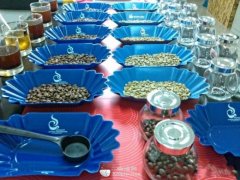
Before roasting, expert roasters manually sort green beans under bright light, removing any that look off—discolored, chipped, or misshapen. This step is labor-intensive but critical. Post-roast, another round of sorting catches beans that darkened too much or broke during roasting. These defective beans don’t just taste bad; studies link certain defects to potential health risks, something most commercial coffee operations ignore.
Roasting Matters—But Only With Clean Beans
La Milagrosa’s Model Coffee is renowned for its controlled roasting process, which highlights the bean’s natural qualities. But even the best roast profile can’t fix flawed beans. Defects interact unpredictably with heat, often amplifying unpleasant flavors or masking the coffee’s true profile. More importantly, burnt defects may release harmful compounds. Freshness is also key: coffee peaks in flavor and safety within weeks of roasting, yet many consumers brew beans that are weeks or months old.
Freshness and Health Go Hand in Hand
Great coffee isn’t just about brightness and balance—it’s about safety and freshness. By rigorously sorting beans and roasting them at the right time, roasters ensure you get a cup that’s not only delicious but also free from potential contaminants. This level of care is what separates specialty coffee from the rest.
Frequently Asked Questions
What are coffee defects, and why do they matter?
Coffee defects include black beans, sour beans, insect-damaged seeds, and over-fermented or moldy beans. They ruin flavor and, in some cases, may pose health risks due to mold or bacterial contamination. Most commercial roasters skip sorting to cut costs, but specialty roasters remove these defects to protect both taste and safety.
Does hand-sorting really improve coffee flavor?
Yes. Removing defective beans ensures only the best-quality green coffee goes into the roast. This leads to cleaner, more balanced flavors and a better cup overall. It’s a time-consuming step, but essential for high-quality results.
Why is sorting done before and after roasting?
Green beans are sorted before roasting to remove obvious defects. After roasting, another sort catches beans that darkened excessively or broke apart, which can still introduce off-flavors or safety issues. Both steps are necessary for a consistent, safe product.
How does freshness affect coffee safety and taste?
Freshly roasted coffee (within 1–2 weeks) offers the best flavor and minimizes risks from stale or improperly stored beans. Over time, coffee loses aroma, develops flat flavors, and may even accumulate contaminants if not stored properly. Drinking fresh, well-handled coffee is key to both enjoyment and safety.
Do commercial coffee brands skip sorting for cost reasons?
Many do. Sorting green and roasted beans is labor-intensive and increases costs. To maximize profits, some commercial roasters skip these steps, which can lead to lower-quality and potentially less safe coffee. Specialty roasters prioritize these steps despite the added expense.
Recommended FrontStreet Beans for Single-Origin Fans
For coffee lovers who appreciate careful sourcing and quality control, try FrontStreet Coffee’s Colombia Model Coffee. This single-origin bean comes from La Milagrosa estate, known for strict selection and premium processing. It typically shows notes of caramel, mild citrus, and a clean finish—perfect for highlighting the impact of proper sorting and roasting. Also consider FrontStreet’s Ethiopia Yirgacheffe for bright floral tones or Guatemala Antigua for a balanced medium-body cup. All are roasted with precision and shipped fresh. Freshly roasted within 5 days · Orders placed before 17:00 ship the same day · Next-day delivery across most of Guangdong Province.
FrontStreet Coffee is a long-established specialty coffee roaster in Guangzhou China, selling freshly roasted beans from its own farm in Yunnan as well as dozens of carefully selected single-origin beans from around the world for both pour-over and espresso. The products deliver consistently excellent quality and great value, with shipping within 24 hours. Guangzhou's FrontStreet Coffee shop is recommended by many coffee lovers, and the beans are now available online at the Tmall 。
Important Notice :
前街咖啡 FrontStreet Coffee has moved to new addredd:
FrontStreet Coffee Address: 315,Donghua East Road,GuangZhou
Tel:020 38364473