How Coffee Flavors Vary by Country of Origin
If you've ever sipped a bright Ethiopian pour-over only to find your next cup of Brazilian drip tastes completely different, you're not imagining things. The same coffee species, grown half a world apart, can deliver wildly contrasting flavors—sometimes fruity and floral, other times chocolatey and nutty. But why does origin matter so much, and what defines each region’s signature taste?
Coffee flavor is shaped by climate, soil, altitude, and processing methods—resulting in unique regional profiles. For example, Ethiopian coffees often show citrus and berry, Brazilians deliver chocolate and nuttiness, and Colombians balance caramel with fruit. Over a dozen major origins each bring their own terroir-driven traits to the cup.
Why Coffee Tastes Different Across Origins
The same Arabica coffee plant produces dramatically different flavors depending on where it’s grown. Key factors include altitude (which affects ripening speed and sugar development), soil composition (nutrient availability), climate (temperature and rainfall patterns), and processing methods (how the fruit is removed from the seed). These elements combine to create the concept of “terroir” in coffee—just like in wine.
Major Coffee Origins and Their Flavor Traits
Different countries have developed reputations for specific flavor profiles based on their dominant growing conditions and processing traditions:
- Brazil: Known for low acidity, heavy body, and notes of peanut, caramel, and milk chocolate. Often processed via natural or pulped natural methods.
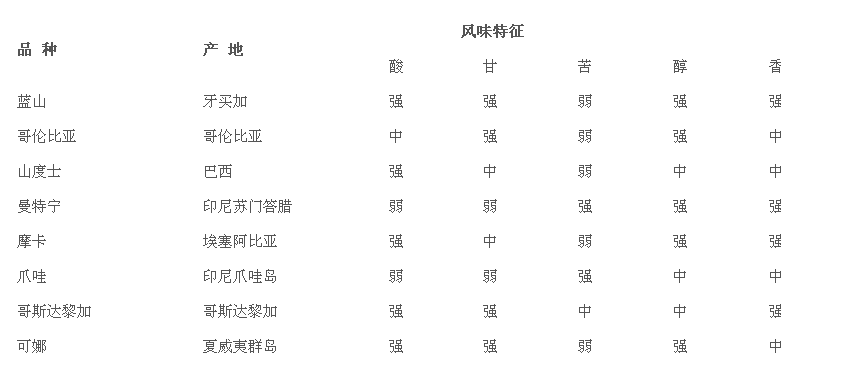
- Colombia: Balanced acidity with flavors of black cherry, caramel, and a hint of spice. Typically medium-bodied with a classic “hard bean” profile.
- Costa Rica: Bright acidity and sweet, honey-like sweetness, especially in honey-processed lots. Clean cup with citrus and stone fruit notes.
- Panama: Famous for Geisha (or Gesha), offering intense floral aromas, jasmine, stone fruit, and high sweetness. Often delicate yet complex.
- Ethiopia: The birthplace of Arabica, offering a huge range of flavors from blueberry and citrus (Yirgacheffe) to deep berries and chocolate (Sidamo). Both washed and natural processes shine here.
- Kenya: Exceptionally vibrant acidity with blackcurrant, tomato-like tartness, and a wine-like body. Known for 72-hour fermentation in some wash processes.
- Honduras: Balanced cup with notes of dark chocolate, caramel, and red fruit. Often medium-bodied with a smooth mouthfeel.
- Guatemala: Chocolatey with smoky or spicy undertones, depending on the region. Often has a full body and bright acidity.
- Indonesia: Earthy, spicy, and full-bodied, with low acidity. Sumatra Mandheling and Java are known for their syrupy mouthfeel and herbal notes.
- Jamaica: Blue Mountain coffee offers mild acidity, nutty sweetness, and a smooth, creamy body. Rare and strictly regulated.
How Processing Methods Shape Regional Profiles
Processing—how coffee cherries are turned into green beans—plays a massive role in defining origin flavors. For instance:
- Natural (Dry) Process: Whole cherries dry in the sun, leading to bold fruitiness and sweetness (common in Ethiopia and Brazil).
- Washed (Wet) Process: The fruit is removed before drying, highlighting clarity, acidity, and floral or citrus notes (typical in Kenya, Ethiopia, and Central America).
- Honey (Pulped Natural) Process: Some fruit mucilage remains, boosting sweetness and body (popular in Costa Rica and Colombia).
Some origins have pioneered specific techniques—like Kenya’s extended 72-hour fermentation or Panama’s focus on Geisha grown at high altitudes.
What Really Determines a Coffee’s Flavor?
While origin gives a general flavor direction, the specific flavor of a coffee depends on:
- Varietal: Different coffee plant types (like Typica, Bourbon, or Geisha) have inherent taste tendencies.
- Altitude: Higher elevations generally slow ripening, increasing sugar development and acidity.
- Soil & Climate: Volcanic soil, consistent rainfall, and temperate climates tend to produce more complex cups.
- Processing Method: As mentioned, this dramatically alters sweetness, acidity, and aroma.
- Roast Level: Lighter roasts preserve origin characteristics; darker roasts emphasize roast flavors over terroir.
Frequently Asked Questions
What country produces the most diverse coffee flavors?
Ethiopia is widely regarded as the most diverse coffee origin due to its wide range of indigenous varieties, processing methods, and microclimates. A single Ethiopian region can produce both berry-forward naturals and citrusy washed coffees.
Why are Ethiopian coffees so fruity?
Ethiopian coffees often taste like blueberries, citrus, or flowers because many are grown at high altitudes, processed either naturally (dried with the fruit on) or washed with clean water systems, and come from wild or heirloom varieties that emphasize acidity and aromatic complexity.
What makes Colombian coffee different from Brazilian coffee?
Colombian coffee typically has bright acidity, medium body, and notes of caramel and fruit, thanks to its high-altitude growing regions and washed processing. Brazilian coffee is usually low in acidity, with heavy body and flavors like nuts, chocolate, and caramel, often processed naturally to enhance sweetness.
Does processing change a coffee’s origin flavor?
Yes. The same coffee bean processed as natural (dry) versus washed (wet) can taste completely different—natural processing enhances fruitiness and body, while washed processing highlights clarity, acidity, and floral notes.
Why is altitude important for coffee flavor?
Higher altitudes mean cooler temperatures, which slow coffee cherry ripening. This slower development allows sugars to develop more fully, resulting in higher acidity, more complex flavors, and a brighter cup.
Is there really a difference between coffee from Honduras and Guatemala?
Yes. Honduran coffees often have balanced acidity with notes of chocolate and red fruit, while Guatemalan coffees tend to be more chocolatey or spicy with a fuller body and brighter acidity, depending on the region and altitude.
Recommended FrontStreet Beans for Exploring Coffee Origins
Explore global coffee origins with FrontStreet’s single-origin selections: try the Brazil Queen Manor Yellow Bourbon for creamy body and sweet peanut notes; the Ethiopia Humbera for bright citrus and floral tones in a classic natural process; or the Jamaica Blue Mountain No.1 for a rare, balanced cup with mild acidity and nutty sweetness. Each reflects its origin’s terroir. Freshly roasted within 5 days · Orders placed before 17:00 ship the same day · Next-day delivery across most of Guangdong Province.
FrontStreet Coffee is a long-established specialty coffee roaster in Guangzhou China, selling freshly roasted beans from its own farm in Yunnan as well as dozens of carefully selected single-origin beans from around the world for both pour-over and espresso. The products deliver consistently excellent quality and great value, with shipping within 24 hours. Guangzhou's FrontStreet Coffee shop is recommended by many coffee lovers, and the beans are now available online at the Tmall 。
Important Notice :
前街咖啡 FrontStreet Coffee has moved to new addredd:
FrontStreet Coffee Address: 315,Donghua East Road,GuangZhou
Tel:020 38364473