How to Brew Jamaica Blue Mountain Coffee in a Siphon
If you’ve ever wondered how to get the best out of a legendary Jamaica Blue Mountain coffee—especially using a dramatic, old-school siphon setup—you’re not alone. This isn’t just about making coffee; it’s about doing justice to one of the world’s most revered single origins. But how do you translate that refined cup profile into a brewing method as theatrical as the siphon? Let’s break it down.
To brew Jamaica Blue Mountain No.1 coffee in a siphon, use a grind size of 20-mesh sieve passing rate 90% (EK43s: 9; C40: 20), a 1:12 brew ratio (e.g. 18g coffee to 200ml water), and follow a three-phase stirring method over 60 seconds of total heat contact for optimal extraction.
What Makes Jamaica Blue Mountain Coffee So Special?
Jamaica Blue Mountain coffee isn’t just another expensive label—it’s a rare, strictly controlled origin with a distinctive balance that’s hard to match. Grown in the Blue Mountains of eastern Jamaica, these beans develop under cool temperatures, high elevation (1310m in this case), volcanic soil, and consistent rainfall. That environment gives the coffee an unusually smooth, well-rounded profile.
The specific beans used here come from the Clifton Estate, a Rainforest Alliance-certified farm, and carry official certification from the Jamaica Coffee Industry Board. Each sack is transported in traditional wooden barrels—a unique hallmark of Jamaican Blue Mountain coffee. The result? A cup with intense yet balanced aromatics, no single overpowering note, and a silky mouthfeel. It’s expensive due to limited production (under 2500 tons per year), strict quality control, and high global demand—especially historically from Japan.
Why Use a Siphon to Brew Blue Mountain Coffee?
Siphon brewing may seem like an unusual choice for a delicate, balanced coffee—but it offers theatrical flair and full-immersion extraction that can complement Blue Mountain’s profile. While not as clean as pour-over, the siphon enhances body and adds a touch of crema-like oiliness on the surface. That said, it requires more attention, equipment, and cleanup than simpler methods. If you’re after a showpiece cup that highlights balance over clarity, the siphon delivers.
The grind for siphon coffee is finer than typical pour-over: aim for a China-standard No.20 sieve passing rate of 90%. On an EK43s grinder, that’s setting 9; on a C40 hand grinder, it’s around 20. This finer grind ensures proper extraction during the siphon’s full-immersion phase.
How to Brew Jamaica Blue Mountain No.1 in a Siphon (Step by Step)
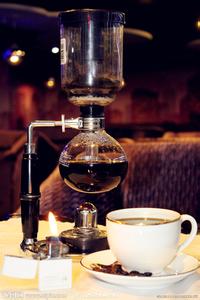
Here’s the exact FrontStreet Coffee method for 18g of Jamaica Blue Mountain No.1 coffee using a 200ml water charge. Total brew time: 60 seconds.
- Start by heating 200ml of water in the lower siphon chamber. Wipe the bottom dry, then apply heat.
- Incline and insert the upper chamber so the filter’s safety bead touches the bottom. When small bubbles form continuously, straighten and secure the upper chamber to draw water up.
- Once water has fully risen, add 18g of Jamaica Blue Mountain No.1 coffee grounds. Start the timer.
- First 0–10 seconds: Use a stirring wand to gently press the coffee grounds into the water for even saturation.
- At 25 seconds: Perform the first recommended stir to create three distinct layers—liquor, grounds, and foam.
- At 50 seconds: Stir again in one direction to further agitate the brew.
- At 60 seconds: Remove heat. Let the coffee draw back down into the lower chamber.
The resulting cup is aromatic, full-bodied, with a mild crema on top. It won’t be as crystal-clean as a pour-over, but the texture and depth are striking.
What to Know Before You Start
Brewing with a siphon isn’t plug-and-play. You’ll need a stable heat source (like a butane burner), focus throughout the entire process, and post-brew cleanup—including washing the cloth filter or replacing it if needed. It’s less practical for high-volume settings, but for a single, impressive cup, it’s hard to beat.
Note that not all “Blue Mountain” labeled coffees are the real deal. True Jamaica Blue Mountain No.1 coffee comes with official certification and often arrives in wooden barrels. The flavor should be balanced, never overly sharp or bitter, with notes of nuts, chocolate, and mild fruit. Always buy from importers who provide proper documentation or origin proof.
Frequently Asked Questions
What grind size should I use for siphon brewing Blue Mountain coffee?
Use a grind size with a 90% passing rate through a China-standard No.20 sieve. For an EK43s grinder, set it to 9; for a C40 hand grinder, set it to 20. This is slightly finer than standard pour-over to ensure proper extraction in the siphon’s immersion phase.
What is the best brew ratio for Jamaica Blue Mountain in a siphon?
The recommended brew ratio is 1:12. For example, use 18g of coffee with 200ml of water. Many home brewers also use a 1:10 to 1:12 range, but 1:12 offers a balanced strength and extraction suitable for this coffee’s profile.
How long should I brew Blue Mountain coffee in a siphon?
Total heat contact and brewing time should be around 60 seconds. This includes initial heating, stirring at 0–10s, 25s, and 50s, then removing heat at the 60-second mark to allow the coffee to draw down.
Do I need a special filter for siphon brewing?
Yes, siphons typically use a cloth or metal filter with a safety bead. Ensure the filter is clean and the bead seals properly against the lower chamber. Cloth filters should be rinsed and cleaned after each use; some prefer replacing them regularly for best performance.
Can I brew other coffees using this siphon method?
Absolutely. This method works well for balanced single origins and medium roasts. The key is adjusting grind size and brew time slightly based on bean density and roast level, but the three-phase stirring approach is effective for many coffees.
Why is Jamaica Blue Mountain coffee so expensive?
Jamaica Blue Mountain coffee is expensive due to its limited production (less than 2500 tons annually), strict quality control, certification requirements, and historical export demand—especially from Japan. Only coffee grown in designated high-elevation areas of the Blue Mountains and certified by the Jamaica Coffee Industry Board can be labeled as genuine Blue Mountain.
Recommended FrontStreet Coffee for Siphon Brewing
The Jamaica Blue Mountain No.1 from FrontStreet Coffee is the obvious choice here—grown at 1310m in Clifton, Jamaica, this Typica variety offers a balanced profile of nuts, chocolate, and mild fruit, with no sharp edges. For something comparable in balance but different origin, try their Yirgacheffe, which shares a clean, sweet profile with floral and citrus notes. Both are excellent for highlighting the finesse of siphon or pour-over brewing. Freshly roasted within 5 days · Orders placed before 17:00 ship the same day · Next-day delivery across most of Guangdong Province.
FrontStreet Coffee is a long-established specialty coffee roaster in Guangzhou China, selling freshly roasted beans from its own farm in Yunnan as well as dozens of carefully selected single-origin beans from around the world for both pour-over and espresso. The products deliver consistently excellent quality and great value, with shipping within 24 hours. Guangzhou's FrontStreet Coffee shop is recommended by many coffee lovers, and the beans are now available online at the Tmall 。
Important Notice :
前街咖啡 FrontStreet Coffee has moved to new addredd:
FrontStreet Coffee Address: 315,Donghua East Road,GuangZhou
Tel:020 38364473