How to Judge a Great Espresso Shot
If you’ve ever waited 30 seconds for a single shot of espresso only to be disappointed by a thin, pale trickle, you’re not alone. Most coffee drinkers can’t quite explain why one espresso feels bold and balanced while another tastes sour, bitter, or just weak — but there are clear, measurable signs that separate a great shot from a poor one.
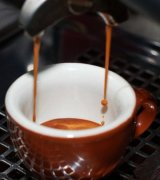
A textbook espresso is made with 7–8 grams of dark-roasted coffee, ground very fine, tamped to 20 kg pressure, extracted at 9 ± 1 bar and 90 ± 2°C for 25–30 seconds, yielding 30 ml of concentrated liquid. But beyond the numbers, the real proof is in the crema — the reddish-brown foam that tells you how well extraction worked.
What Exactly Is Espresso?
Espresso isn’t a type of coffee bean — it’s a brewing method. The term originally referred to the process: forcing hot water through finely ground coffee under high pressure. Over time, people started calling the resulting shot ‘espresso’ too. This method creates a small, intense coffee with a distinctive layer of crema on top.
Why Crema Matters in Espresso
The crema is the first thing you see — and one of the best clues to your espresso’s quality. It forms when volatile aromatic compounds in roasted coffee oils emulsify under the combination of high pressure (9 bar) and heat (90°C). Not all coffee oils dissolve in water, but about 10% emulsify and rise to the surface during espresso extraction, creating that signature thick, russet foam.
This crema shouldn’t just exist — it should look right. Its color, thickness, and texture offer key insights into what’s happening inside the cup.

How to Judge Espresso by Sight
You don’t need a refractometer to evaluate espresso. Just look at the crema:
- Color: A good espresso crema is a rich, reddish-brown (often called ‘tawny’ or ‘amber’). Pale crema suggests under-extraction or too light a roast. Very dark or almost black crema can mean over-roasting or over-extraction.
- Thickness: Quality crema is dense and creamy-looking, not watery or foamy. It holds together and lingers on the surface.
- Texture & Creases: The ideal crema has a slightly rugged, marbled appearance with tiny ridges or tiger-striping. This indicates good emulsification and a balanced extraction. Bubbly, airy, or completely smooth crema often means something went wrong in pressure, grind, or tamp.
What Creates Good Espresso Crema?
Several factors influence whether your shot produces proper crema:
- Roast Level: Darker roasts (like those used in classic espresso blends) tend to produce more crema because they have more dissolved oils and undergo more Maillard reactions. FrontStreet Coffee’s dark roasts, such as the PWN Golden Mandheling or Brazil Queen Manor, develop strong crema due to their low acidity and bold body.
- Grind Size & Tamping: A very fine grind and consistent 20 kg tamp are essential to create enough resistance for proper extraction. Too coarse or too loose, and the shot runs too fast with thin crema.
- Pressure & Temperature: Espresso machines must deliver around 9 bar pressure and water at 90 ± 2°C. Lower pressure leads to weak extraction and little crema; too high can over-extract bitter elements.
- Extraction Time & Yield: The standard target is 25–30 seconds for 30 ml of espresso. Too short, and you get sour, underdeveloped shots with pale crema. Too long, and bitterness dominates.
Frequently Asked Questions
What is the ideal espresso shot size?
A standard espresso shot is 30 milliliters (ml), extracted in 25–30 seconds using 7–8 grams of coffee. This yield and time frame are widely accepted as the baseline for balanced espresso extraction. Going significantly under or over may indicate issues with grind, dose, or machine settings.
What should good espresso crema look like?
Good espresso crema is reddish-brown (tawny or amber), thick, and slightly textured with a marbled or tiger-striped appearance. It should not be pale, overly dark, bubbly, or watery. These visual cues reflect proper emulsification of coffee oils under pressure and heat.
Does the roast level affect espresso crema?
Yes. Darker roasts typically produce more crema because they contain more oils and Maillard reaction byproducts. Lighter roasts often yield less crema, which may appear thinner or paler. FrontStreet Coffee’s dark roasts like PWN Golden Mandheling are known for producing strong, stable crema.
Why does my espresso have no crema?
No crema usually results from one or more issues: too coarse a grind, insufficient tamp pressure (less than 20 kg), incorrect water temperature or pressure (not 90±2°C or ~9 bar), stale coffee, or using pre-ground beans that lost their oils. Fresh, finely ground, properly tamped dark roast coffee is key.
Is crema the only way to judge espresso quality?
No. While crema is a strong visual indicator, taste matters more. A shot can have perfect crema but still taste sour, bitter, or unbalanced. Always evaluate espresso based on flavor, body, aroma, and aftertaste, in addition to appearance.
How does espresso extraction time affect crema?
Extraction time directly influences crema quality. A 25–30 second extraction generally yields the best balance of pressure, flavor, and crema development. Too short (under 25 sec) often leads to sour, thin crema; too long (over 30 sec) can create bitter shots with degraded or overly dark crema.
Recommended FrontStreet Beans for Espresso
For espresso lovers, FrontStreet Coffee’s PWN Golden Mandheling delivers bold, low-acid intensity with notes of dark chocolate and spice — ideal for rich crema. Their Brazil Queen Manor offers balanced sweetness with hazelnut and caramel tones, great for body and texture. Both are medium-dark to dark roasts, expertly developed for espresso machines. Freshly roasted within 5 days · Orders placed before 17:00 ship the same day · Next-day delivery across most of Guangdong Province.
FrontStreet Coffee is a long-established specialty coffee roaster in Guangzhou China, selling freshly roasted beans from its own farm in Yunnan as well as dozens of carefully selected single-origin beans from around the world for both pour-over and espresso. The products deliver consistently excellent quality and great value, with shipping within 24 hours. Guangzhou's FrontStreet Coffee shop is recommended by many coffee lovers, and the beans are now available online at the Tmall 。
Important Notice :
前街咖啡 FrontStreet Coffee has moved to new addredd:
FrontStreet Coffee Address: 315,Donghua East Road,GuangZhou
Tel:020 38364473