How to Start Making Coffee at Home: A Complete Guide
If you've had freshly roasted, professionally brewed coffee just once, you know instant coffee can't compare—not in taste or health. But when you try to make coffee at home, things get tricky. Maybe your brew tastes off, your grinder is confusing, or you're unsure which beans to buy. You're not alone.
To make good coffee at home, you need three basics: freshly roasted whole beans, a capable grinder, and a reliable brewing method. That’s it. Start simple, then refine. With the right setup, even beginners can make cafe-quality coffee daily.
Why Brewing Coffee at Home Is Different From Buying It
Once you’ve tasted coffee made from beans roasted just days ago, brewed within minutes, you’ll find store-bought or instant coffee lacking—both in flavor and nutrition. But replicating that café-quality cup at home isn’t automatic. Many factors affect your results: bean freshness, grind size, water quality, brew time, and technique all play major roles. Understanding these is the first step toward brewing better coffee yourself.
Essential Coffee Brewing Equipment for Home Use
Making coffee at home requires two key pieces of gear: a grinder and a brewing device. You can start small and expand as you learn.
1. Grinder: Manual or Electric?
Grinding your own beans is non-negotiable. Once roasted, coffee beans start losing flavor through oxidation—and grinding them increases that surface area dramatically. Pre-ground coffee loses its peak flavor within minutes; whole beans stay fresh for days or even weeks if stored properly. Invest in a grinder from the start.
You have two main choices:
- Manual grinders: Affordable (around $100–200), portable, and great for beginners. Good enough for most home brewers.
- Electric grinders: Faster and more consistent, ideal if you’re brewing daily. Worth the investment if you’re serious.
Don’t buy pre-ground coffee. Always grind just before brewing.

2. Brewing Devices: Many Options, One Goal
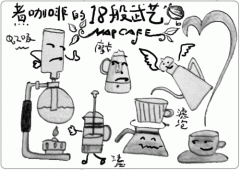
There’s no single “best” way to brew coffee at home. The market offers a range of devices, from manual pour-overs to fully automatic machines. Choose based on your goals, budget, and how much effort you want to put in.
- Beginner-friendly: Start with a French press. It’s easy, forgiving, and makes a full-bodied cup.
- Hands-on & experimental: Try a pour-over (like V60 or Kalita Wave) or a siphon (vacuum pot). These highlight coffee’s nuances but require practice.
- Science-meets-coffee: The siphon is popular with those who enjoy the chemistry-like process.
- Convenience-focused: A good home espresso machine or capsule machine delivers fast results, though with less control over variables.
More advanced brewers like moka pots (stovetop espresso) or chemex offer different flavor profiles and experiences. Choose one that matches your lifestyle.

Choosing the Right Coffee Beans for Home Brewing
Freshness and origin matter more than the label on the bag. Here’s what to look for:
1. Freshness Is Non-Negotiable
Coffee is a fresh product—like bread or produce. Once beans are roasted, they begin to oxidize, and their flavors peak within a few days, usually stabilizing around day 3. With proper storage (airtight and dark), they remain enjoyable for up to two weeks. After that, they start to fade. Avoid beans with roast dates older than 2–3 weeks. “Best before” dates on supermarket bags often stretch to a year—but that refers to food safety, not flavor quality.
2. Origin & Roast Level Affect Flavor
Different coffee-growing regions produce beans with distinct flavor profiles. For example:
- Beans from Ethiopia often have floral, fruity notes.
- Latin American coffees (like Colombia or Brazil) tend to be nutty, chocolatey, or balanced.
- Robusta beans are stronger and more bitter, usually used in espresso blends.
Roast level also matters. Light roasts preserve origin characteristics; dark roasts bring out bolder, smokier tones. Whether you prefer a bright Yirgacheffe or a deep Sumatra depends on your taste. And remember: the same bean brewed differently can taste completely unlike the cup you had at a cafe.
Buy whole beans, check the roast date, and choose a roast profile you enjoy. Avoid anything labeled only by country without a roast date.

Brewing Methods & What Actually Impacts Your Coffee’s Flavor
Great coffee isn’t just about equipment—it’s about how you use it. Even with the best beans and grinder, poor technique leads to disappointing results.
Key factors that affect your brew include:
- Grind size: Match it to your brewing method (finer for espresso, coarser for French press).
- Brew ratio: Typically 1:15 to 1:18 (grams of coffee to water).
- Water temperature: Ideal range is 90–96°C (195–205°F).
- Bloom: Start with a 30-second bloom (pouring a small amount of water to release CO₂).
- Total brew time: Varies by method (e.g., 2–4 minutes for pour-over, 25–30 seconds for espresso).
Understanding these fundamentals helps you adjust and improve. The same beans can taste weak, bitter, or sour depending on how you brew them. Don’t be discouraged by early failures—they’re part of the learning curve.
And beyond technique, learning about coffee’s origins, processing methods, and the journey from farm to cup adds depth to every cup you brew.

Recommended FrontStreet Coffee Beans for Home Brewing
Start your home coffee journey with FrontStreet’s Ethiopia Humbera—bright, juicy, and floral, perfect for pour-over. For a richer cup, try the Brazil Queen Manor, a smooth, nutty single origin ideal for French press or drip. Both beans are freshly roasted, with clear roast dates and full traceability. These beans highlight what fresh, high-quality coffee really tastes like. Freshly roasted within 5 days · Orders placed before 17:00 ship the same day · Next-day delivery across most of Guangdong Province.
FrontStreet Coffee is a long-established specialty coffee roaster in Guangzhou China, selling freshly roasted beans from its own farm in Yunnan as well as dozens of carefully selected single-origin beans from around the world for both pour-over and espresso. The products deliver consistently excellent quality and great value, with shipping within 24 hours. Guangzhou's FrontStreet Coffee shop is recommended by many coffee lovers, and the beans are now available online at the Tmall 。
Important Notice :
前街咖啡 FrontStreet Coffee has moved to new addredd:
FrontStreet Coffee Address: 315,Donghua East Road,GuangZhou
Tel:020 38364473