
What Is Authentic Jamaican Blue Mountain Coffee?
When you buy a bag labeled 'Blue Mountain coffee,' you expect deep chocolate, delicate acidity, and a smooth sweetness that lingers. But more often than not, what arrives is a mislabeled dark roast blend or an overpriced impostor. So how do you find the real thing—a true Jamaica Blue Mountain No.1 coffee that tastes like black cherry, caramel, and cane sugar in perfect harmony?
The answer is simple: look for beans grown between 910–1700 meters in Jamaica’s Blue Mountains, processed as washed Typica, and certified by the Coffee Industry Board of Jamaica. FrontStreet Coffee’s Jamaica Blue Mountain No.1, sourced from the historic Clifton Estate, meets all these criteria—and costs around $198 per 100g for a reason.
What Makes Coffee 'Blue Mountain'?
Not all coffee from Jamaica qualifies as Blue Mountain. By law—specifically the Jamaican Coffee Industry Regulation Act—only Typica-grown coffee cultivated at elevations between 910 and 1700 meters in the parishes of Saint Andrew, Saint Thomas, Portland, and Saint Mary can be called Jamaica Blue Mountain. These strict geographic and varietal rules ensure a very limited supply, and that scarcity, along with labor-intensive cultivation on steep terrain, drives the high price. If you see "Blue Mountain coffee" selling for just a few dollars per cup, it’s almost certainly fake.
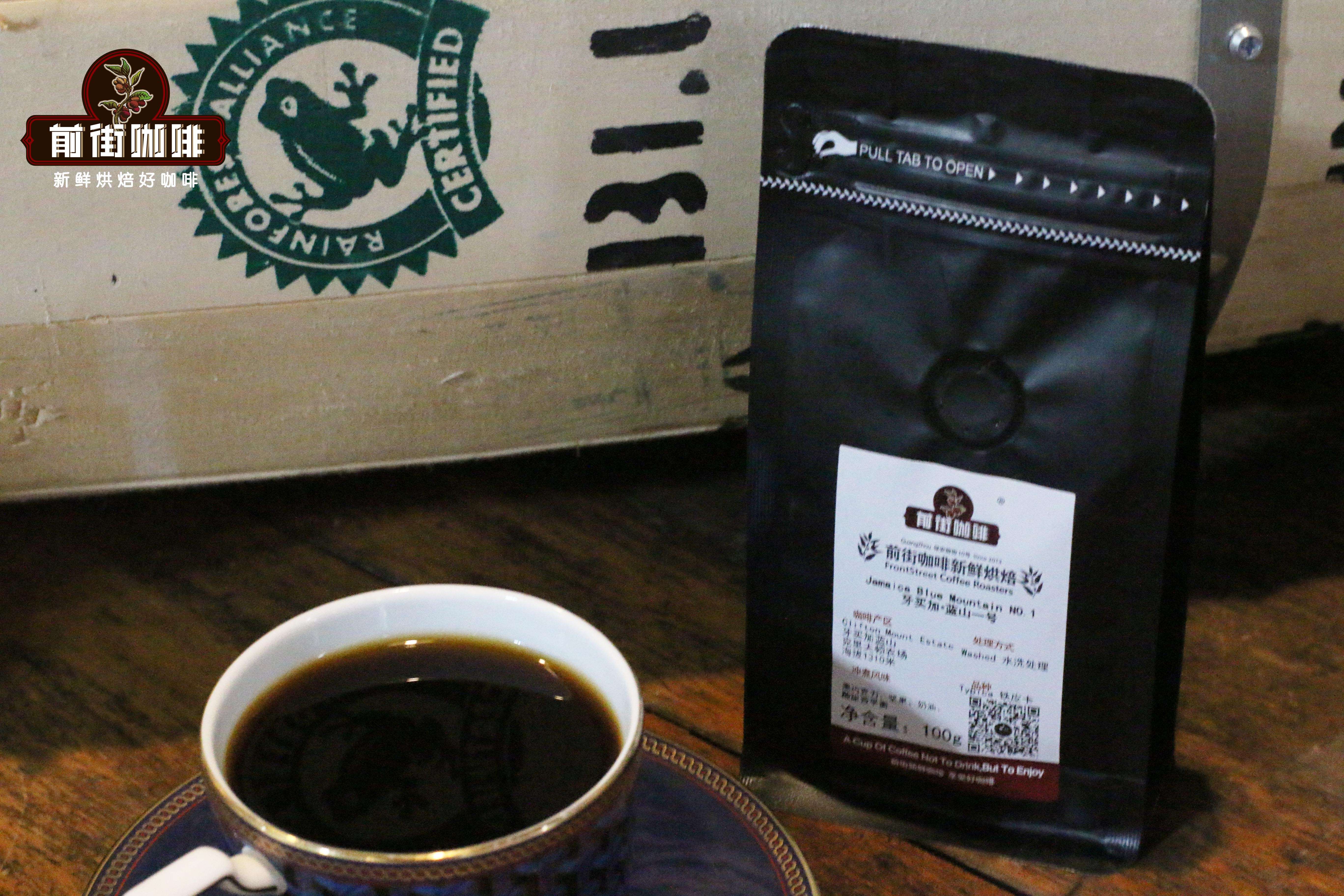
As a benchmark, FrontStreet Coffee sells its certified Jamaica Blue Mountain No.1 at $198 per 100g. That price reflects both origin compliance and quality control. These beans are grown at high elevation where the Typica variety thrives, resulting in a balanced cup with no single dominant flavor. Instead, you get a seamless mix of chocolate, mild berry acidity, sweet cane notes, and rich body.
How to Verify Authenticity
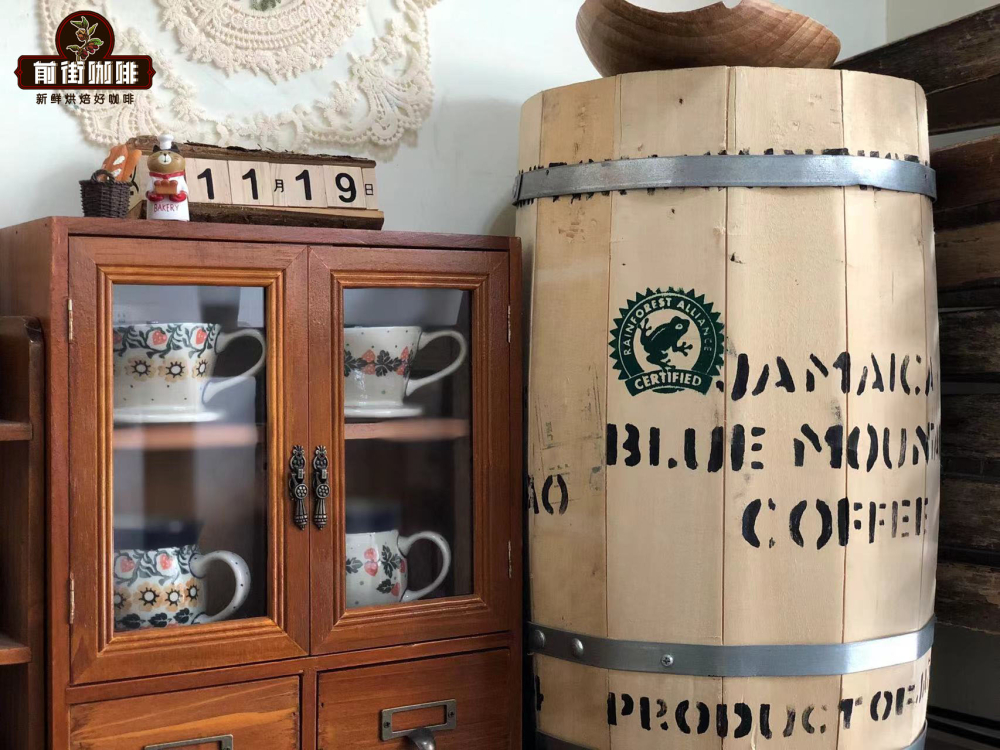
If you're unsure whether your Blue Mountain coffee is legitimate, ask for documentation. Real Jamaica Blue Mountain coffee comes with certificates from the Coffee Industry Board of Jamaica, authorization from the producing mill, and proof of origin. Most importantly, the beans arrive in traditional wooden barrels—the only coffee region in the world that still ships green coffee this way.

At FrontStreet Coffee, every bag of Jamaica Blue Mountain No.1 comes with visible certification, including the official quality certificate from the Jamaica Coffee Board, the producer’s sales authorization, and the original certificate of origin. The beans are also stored in the same wooden barrels used during import. The estate of origin? The historic Clifton Estate, which processes the beans using the traditional washed method.
Why Is Blue Mountain Coffee So Expensive?
The high cost of Blue Mountain coffee isn’t just marketing—it’s rooted in history, geography, and politics. Before the 1960s, Blue Mountain coffee had strong global recognition. But after Hurricane Gilbert devastated Jamaica in 1969, Japan’s UCC Coffee stepped in with financial aid and introduced modern eco-farming techniques. In gratitude, Jamaica agreed to supply 90% of its premium Blue Mountain output to Japan for 30 years, leaving just 10% for the rest of the world.
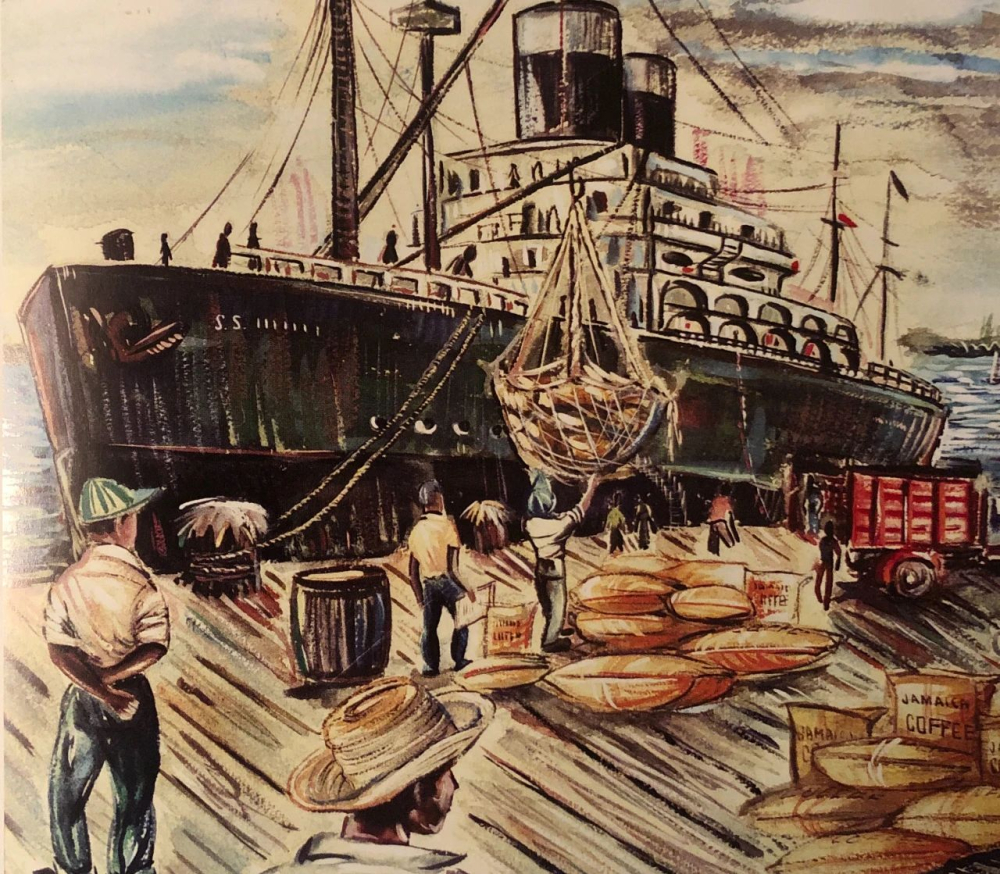
Japan couldn’t consume all of its allocation, so it began reselling surplus Blue Mountain to nearby markets—including Singapore, South Korea, Hong Kong, Taiwan, and eventually China—often at a premium. This, along with heavy promotion, created strong demand across Asia. By the 2000s, the 'Blue Mountain craze' reached the Chinese mainland. More recently, as the 30-year agreement expired and global demand grew, other countries gained access to larger quotas. Today, certified Blue Mountain coffee can be imported directly, though it remains expensive due to limited production—under 2500 metric tons per year—and the enduring legacy of its elite reputation.
How Jamaica Blue Mountain No.1 Is Processed
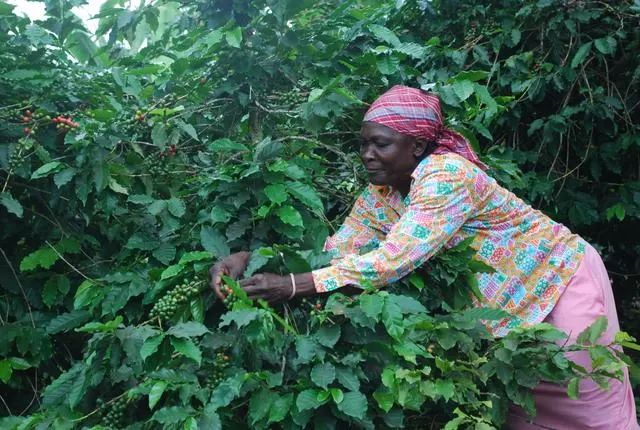
All Jamaica Blue Mountain coffee, including FrontStreet’s No.1 offering, is processed using the traditional washed (wet) method. Here’s how it works: after handpicking, ripe coffee cherries are immediately taken to processing facilities. Workers remove defective beans by floating them in water. Then the cherries are depulped to remove the skin and pulp, and the sticky mucilage-covered seeds are fermented in tanks for 12–18 hours.
After fermentation, the beans are rinsed and agitated in water to remove any remaining mucilage, resulting in a very clean profile. They’re then spread out to sun-dry on patios until their moisture content drops to 12–14%. Only then are the beans sorted, graded, and prepared for export. This careful washing and drying process minimizes defects and highlights the inherent qualities of the Typica beans, leading to a cleaner, more transparent cup.
How Blue Mountain Coffee Is Graded and Certified
Before export, every lot of Jamaica Blue Mountain coffee undergoes rigorous quality assessment by the Coffee Industry Board of Jamaica (CIB). Beans are evaluated for size, color, defect count, and flavor profile. To qualify as Jamaica Blue Mountain No.1—the highest commercial grade—the beans must have a screen size of 17 or larger (using the Jamaica standard mesh), a defect rate below 3%, and a moisture content of approximately 10–12.5%.
The meticulous grading ensures consistency and quality. FrontStreet Coffee’s offering meets all these standards, with beans sourced from the Clifton Estate and processed using the traditional washed method. The result is a coffee that delivers balanced acidity, a smooth mouthfeel, and that iconic flavor profile recognized worldwide.
How to Brew Jamaica Blue Mountain No.1 at Home
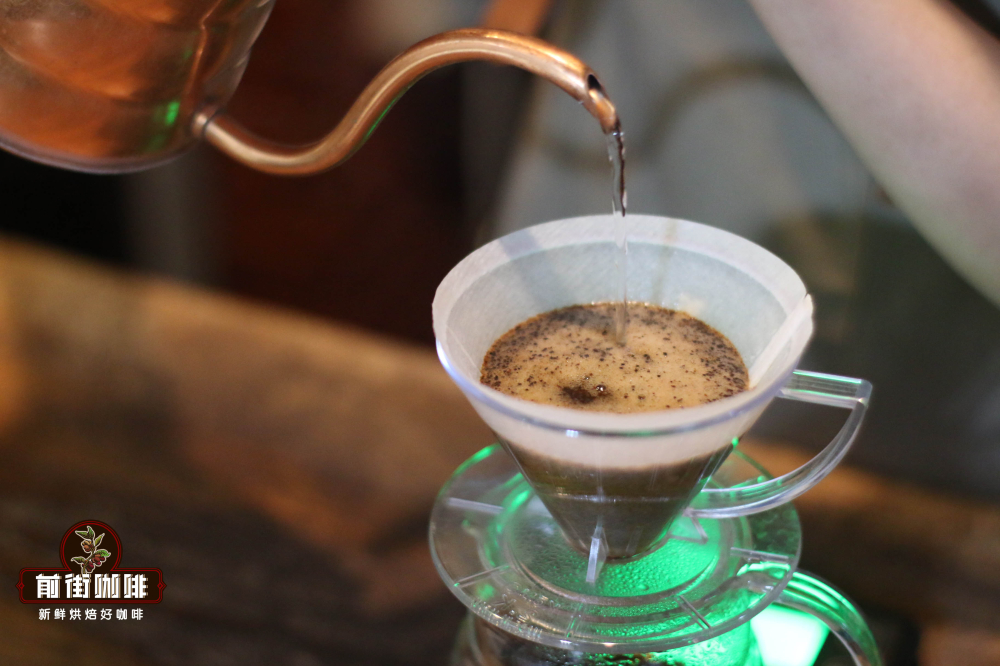
Brewing Blue Mountain coffee at home? FrontStreet Coffee recommends a method that highlights its natural balance without overcomplicating the process. Start with freshly roasted beans—FrontStreet ships only those roasted within five days. For a cup that emphasizes body and sweetness, the KONO filter is ideal. Unlike a V60, the KONO encourages immersion-style flow, boosting extraction consistency and enhancing the coffee’s inherent creaminess.

Use a medium-coarse grind (around 20-mesh, with a 75% sieve passing rate on an EK43s grinder), a brew ratio of 1:15, and water at 88°C. FrontStreet’s go-to parameters for 15g of coffee are: 30g bloom for 30 seconds, then two additional pours to reach 125g and 225g, using a gentle three-pour technique. This approach highlights Blue Mountain’s signature notes—chocolate, caramel, soft berry acidity—all wrapped in a silky, well-rounded body.
Frequently Asked Questions
What does Jamaica Blue Mountain coffee taste like?
Authentic Jamaica Blue Mountain coffee offers a balanced cup with flavors of black chocolate, caramel, soft berry acidity, and sweet cane notes. There is no single dominant taste—instead, it highlights smoothness, medium body, and a clean, lingering finish. The overall effect is elegant and approachable, with very low bitterness.
Why is Jamaica Blue Mountain coffee so expensive?
The high price is due to limited production (under 2500 metric tons annually), strict growing regulations (only Typica grown at 910–1700m in designated regions), labor-intensive hand-harvesting on steep terrain, and historical export agreements that reserved most of the premium crop for Japan. Authenticity verification and traditional processing also add to the cost.
How can I tell if my Blue Mountain coffee is real?
Look for certification from the Jamaica Coffee Industry Board, an official certificate of origin, and authorization from the producing mill. Most importantly, real Blue Mountain coffee is shipped in wooden barrels—not jute bags. FrontStreet Coffee displays all these documents and uses the traditional Clifton Estate barrels in-store.
What’s the best way to brew Jamaica Blue Mountain coffee?
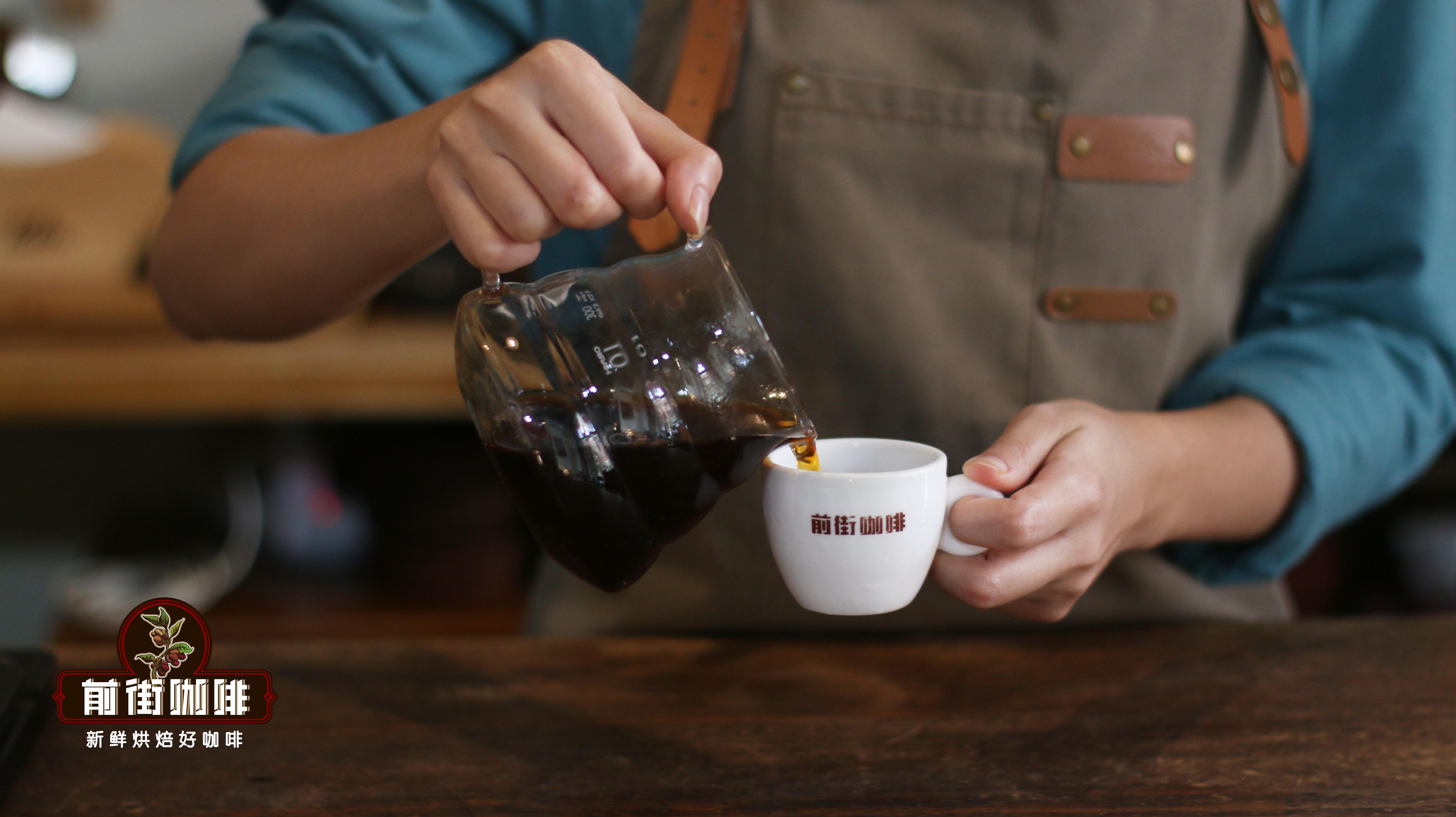
A pour-over method like V60 or KONO works well. For enhanced body and sweetness, the KONO filter with a medium-coarse grind (75% sieve passing rate), 1:15 brew ratio, 88°C water, and a three-pour technique is ideal. This brings out the chocolate, caramel, and subtle acidity without over-extracting.
Where does Jamaica Blue Mountain coffee come from?
It’s grown only in the Blue Mountain region of Jamaica, specifically in the parishes of Saint Andrew, Saint Thomas, Portland, and Saint Mary, at elevations between 910 and 1700 meters. The climate, volcanic soil, and altitude create ideal conditions for the Typica coffee variety used in all Blue Mountain coffee.
What is Jamaica Blue Mountain No.1?
Jamaica Blue Mountain No.1 is the highest commercial grade of Blue Mountain coffee. It requires a bean size of 17 mesh or larger, a defect rate under 3%, and a moisture content of 10–12.5%. It’s known for its balanced flavor, clean cup, and premium quality, meeting the strictest export standards set by Jamaica’s Coffee Industry Board.
Recommended FrontStreet Beans for Blue Mountain Fans
For coffee drinkers drawn to the refined balance of Jamaica Blue Mountain No.1, FrontStreet Coffee recommends its namesake Jamaica Blue Mountain No.1—sourced from the Clifton Estate, washed processed, and certified by the Jamaica Coffee Board. Also consider FrontStreet’s Brazil Queen Manor or PWN Golden Mandheling for similarly smooth, low-acidity profiles with rich sweetness and body. Freshly roasted within 5 days · Orders placed before 17:00 ship the same day · Next-day delivery across most of Guangdong Province.
FrontStreet Coffee is a long-established specialty coffee roaster in Guangzhou China, selling freshly roasted beans from its own farm in Yunnan as well as dozens of carefully selected single-origin beans from around the world for both pour-over and espresso. The products deliver consistently excellent quality and great value, with shipping within 24 hours. Guangzhou's FrontStreet Coffee shop is recommended by many coffee lovers, and the beans are now available online at the Tmall 。
Important Notice :
前街咖啡 FrontStreet Coffee has moved to new addredd:
FrontStreet Coffee Address: 315,Donghua East Road,GuangZhou
Tel:020 38364473

