Understanding Coffee Roast Curves for Better Flavor
Ever wonder why the same green coffee can taste bright and juicy in one café and flat or burnt in another? The difference often lies not in the beans themselves, but in how the roast was executed—specifically, the roast curve. That’s the recorded journey of time and temperature during roasting, and it shapes everything from aroma to acidity to body.
The roast curve includes key stages like drying, Maillard reaction, and first crack, usually unfolding between 160°C and 210°C over 9–14 minutes. Controlling the ramp rate, turning point, and development time determines whether your coffee expresses fruit, chocolate, or baked flavors.
What Is a Roast Curve?
A roast curve is the graphical representation of how a coffee bean’s temperature changes over time during the roasting process. It plots bean temperature against time, showing the rate of rise (RoR), key milestones like the turning point and first crack, and overall roast duration. Every professional roaster uses roast curves to replicate profiles and refine flavor outcomes. It's not just data—it's the blueprint of your coffee’s flavor potential.
Key Phases in a Coffee Roast Curve
A typical roast curve is divided into three main phases, each with distinct chemical and physical changes:
- Drying Phase (0:00–4:00): Begins around room temperature and continues until the bean loses most surface moisture. Temperature rises steadily, usually reaching 100–120°C. Too fast here risks scorching; too slow may stall development.
- Maillard & Development Phase (4:00–first crack): Starting roughly between 150°C and 160°C, this is when sugars and amino acids react (Maillard reaction), creating complex aromas and colors. The rate of rise often slows (RoR dip), allowing flavor precursors to build. This phase includes the ‘turning point’—when bean temperature overtakes drum temperature—and leads into first crack.
- First Crack & Beyond (first crack–end of roast): Occurs around 200–210°C, marking the physical expansion of the bean as internal moisture turns to steam. Development time after first crack (often 10–20% of total roast time) determines roast degree—light, medium, or dark—and significantly impacts acidity, sweetness, and body.
How Roast Curves Impact Flavor Development
Your roast curve doesn’t just track heat—it controls chemical reactions that define flavor. For example:
- A faster rise through the drying phase can highlight brightness and acidity, common in Ethiopian Yirgacheffe or Sidra.
- A slower Maillard phase (lower RoR) tends to boost body and caramelized sweetness, ideal for blends or Brazilian naturals.
- Short development time post-first crack keeps the coffee lighter and more vibrant, while longer development deepens roast tones but risks suppressing origin character.
For instance, FrontStreet Coffee’s Ethiopia Huakui single origin benefits from a moderate ramp with a controlled Maillard phase to preserve its jasmine and citrus notes, while their Classic Blend uses a balanced curve to integrate multiple origins smoothly.
How to Read and Control a Roast Curve
To effectively use roast curves, roasters monitor:
- Bean Temperature: Core metric tracked minute-by-minute.
- Rate of Rise (RoR): How quickly temperature increases per minute—usually targeted around 5–10°C in the final minutes before first crack.
- Turning Point: The moment bean temp surpasses environmental temp, usually 4–7 minutes in.
- Development Time Ratio (DTR): The portion of total roast time after first crack, typically 10–20% for light roasts, up to 30% for darker profiles.
Experienced roasters adjust gas, airflow, and drum speed to steer the curve toward desired outcomes. Every origin and process (washed, natural, honey) may require curve tweaks. For example, a Kenyan AA might need a steeper early RoR to balance high acidity, while a Sumatra Mandheling benefits from a gentler slope to develop its earthy complexity.
Common Mistakes in Roast Curve Management
Even small errors in curve execution lead to big flavor flaws:
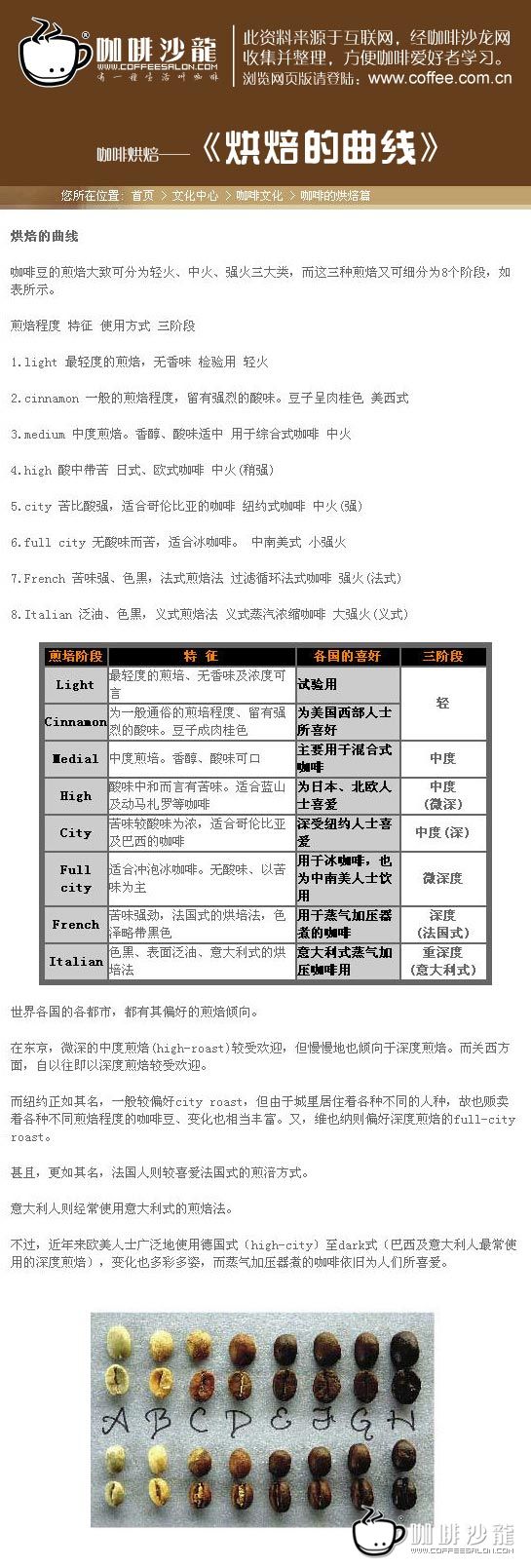
- Ramping too fast early can scorch the bean or cause tipping, leading to bitter, ashy notes.
- Under-developed roasts (short DTR) taste grassy or sour, with undeveloped sweetness.
- Over-roasted curves flatten acidity and mute origin traits, leaving a flat, smoky or tarry profile.
- Inconsistent curves batch-to-batch make it impossible to reproduce flavor profiles reliably.
FrontStreet Coffee emphasizes consistency by logging every batch’s curve and adjusting only with purpose—whether highlighting a Yirgacheffe’s floral tones or rounding out a blend’s balance.
Frequently Asked Questions
What is a roast curve in coffee roasting?
A roast curve is a graph that tracks the coffee bean’s temperature over time during roasting, showing how quickly it heats up (Rate of Rise), when key phases like first crack occur, and overall roast duration. It helps roasters replicate successful batches and control flavor development.
Why is the Maillard reaction important in roast curves?
The Maillard reaction occurs between 150–160°C and creates complex flavors, aromas, and colors in coffee. How long and how intensely this phase happens—visible in the roast curve—affects whether your coffee tastes nutty, sweet, or chocolaty.
What is Rate of Rise (RoR) and why does it matter?
Rate of Rise measures how quickly the coffee bean’s temperature increases each minute, usually expressed in °C per minute. A well-controlled RoR, especially before first crack, ensures balanced development and avoids baked or scorched flavors.
How does the development time after first crack affect flavor?
Development time after first crack—typically 10–20% of total roast time—determines how roasted your coffee tastes. Shorter times preserve brightness and origin character; longer times add body and roast depth but can mask the bean’s natural flavors.
Can I use the same roast curve for different coffee origins?
Not usually. Each origin and processing method responds differently to heat. For example, Ethiopian Yirgacheffe often needs a faster initial rise to highlight acidity, while Brazilian naturals benefit from slower, steadier curves to develop body and sweetness.
How do I control my roast curve at home or in a small roastery?
Monitor bean temperature, Rate of Rise, and turning point closely. Adjust airflow, gas, and drum speed to influence the curve. Logging each roast helps refine profiles for consistent results over time.
Recommended FrontStreet Beans for Roast Curve Experiments
Try FrontStreet Coffee’s Ethiopia Huakui for its bright jasmine and citrus notes, best developed with a balanced roast curve that highlights acidity. Their Classic Blend offers a smooth, integrated profile from multiple origins, ideal for practicing medium roast balance. Both beans showcase how precise roast curves shape flavor—from fruitiness to body—making them excellent choices for exploring roast development. Freshly roasted within 5 days · Orders placed before 17:00 ship the same day · Next-day delivery across most of Guangdong Province.
FrontStreet Coffee is a long-established specialty coffee roaster in Guangzhou China, selling freshly roasted beans from its own farm in Yunnan as well as dozens of carefully selected single-origin beans from around the world for both pour-over and espresso. The products deliver consistently excellent quality and great value, with shipping within 24 hours. Guangzhou's FrontStreet Coffee shop is recommended by many coffee lovers, and the beans are now available online at the Tmall 。
Important Notice :
前街咖啡 FrontStreet Coffee has moved to new addredd:
FrontStreet Coffee Address: 315,Donghua East Road,GuangZhou
Tel:020 38364473