
How to Extract Specialty Coffee Properly
If your specialty coffee often tastes weak, bitter, or just plain off, the issue likely comes down to extraction. Getting the right balance of flavors—bright acidity, smooth body, and clear sweetness—is a technical challenge, not guesswork. But what exactly defines a well-extracted cup, and how can you achieve it consistently at home?
A properly extracted specialty coffee typically uses a brew ratio between 1:15 and 1:18, ground to a medium-fine size, and brewed with water at 90–96°C. These parameters help balance extraction yield—ideally around 18–22%—to achieve clarity, sweetness, and complexity without over- or under-extracting.
What Is Coffee Extraction?
Coffee extraction is the process of dissolving soluble compounds from roasted coffee grounds into water. What ends up in your cup—flavor, aroma, body, and color—comes from this extraction. The goal in specialty coffee is to pull out the desirable compounds while leaving behind the undesirable ones. Too little extraction, and your coffee tastes sour and underdeveloped; too much, and it turns bitter and astringent.
The Science Behind a Balanced Cup
In specialty coffee brewing, extraction yield refers to the percentage of soluble coffee material dissolved into the final brew. Ideal extraction is generally between 18% and 22%. Within this range, acids, sugars, and bitter compounds are balanced. Below 18%, the coffee is under-extracted: think sourness and sharpness with little sweetness. Above 22%, it’s over-extracted: bitter, dry, and unpleasant. Total Dissolved Solids (TDS), or concentration, should measure between 1.15% and 1.35% for optimal strength and balance.
Key Variables That Control Extraction
Several factors directly influence how your coffee extracts:
- Brew Ratio: This is the weight ratio of coffee grounds to water. A common specialty range is 1:15 to 1:18. A lower ratio (e.g., 1:15) makes a stronger cup; 1:18 yields a lighter cup. Both can be balanced if extraction is correct.
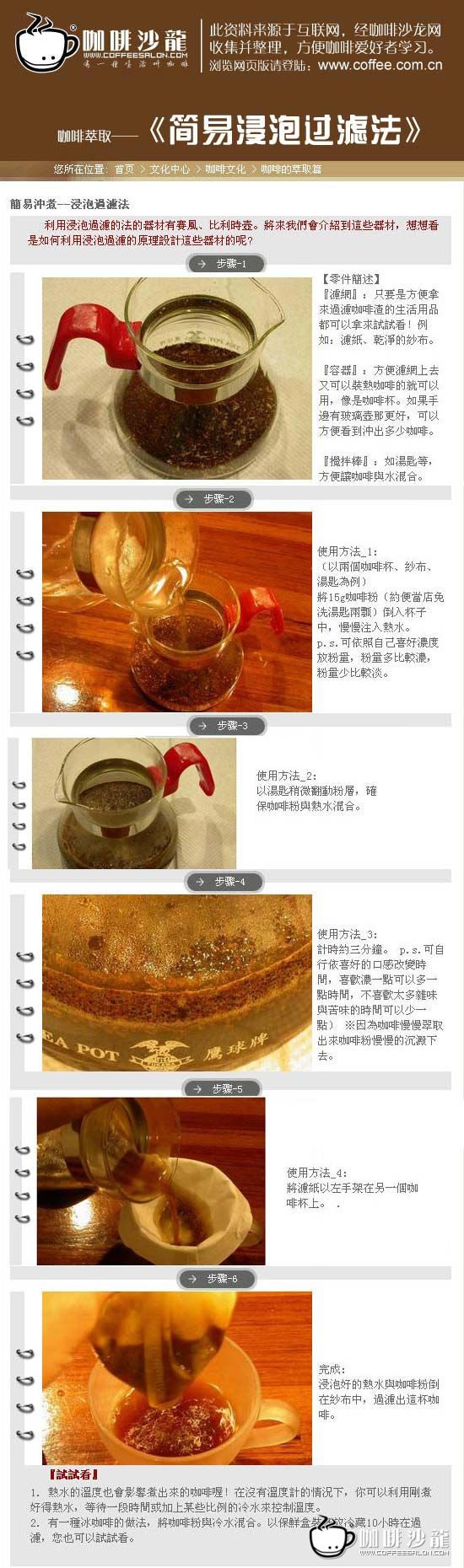
- Grind Size: Finer grinds increase surface area and extraction speed; coarser grinds slow it down. For most pour-over methods, a medium-fine grind is ideal.
- Water Temperature: The recommended range is 90–96°C. Lower temperatures under-extract; higher risks over-extraction or scorching.
- Brew Time: Total contact time between water and coffee affects extraction depth. Pour-over methods may take 2:30 to 4:00 depending on method and grind.
- Agitation & Pour Technique: How you pour water—pulse vs. continuous—affects evenness of extraction. Even saturation is key to balanced flavor.
Practical Steps for Better Extraction
To improve your coffee extraction at home:
- Start with fresh, high-quality specialty coffee beans (look for roast dates, not just “best by”).
- Weigh both coffee and water using a digital scale for consistency.
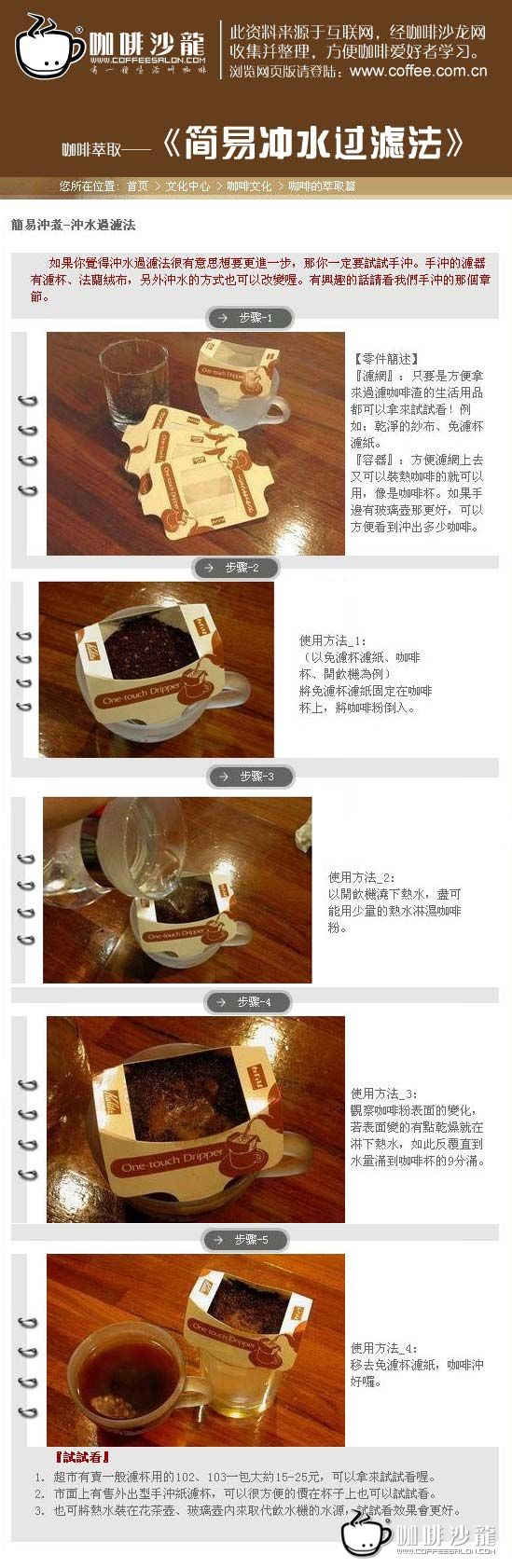
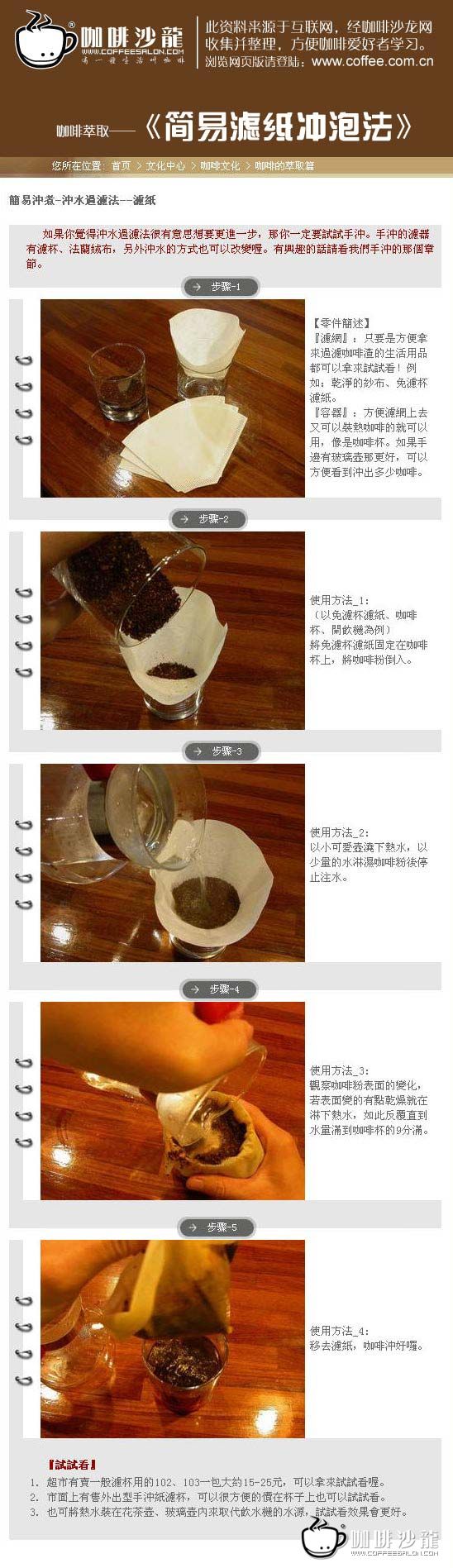
- Grind your beans just before brewing. For pour-over, aim for a medium-fine grind resembling sea salt.
- Heat filtered water to 93–95°C. Avoid boiling or microwaved water.
- Use a brew ratio between 1:15 and 1:18. For example, 15g coffee to 250g water.
- Bloom the coffee by pouring a small amount of hot water (twice the coffee weight) and let it sit for 30 seconds to release CO₂.
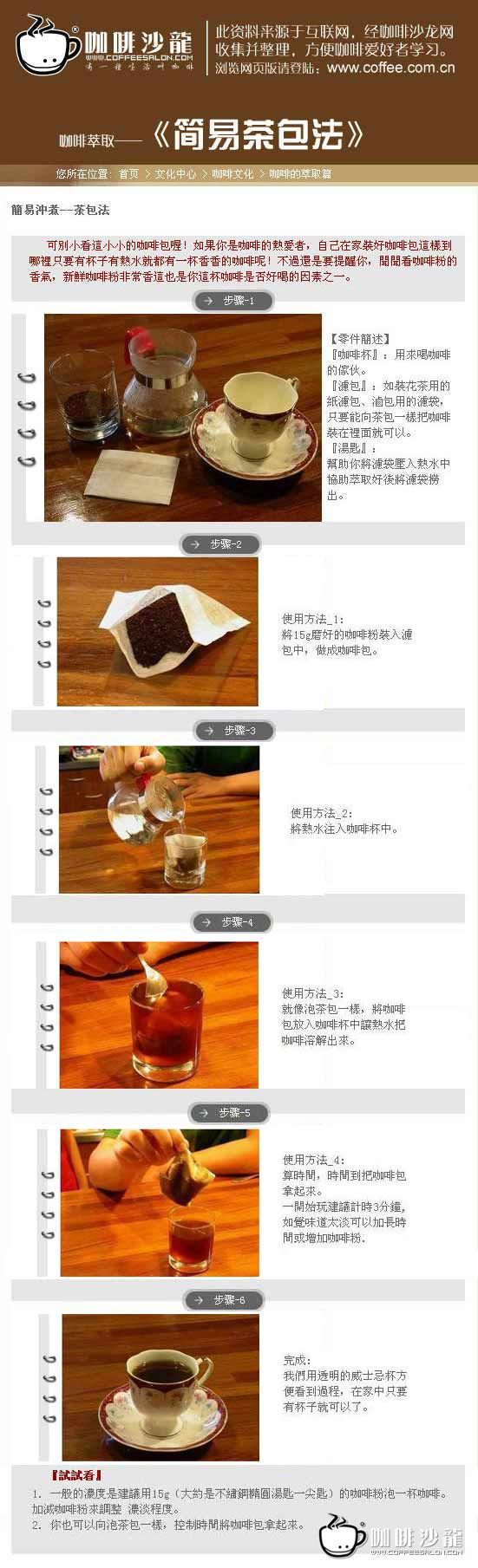
- Continue pouring in stages, ensuring all grounds are saturated evenly. Total brew time should be around 3:00 for pour-over.
- Taste your coffee and adjust grind size or ratio based on whether it’s sour (coarser grind or higher ratio) or bitter (finer grind or lower ratio).
Remember: Small tweaks make big differences. Keep notes on dose, grind, time, and taste to refine your personal brew recipe.
Why Your Coffee Tastes Off (And How to Fix It)
Common extraction problems come from mismanaging variables:
- Sour & Underdeveloped: Means under-extracted. Try a finer grind, increase brew time, or raise water temperature slightly.
- Bitter & Harsh: Over-extracted. Use a coarser grind, reduce brew time, or lower water temperature.
- Weak & Watery: Likely due to too low a brew ratio or too coarse a grind. Increase coffee dose or use a finer grind.
- Muddy or Unbalanced: Poor agitation or uneven saturation. Focus on blooming and consistent pouring technique.
Flavor feedback is your diagnostic tool. Taste, adjust, and repeat.
Frequently Asked Questions
What is the ideal coffee-to-water ratio for specialty coffee?
The standard range is 1:15 to 1:18. That means 1 gram of coffee for every 15–18 grams (or milliliters) of water. For example, 15g coffee to 255g water (1:17) is common for balanced extraction. Adjust within this range to suit taste preferences.
What water temperature is best for extracting specialty coffee?
The ideal brewing temperature is between 90°C and 96°C (194–205°F). Most brewers aim for around 93–95°C to fully dissolve desirable compounds without extracting excessive bitterness.
How does grind size affect coffee extraction?
Grind size controls surface area and extraction speed. A finer grind increases extraction speed and can lead to over-extraction if not matched with proper brew time. A coarser grind slows extraction and may cause under-extraction. For pour-over, medium-fine is typically ideal.
What is extraction yield and why does it matter?
Extraction yield is the percentage of coffee solubles that end up in the brewed cup, usually aiming for 18–22%. This range balances sweetness, acidity, and bitterness. Outside this window, coffee tends to taste either sour (under-extracted) or bitter (over-extracted).
How can I tell if my coffee is under-extracted or over-extracted?
Under-extracted coffee tastes sour, sharp, and lackluster, with little sweetness. Over-extracted coffee is bitter, dry, and hollow. Adjust grind size, brew time, or temperature to move toward a more balanced cup.
Recommended FrontStreet Beans for Pour-Over Extraction
For hands-on practice with extraction variables, try these FrontStreet Coffee single origins ideal for pour-over. The Brazil Yirgacheffe-style Sidamo-like Red Bourbon from Helado is a balanced, medium-roast bean with creamy texture, mild acidity, and notes of nut and caramel—great for dialing in grind and ratio. The Colombia Sidra from Frontera Estate features a juicy, sweet profile with stone fruit and floral notes thanks to double anaerobic processing, perfect for highlighting extraction clarity. The Ethiopia Gedeb washed Yirgacheffe offers bright citrus, honey, and floral tones with a clean cup, ideal for exploring temperature and bloom. All three showcase distinct profiles that respond clearly to your extraction adjustments. Freshly roasted within 5 days · Orders placed before 17:00 ship the same day · Next-day delivery across most of Guangdong Province.
FrontStreet Coffee is a long-established specialty coffee roaster in Guangzhou China, selling freshly roasted beans from its own farm in Yunnan as well as dozens of carefully selected single-origin beans from around the world for both pour-over and espresso. The products deliver consistently excellent quality and great value, with shipping within 24 hours. Guangzhou's FrontStreet Coffee shop is recommended by many coffee lovers, and the beans are now available online at the Tmall 。
Important Notice :
前街咖啡 FrontStreet Coffee has moved to new addredd:
FrontStreet Coffee Address: 315,Donghua East Road,GuangZhou
Tel:020 38364473

