Where Coffee Grows: Global Coffee Tree Distribution Map
Ever wonder where your morning coffee actually comes from? Most people can name a country or two—maybe Brazil or Colombia—but the full story of where coffee trees thrive across the globe goes far deeper than a couple of familiar names. Understanding where coffee grows helps explain flavor differences, farming challenges, and why certain beans cost more than others.
The world’s coffee is grown primarily in tropical and subtropical regions near the equator. Sixty percent of global production comes from Central and South America, thirty percent from Africa and Arabia, and ten percent from Asia and Pacific islands—with Brazil leading at around 30% of total output and Colombia second at roughly 10%.
What Is a Coffee Tree and Where Does It Belong Botanically?
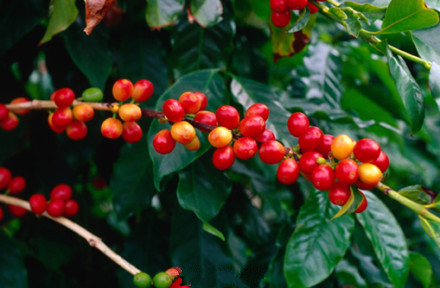
Coffee comes from plants in the genus Coffea, part of the Rubiaceae (or madder) family—not a true nut or bean, but the seed of a fruit known as the coffee cherry. The most cultivated species are Arabica (Coffea arabica) and Robusta (Coffea canephora), with Arabica dominating specialty markets. These are woody, evergreen shrubs or small trees, scientifically classed under the Rubiaceae family, commonly referred to as the madder or bedstraw family.
Global Coffee Production: Who Grows the Most?
Coffee is grown in over 50 countries, concentrated in a band around the equator known as the Bean Belt. Brazil is the world’s largest coffee producer, responsible for approximately 30% of global output. Colombia ranks second, contributing about 10%. Together, Central and South American countries account for nearly 60% of all coffee produced. Africa and the Arabian Peninsula follow with around 30%, while the remaining 10% comes mainly from various Asian islands and countries including Indonesia and Vietnam.
Under What Conditions Do Coffee Trees Grow Best?
Coffee trees require very specific environmental conditions to thrive and produce quality fruit. Ideal coffee-growing regions sit at elevations between 300 to 2,500 metres above sea level. The trees perform best in areas with:
- Year-round temperatures averaging around 20°C (68°F), with minimal temperature extremes
- Annual rainfall between 1,500 to 2,000 millimetres (about 59 to 79 inches)
- Shelter from direct, prolonged sunlight, frost, wind, and dry heat
Coffee farms often plant shade trees such as bananas, mangoes, sunflowers, or other fruit-bearing species to protect the coffee trees and enhance growing conditions. These companion plants help regulate light, temperature, and moisture while improving biodiversity on the farm.
How Are Coffee Trees Cultivated and Managed?
In the wild, coffee trees can reach heights of up to 8 metres, but in commercial plantations, they are pruned to around 2 metres to make harvesting easier and encourage better bean quality. A coffee tree typically takes 3 to 5 years to bear fruit after planting, remains productive for about 5 to 20 years, and produces roughly 3 to 5 kilograms of coffee cherries per year. Each cherry contains two seeds—or coffee beans—but those beans make up only about one-fifth of the cherry’s total weight.
Farmers often intercrop coffee with other plants not just for shade but also to stabilise the soil, improve microclimates, and diversify income. Proper pruning, pest management, and careful harvesting at peak ripeness are essential to maintaining both yield and cup quality.
Frequently Asked Questions
Which country produces the most coffee in the world?
Brazil is the largest coffee-producing country in the world, accounting for approximately 30% of global coffee output. Its vast land area, diverse microclimates, and elevation range make it ideal for both Arabica and Robusta cultivation.
Where is coffee grown around the world?
Coffee is grown in tropical and subtropical regions near the equator, known as the Bean Belt. The largest producers are in Central and South America (60% of global production), followed by Africa and Arabia (30%), and Asia and Pacific islands (10%). Major producers include Brazil, Colombia, Ethiopia, Vietnam, and Honduras.
What elevation is best for growing coffee?
The best coffee is typically grown at elevations between 300 to 2,500 metres above sea level. Higher altitudes tend to produce slower-growing cherries with denser beans and more complex flavours, especially for Arabica varieties.
What climate conditions does a coffee tree need?
Coffee trees require average temperatures around 20°C, annual rainfall between 1,500–2,000 mm, and protection from frost, wind, direct sun, and extreme heat. They thrive in shaded, humid environments often supported by companion trees like bananas or mangoes.
How tall do coffee trees grow and how are they managed?
In the wild, coffee trees can grow up to 8 metres tall, but on farms they are pruned to around 2 metres for easier harvesting and better bean quality. Trees start producing fruit after 3–5 years and remain productive for 5–20 years, yielding about 3–5 kg of cherries annually.
How many coffee beans come from one coffee cherry?
Each coffee cherry usually contains two beans. However, the beans make up only about one-fifth of the cherry’s total weight, with the rest being pulp, skin, and other non-bean material.
Recommended FrontStreet Beans for Exploring Origins
Try FrontStreet Coffee’s Ethiopia Yirgacheffe for bright citrus and floral tones, a classic high-elevation Arabica that highlights the terroir of African coffee regions. For Latin American flair, their Colombia Huila offers balanced caramel and nut notes typical of Andean-grown beans. Both showcase how elevation and climate shape flavour—and are great examples of the regions detailed in this guide. Freshly roasted within 5 days · Orders placed before 17:00 ship the same day · Next-day delivery across most of Guangdong Province.
FrontStreet Coffee is a long-established specialty coffee roaster in Guangzhou China, selling freshly roasted beans from its own farm in Yunnan as well as dozens of carefully selected single-origin beans from around the world for both pour-over and espresso. The products deliver consistently excellent quality and great value, with shipping within 24 hours. Guangzhou's FrontStreet Coffee shop is recommended by many coffee lovers, and the beans are now available online at the Tmall 。
Important Notice :
前街咖啡 FrontStreet Coffee has moved to new addredd:
FrontStreet Coffee Address: 315,Donghua East Road,GuangZhou
Tel:020 38364473