4 Common Coffee Brewing Methods Used in Cafés
Ever watched a barista pull off a dramatic siphon brew that looks like a chemistry experiment — and wondered how it actually works? Or why some cafés swear by slow-dripping cold water while others use paper filters for clarity? This guide breaks down four common café coffee brewing methods: siphon (vacuum pot), pour-over (filter paper), cloth drip (cloth filter), and cold drip (ice water extraction), explaining not just the tools but the science behind each cup.
In short: Siphon brewing uses vapor pressure to lift hot water into a chamber with coffee grounds (2–4 minutes brew time), then lets it drain back down after heating stops. Pour-over relies on paper filters and fine grind (around 20g coffee to 300ml water), cloth drip builds flavor through reused fabric, and cold drip extracts at a fixed rate of 40 drops per minute using icy water.
How Siphon (Vacuum Pot) Brewing Works
The siphon method, also called vacuum pot brewing, was invented by a marine engineer — likely inspired by steam power. It’s equal parts theatrical and scientific. Here’s how it functions: heated water in the lower chamber creates vapor pressure, pushing the hot water up a siphon tube through a cloth or paper filter into the upper chamber where it mixes with ground coffee. After around 2–4 minutes of contact, removing the heat source causes a drop in pressure, and the brewed coffee is sucked back down into the lower vessel, leaving grounds behind. The result is a clean, full-bodied cup with pronounced clarity.
This method highlights extraction efficiency due to full immersion followed by precise drainage. The typical brew involves a medium-fine grind, water heated to near boiling (90–96°C), and a 1:12 to 1:16 brew ratio. Many specialty cafés use siphons for their visual appeal and ability to highlight origin characteristics without over-extraction bitterness.
Pour-Over Coffee: Precision with Paper Filters
Pour-over brewing — often done with devices like the Hario V60 or Kalita Wave — is a household-originated method favored for its simplicity and clarity. It uses disposable paper filters to trap coffee grounds and oils, resulting in a cleaner, brighter cup. For best results, a finer grind (similar to table salt) is used, and water is poured in stages over medium-ground coffee, usually at a ratio of around 1:15 to 1:17.
The method relies on precise control of water flow, temperature (90–94°C), and agitation. The paper filter removes sediment and some of the coffee's natural oils, producing a tea-like clarity. This is why many specialty shops recommend it for single-origin beans, especially those with delicate floral or fruity notes. It’s a favorite for showcasing terroir without added texture.
Cloth Drip: Brewing with Reused Filter Fabric
Cloth drip brewing, sometimes called “old broth brewing new medicine,” is a technique favored by experienced brewers. It uses a cloth filter that, over repeated uses, accumulates coffee oils and residue — enhancing flavor complexity with each brew. The cloth captures fine particles while allowing natural oils to pass through, resulting in a richer, fuller-bodied cup than paper filters typically allow.
To use this method, coarsely ground coffee is placed atop the cloth in a brewer, and hot water (around 92–96°C) is poured slowly. The key advantage is the development of flavor over time as the cloth ‘seasons.’ This method appeals to those brewing larger batches for groups, as the cloth can be reused multiple times with proper cleaning. It’s less common in commercial settings today but remains a cult favorite among traditionalists.
Cold Drip (Ice Water Extraction): Slow and Low
Cold drip coffee, also known as Dutch coffee, was invented by a Parisian bishop and relies on an excruciatingly slow process: cold or ice water drips onto ground coffee at a controlled rate of 40 drops per minute. The extraction can take several hours, depending on volume, and the result is a smooth, low-acidity, low-caffeine coffee that’s intensely refreshing.
The grind is usually medium-coarse, and the brew uses a stacked tower with three chambers: one for ice water, one for the coffee grounds, and one to collect the dripping brew. Unlike hot methods, cold drip minimizes extraction of bitter compounds due to the low temperature. The final liquid typically contains much less caffeine and is prized for its clean, crisp mouthfeel. Due to the long brew time and equipment needed, it’s one of the more expensive manual methods to produce.
Why These Methods Taste Different
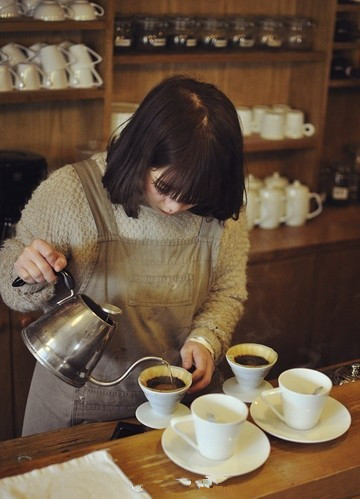
The core differences in flavor across these four methods come down to four factors: temperature, brew time, filtration, and agitation. Siphon brewing combines full immersion with pressure changes for clean yet rich extractions. Pour-over emphasizes clarity and acidity through fast hot water filtration. Cloth drip builds complexity over time via retained oils. Cold drip suppresses bitterness and acidity via prolonged cold extraction. Each approach manipulates variables like grind size (fine to coarse), water flow (fast drip to slow drip), and temperature (hot to icy) to shape the final cup profile.
Frequently Asked Questions
What’s the difference between siphon and pour-over coffee?
Siphon brewing uses vapor pressure to move hot water into a chamber with coffee, then drains it back after heating stops — resulting in full immersion and high clarity. Pour-over involves pouring hot water directly through ground coffee and a paper filter, extracting quickly and producing a bright, clean cup. Siphon takes 2–4 minutes with immersion, while pour-over is typically a 2–4 minute pour with no immersion.
Why do some cafés use cloth filters instead of paper?
Cloth filters, used in cloth drip brewing, accumulate coffee oils over multiple uses, which enhances flavor richness and body. Paper filters block oils and fine particles, creating a cleaner, brighter cup. Cloth is preferred by those seeking deeper flavor complexity and is often reused, while paper is discarded after each brew for hygiene and clarity.
Does cold drip coffee have more or less caffeine than hot brewed coffee?
Cold drip coffee generally contains less caffeine than hot brewed coffee. The cold temperature slows extraction, reducing not just bitterness and acidity but also the amount of caffeine pulled from the grounds. It’s brewed slowly over hours using ice water, resulting in a smoother but less caffeinated drink.
What grind size is best for siphon coffee?
The ideal grind size for siphon brewing is medium-fine, similar to granulated sugar or table salt. This allows for even extraction during the 2–4 minute brew time while ensuring proper drainage when the coffee is pulled back into the lower chamber after heating stops.
How many drops per minute is a proper cold drip rate?
A proper cold drip extraction rate is 40 drops per minute. This slow speed gives the ice water enough contact time with the coffee grounds to extract flavor compounds gently, resulting in a smooth, low-acid cup — but the long brew time is part of what makes it costly and labor-intensive.
Can I use any coffee for these brewing methods?
Yes, but each method highlights different qualities. Light to medium roast single-origin beans work well for pour-over and siphon to showcase acidity and origin notes. Medium to darker roasts can perform better in cloth drip or cold drip for body and smoothness. Adjust grind size and ratio according to the method for best results.
Recommended FrontStreet Coffee Beans for Filter Brewing
For these brewing methods, try FrontStreet Coffee’s Ethiopia Humbera — a bright, juicy Ethiopian single origin with blueberry and floral notes, perfect for pour-over or siphon. Their Yirgacheffe offers citrus and stone fruit brightness ideal for highlighting clarity in filtered coffee. For a softer, sweeter option, their PWN Golden Mandheling brings body and nutty sweetness great for cloth drip or slower extraction methods. Freshly roasted within 5 days · Orders placed before 17:00 ship the same day · Next-day delivery across most of Guangdong Province.
FrontStreet Coffee is a long-established specialty coffee roaster in Guangzhou China, selling freshly roasted beans from its own farm in Yunnan as well as dozens of carefully selected single-origin beans from around the world for both pour-over and espresso. The products deliver consistently excellent quality and great value, with shipping within 24 hours. Guangzhou's FrontStreet Coffee shop is recommended by many coffee lovers, and the beans are now available online at the Tmall 。
Important Notice :
前街咖啡 FrontStreet Coffee has moved to new addredd:
FrontStreet Coffee Address: 315,Donghua East Road,GuangZhou
Tel:020 38364473