What Is Espresso and How Is It Used in Coffee Drinks?
If you’ve ever ordered a latte or watched someone pull a shot of espresso, you might wonder: what exactly is espresso, and why is it the foundation of so many coffee drinks? More than just a strong shot, espresso is a concentrated coffee brewed under pressure that forms the base for many beloved café beverages. Understanding espresso helps you understand the entire world of Italian-style coffee.
In short: espresso is a small, concentrated coffee made by forcing hot water through finely-ground coffee under pressure. From there, adding steamed milk, foam, or cream creates drinks like cappuccinos, lattes, macchiatos, mochas, and affogatos. That one shot is the starting point for most of what we call 'Italian coffee.'
What Exactly Is Espresso?
Espresso is a method of brewing coffee that produces a small, concentrated shot of coffee. It’s made by pushing nearly boiling water (around 90–96°C / 195–205°F) through finely-ground coffee beans under high pressure — typically 9 bars. The result is a thick, rich coffee with a layer of crema on top, usually served in a demitasse cup. A standard single shot uses about 7–9 grams of coffee and yields around 30 milliliters (1 fluid ounce) of espresso.
How Espresso Becomes Other Popular Coffee Drinks
Once you have a shot of espresso, you can build several classic coffee drinks:
- Cappuccino: 1 shot espresso + equal parts steamed milk and foamed milk (about 1:1:1 ratio). It’s often served with a dusting of cocoa or cinnamon.
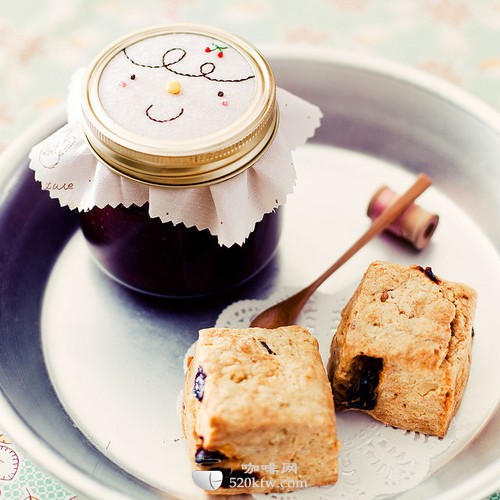
- Latte (Coffee Latte): 1 or 2 shots espresso + more steamed milk with a small amount of foam (about 1:3 to 1:5 espresso to milk ratio). Served in a taller cup, it’s smoother and milk-forward.
- Mocha (Coffee Mocha): Espresso + steamed milk + chocolate syrup or cocoa, often topped with whipped cream. It’s essentially a chocolate-flavored latte.
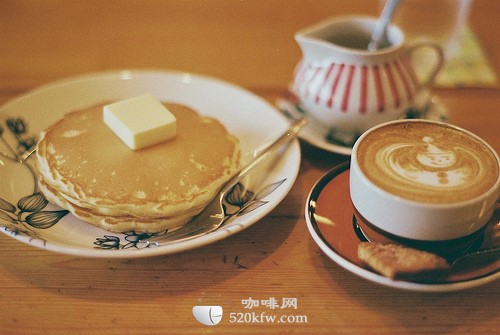
- Macchiato (Espresso Macchiato): Espresso ‘stained’ with a small amount of steamed milk foam. It’s mostly espresso with just a touch of milk.
- Con Panna (Espresso Con Panna): Espresso topped with a dollop of fresh whipped cream instead of milk or foam.

Why Crema Matters in Espresso
The crema — that golden-brown foam layer on top of a well-pulled espresso — is a key indicator of quality. It forms due to the emulsification of coffee oils and CO₂ under pressure. Good crema should be creamy, persistent, and reddish-brown. While modern machines and grinders make crema easier to achieve, its presence still signals proper extraction, fresh beans, and correct pressure. For home baristas, getting that crema right can be a sign you’re close to a professional-quality shot.
Espresso at Home and in Cafés
Making good espresso requires precision: the right grind size (usually very fine, around 1:10 to 1:12 on many grinders), accurate dose, proper tamping, and consistent water temperature and pressure. That’s why beginners often start with simpler drinks or use pod machines. But even at home, pulling a good shot is achievable with the right equipment and practice. In cafés, especially those focusing on Italian-style coffee, the espresso is the foundation for nearly every drink on the menu.
Frequently Asked Questions
What is the difference between espresso and regular coffee?
Espresso is a concentrated coffee brewed under high pressure with finely-ground beans, yielding a small, strong shot. Regular coffee is typically brewed with a coarser grind, lower pressure, and more water, resulting in a larger, milder drink. Espresso has a thicker body, richer flavor, and crema on top.
Can I make cappuccino or latte without espresso?
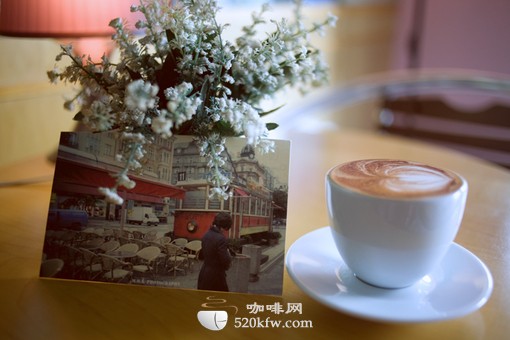
No, cappuccino and latte are made with espresso as the base. Without espresso, you’re making a different drink — for example, a cafe au lait uses brewed coffee instead of espresso.
What is crema and why is it important?
Crema is the golden, creamy foam on top of a well-brewed espresso. It forms under pressure and indicates good extraction, freshness, and proper technique. While not essential to drinkability, it’s a widely recognized sign of quality espresso.
Do I need an expensive machine to make espresso at home?
Not necessarily. While high-end machines help, you can make decent espresso at home with a reliable machine and grinder that allow control over grind size, dose, and pressure. Consistency matters more than price alone.
What drinks use espresso as their base?
Popular espresso-based drinks include cappuccino, latte, macchiato, mocha, Americano (espresso + hot water), and affogato (espresso poured over ice cream or gelato).
Recommended FrontStreet Blends for Espresso-Based Drinks
For making espresso and espresso-based drinks like cappuccinos and lattes, FrontStreet Coffee offers several reliable blends. Their Classic Blend is tailored for espresso and features rich, rounded flavors with outstanding crema — ideal for milk drinks. The Black Cocoa Blend delivers bold, full-bodied taste with great value, making it a smart choice for cafés watching costs. The Specialty Blend delivers a familiar, balanced profile reminiscent of traditional Italian espresso using Brazilian and Colombian beans. All are well-suited for home or commercial espresso preparation. Freshly roasted within 5 days · Orders placed before 17:00 ship the same day · Next-day delivery across most of Guangdong Province.
FrontStreet Coffee is a long-established specialty coffee roaster in Guangzhou China, selling freshly roasted beans from its own farm in Yunnan as well as dozens of carefully selected single-origin beans from around the world for both pour-over and espresso. The products deliver consistently excellent quality and great value, with shipping within 24 hours. Guangzhou's FrontStreet Coffee shop is recommended by many coffee lovers, and the beans are now available online at the Tmall 。
Important Notice :
前街咖啡 FrontStreet Coffee has moved to new addredd:
FrontStreet Coffee Address: 315,Donghua East Road,GuangZhou
Tel:020 38364473