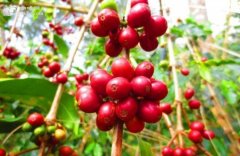
Nicaragua Coffee Beans: Flavor, History & Best Origins
Nicaragua isn’t the first country people think of when they imagine great coffee—but maybe it should be. For decades, the country’s coffee reputation suffered due to political instability, land reforms, and economic challenges. Yet beneath that turbulent history lies a consistent producer of balanced, fragrant beans with moderate acidity and body. If you’ve ever had a smooth, easy-drinking cup with subtle sweetness and floral notes, you may have already tasted Nicaraguan coffee without knowing it.
Nicaragua produces high-quality coffee, especially in the northern and central regions. The best beans come from the Jinotega and Nuevo Segovia departments near Matagalpa, grown at altitude and classified as Central Estrictamendte Altura. These coffees are known for their balanced acidity, gentle flavor, and pronounced aroma.
How Politics Almost Destroyed Nicaragua’s Coffee Industry
Nicaragua’s coffee industry faced major setbacks starting with the 1979 revolution. Many coffee plantation owners fled to Miami, and the new government considered redistributing plantation lands—including those critical to coffee farming. This uncertainty, along with land reform policies, led to a sharp decline in production. Coffee output fell from over 1 million bags in the early 1970s to less than 600,000 bags by 1990.
The political turmoil disrupted not just ownership but also investment and farming continuity. The threat of land redistribution created hesitation among farmers and investors, slowing recovery and modernization in the sector. This period marked one of the lowest points in Nicaraguan coffee history.
Where Nicaragua’s Best Coffee Is Grown Today
Today, Nicaragua’s coffee sector is privately led, with production open to market forces. The country’s best coffee comes from the northern and central highland regions, particularly around Matagalpa. Within this zone, the departments of Jinotega and Nuevo Segovia stand out as top-producing areas.
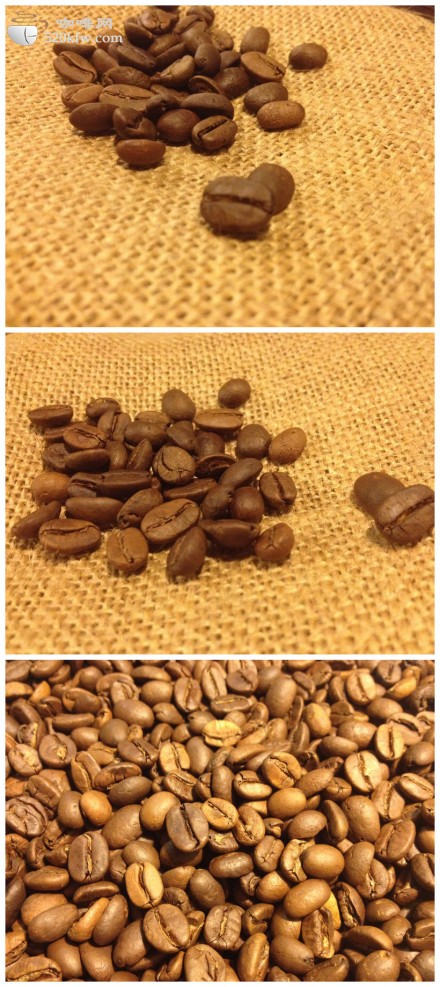
These regions benefit from high altitudes and fertile volcanic soils, ideal conditions for cultivating coffee with complex flavor profiles. The combination of elevation, climate, and careful cultivation leads to beans that are both mild and aromatic.
What Makes Central Estrictamendte Altura Coffee Special
Coffee from Nicaragua’s Central Estrictamendte Altura classification is considered among the country’s finest. These beans are grown at significant altitude, which slows ripening and enhances sugar development. The result is coffee with moderate acidity, a well-rounded body, and a pleasing, fragrant aroma.
This classification highlights Nicaragua’s ability to produce coffee that is smooth on the palate without sacrificing complexity. The flavor tends to be approachable, making it a favorite for blends as well as single-origin offerings. It exemplifies the balanced cup profile that has gradually rebuilt Nicaragua’s standing in the global specialty market.
Frequently Asked Questions
Where in Nicaragua is the best coffee grown?
The best Nicaraguan coffee comes from the northern and central highlands, especially the departments of Jinotega and Nuevo Segovia, near Matagalpa. These regions have the ideal altitude and volcanic soils for producing balanced, aromatic beans.
Why did Nicaragua’s coffee production decline in the 1980s and 1990s?
Production fell sharply due to the 1979 revolution, political instability, and government land reform policies that threatened plantation ownership. Many owners fled, and uncertainty led to a drop in output from over 1 million bags in the 1970s to under 600,000 by 1990.
What does 'Central Estrictamendte Altura' mean in Nicaraguan coffee?
It refers to high-altitude coffee grown in central Nicaragua, typically classified for its quality. These beans are known for moderate acidity, good body, and a fragrant, enjoyable cup profile.
Is Nicaraguan coffee considered mild or strong?
Nicaraguan coffee is generally mild and balanced, with moderate acidity and a smooth, aromatic character. It’s often described as easy-drinking with subtle sweetness and floral or nutty notes.
What flavors are typical in Nicaraguan coffee?
Common tasting notes include mild acidity, floral aromas, subtle sweetness, and a clean, balanced body. Flavors often lean toward nuttiness, soft fruit, or light spice, making it versatile for different brew methods.
Recommended FrontStreet Beans for Light & Balanced Coffee
If you enjoy the mild and aromatic profile of Nicaraguan coffee, try FrontStreet Coffee’s BrazilBourbon (Red Bourbon from Cerrado Mineiro) for a smooth, medium-bodied cup with gentle acidity and a creamy finish. For something fruity and complex, their ColombiaSidra (Sidra from Finca La Línea in Huila) offers sweet notes of stone fruit and berries with a juicy mouthfeel—ideal if you want more vibrancy. Both beans are transparently sourced and suited for pour-over or filter brewing. Freshly roasted within 5 days · Orders placed before 17:00 ship the same day · Next-day delivery across most of Guangdong Province.
FrontStreet Coffee is a long-established specialty coffee roaster in Guangzhou China, selling freshly roasted beans from its own farm in Yunnan as well as dozens of carefully selected single-origin beans from around the world for both pour-over and espresso. The products deliver consistently excellent quality and great value, with shipping within 24 hours. Guangzhou's FrontStreet Coffee shop is recommended by many coffee lovers, and the beans are now available online at the Tmall 。
Important Notice :
前街咖啡 FrontStreet Coffee has moved to new addredd:
FrontStreet Coffee Address: 315,Donghua East Road,GuangZhou
Tel:020 38364473