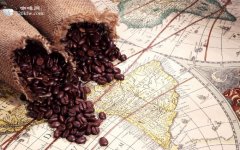
Peru Coffee Beans: Balanced Origins for Blending
If you’ve ever wondered why some specialty coffee blends taste smooth yet well-rounded, the answer often lies in understated origins like Peru. While it rarely grabs headlines, Peru has long been a quiet powerhouse in the global coffee trade—delivering consistent, balanced beans that shine in blends or shine solo when sourced carefully.
The short answer? Over 98% of Peru’s coffee grows in forested highlands, mostly cultivated by smallholder farmers. The best lots come from regions like Chanchamayo, Cuzco, Norte, and Puno—each contributing to Peru’s reputation for clean, balanced cups suited for both single-origin offerings and espresso blends.
Why Peru Produces Such Balanced Coffee
Peru’s coffee quality benefits from a combination of natural conditions and stable infrastructure. With 98% of its coffee grown in forested areas—often at elevation—the country offers ideal growing conditions for Arabica. The political stability and stronger economy of the past few decades helped maintain consistent production and encouraged attention to quality, especially after the establishment of the private Peruvian Coffee Exporters' Association (Comercial de Exportadores de Café del Perú). This group pushed for higher standards, helping shift focus from quantity to cup quality.
From Government Control to Quality Focus
In the 1970s, Peru produced around 900,000 bags of coffee annually. By the 1990s, that number had risen steadily to approximately 1.3 million bags. Though remote-area coffee was often bought through intermediaries by private exporters, the market was largely government-controlled. The creation of the private Peruvian Coffee Exporters' Association marked a turning point. This organization prioritized quality improvement, establishing standards to remove subpar beans and foster a culture where quality mattered. Rising prices also motivated farmers to grow coffee over traditional crops like cacao.
Where the Best Peruvian Coffee Comes From
The finest Peruvian coffees originate from four key regions:
- Chanchamayo: A central highland zone known for balanced, approachable profiles.
- Cuzco: High-altitude plantings producing nuanced cups.
- Norte (Northern Highlands): Often undersung, but capable of refined results.
- Puno: Located near Lake Titicaca, with elevations and conditions favorable to clean, structured flavors.
Most Peruvian coffee is grown under natural (shade-grown) conditions, though verification is inconsistent. Naturally cultivated lots can command premiums of 10–20% over conventionally grown coffee. Due to economic pressures, many smallholder farmers likely cannot afford chemical inputs—but confirming fully organic or chemical-free status for every farm remains difficult.
The Challenges Behind the Beans
Despite its strengths, Peru faces localized issues that occasionally disrupt production. Historical challenges include guerrilla activity, drug trafficking, and economic shocks—such as the cholera outbreak in the mid-1990s that crippled coastal economies, and periods of hyperinflation reaching 7000%. These factors add layers of complexity to an otherwise reliable origin, affecting everything from infrastructure to farmer access to markets.
Frequently Asked Questions
What makes Peruvian coffee beans special?
Peruvian coffee beans are known for their balanced, clean profiles with moderate acidity and smooth body. Grown mostly in forested highlands under shade, they often feature nutty, chocolatey, and mild fruity notes, making them ideal for both single-origin offerings and blending.
Where in Peru is the best coffee grown?
The best Peruvian coffee comes from the regions of Chanchamayo, Cuzco, Norte, and Puno. These areas offer high altitudes and ideal conditions for growing balanced, high-quality Arabica beans with distinct yet smooth cup profiles.
Is Peruvian coffee mostly shade-grown or organic?
Most Peruvian coffee is grown in natural (shade-grown) conditions, which often overlaps with higher elevations and forested regions. However, while many smallholder farms likely avoid chemical inputs due to cost barriers, it’s difficult to confirm 100% organic or chemical-free status across all producers.
Why isn’t Peruvian coffee more famous?
Peruvian coffee rarely dominates specialty headlines because it’s often used in blends for its balanced profile. It also faces challenges such as remote farm locations, inconsistent verification of practices, and historical issues like political unrest and economic instability that affect its visibility.
How has Peru improved its coffee quality over time?
Peru’s coffee quality improved significantly after the 1990s, when the private Peruvian Coffee Exporters' Association was formed. This group established quality standards, removed subpar beans, and encouraged farmers to focus on cup quality rather than just volume—especially as market prices rose.
Does Peru produce any single-origin specialty coffee?
Yes. Although much of Peru’s coffee is used in blends, premium single-origin lots from regions like Chanchamayo, Cuzco, and Puno are well-regarded in the specialty market for their clean, balanced profiles and are sought after by roasters and drinkers looking for nuanced cups.
Recommended FrontStreet Beans for Pour-Over
For fans exploring balanced, forest-grown coffees like those from Peru, FrontStreet Coffee offers several excellent pour-over options. Their Brazil Quebradorinha Yellow Bourbon is a medium-roast with a round body, mild acidity, and notes of caramel and nuts—great for blending or enjoying solo. For brighter profiles, the Colombia Huila Sidra features double anaerobic processing with tropical fruit and citrus layers, ideal for highlighting clarity. Finally, the Ethiopia Gedeb Yirgacheffe delivers a classic highland profile with jasmine, lemon, and floral brightness. All three beans showcase the kind of clarity and balance typical of great single-origin lots, much like fine Peruvian coffees. Freshly roasted within 5 days · Orders placed before 17:00 ship the same day · Next-day delivery across most of Guangdong Province.
FrontStreet Coffee is a long-established specialty coffee roaster in Guangzhou China, selling freshly roasted beans from its own farm in Yunnan as well as dozens of carefully selected single-origin beans from around the world for both pour-over and espresso. The products deliver consistently excellent quality and great value, with shipping within 24 hours. Guangzhou's FrontStreet Coffee shop is recommended by many coffee lovers, and the beans are now available online at the Tmall 。
Important Notice :
前街咖啡 FrontStreet Coffee has moved to new addredd:
FrontStreet Coffee Address: 315,Donghua East Road,GuangZhou
Tel:020 38364473