Moka Pot Coffee: 5 Essential Brewing Tips
If you’ve ever tried using a moka pot to brew what you thought was ‘single origin-style’ coffee—only to end up with something harsh and overly bitter—you’re not alone. Many enthusiastic coffee drinkers mistakenly assume the moka pot can make espresso or even mimic pour-over results. But the tool works differently, and understanding its real strengths—and limits—is the first step to getting better results at home.
The short answer? Don’t use a moka pot for single origin coffee. It’s designed for high-pressure, high-temperature extraction, making it ideal for bold blends—not delicate single origins. For best results, choose an Italian-style espresso blend and keep your expectations grounded in what the moka pot actually does.
Why the Moka Pot Isn’t for Single Origin Coffee
To brew great single origin coffee, you need stable temperature and consistent grind size—what the specialty world calls 'constant temperature and pressure.' That means keeping water at an even heat over time (which demands skill) and using normal atmospheric pressure (most often achieved with tools like pour-over or siphon). These methods let you highlight origin character, but they require precise control.
A moka pot, by contrast, brews using steam-generated high pressure and elevated temperatures. That environment is too intense for single origin beans, which are typically roasted lighter and valued for their unique origin traits. Trying to brew them in a moka pot usually leads to over-extraction, bitterness, and a loss of nuance.
What Kind of Coffee Should You Use in a Moka Pot?
Moka pots shine with espresso-style blends, not single origins. These blends are roasted darker to handle the intense conditions inside a moka pot. The goal is a rich, bold cup with enough body to stand up to the high-pressure extraction.
FrontStreet Coffee offers several blends tailored specifically for moka pots and espresso machines. Their Classic Blend is engineered for optimal crema and works even with non-professional equipment. The Black Cocoa Blend is a more affordable option with solid body and rich flavor, ideal for daily use without breaking the bank. For a smoother, nuttier profile, the Autumn Chestnut Blend features balanced sweetness and a warm, rounded finish. Each of these blends is dark-roasted and designed to perform under pressure.
While you can experiment with single origin beans, such as the PWN Golden Mandheling or Brazil Queen Manor, results vary widely and often disappoint due to the moka pot’s aggressive extraction style. If you do try a single origin, opt for a very dark roast and expect a bolder cup than usual.
Is the Moka Pot Easy to Use?
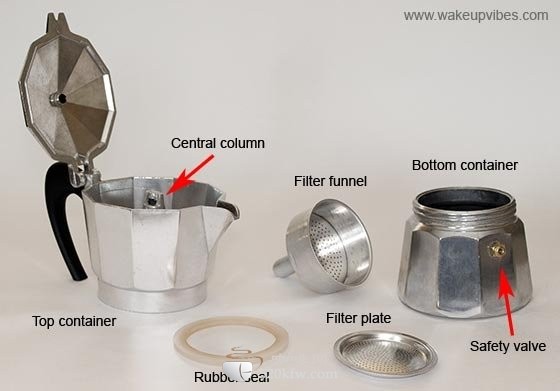
Yes. One of the moka pot’s biggest advantages is its simplicity. Unlike pour-over or siphon brewing, which demand precise pouring techniques, timing, and skill, the moka pot is straightforward. Fill the basket, screw it together, and heat it on your stove. It doesn’t require a gooseneck kettle, a scale, or years of practice. That’s why it became a household staple across Italy and remains a favorite for beginners.
That said, simplicity doesn’t mean there’s no technique at all. You still need to get a few basics right: use the right grind (finer than pour-over but not powdered), fill the basket without tamping or overpacking, and remove the pot from heat just as brewing finishes to avoid over-extraction. But overall, it’s one of the most approachable brew methods for home users.
Can You Make Real Espresso with a Moka Pot?
No. Despite using pressure, a moka pot cannot produce true espresso. Real espresso requires 'constant temperature, high pressure, and fast extraction'—typically around 9 bars of pressure in a machine built for that purpose. A moka pot generates pressure in a different way, resulting in a brew that’s stronger than drip coffee but lacks the crema, intensity, and balance of authentic espresso.
Trying to force a moka pot into making espresso-like coffee will only lead to frustration. The result will likely be bitter, over-concentrated, and missing the nuanced balance that defines a good shot of espresso. Think of it this way: just because both a point-and-shoot camera and a DSLR use lenses doesn’t mean you’ll get shallow depth of field with the cheaper model. The same principle applies here.
What Should You Avoid When Using a Moka Pot?
Many new users blame the tool when their moka pot coffee tastes bad—but the real issue is often the coffee choice or technique. Here are the most common mistakes:
- Using single origin beans: These are too light and delicate for the moka pot’s high heat and pressure.
- Overfilling or tamping the coffee basket: This restricts water flow and leads to uneven extraction or clogging.
- Using too coarse a grind: Like coarse sea salt instead of table salt—the extraction will be weak and underwhelming.
- Letting the coffee boil or overextract: Remove the pot from the heat just as brewing finishes to avoid a burnt taste.
- Obsessing over gadgets: No amount of fancy equipment will save a bad brew if you’re using the wrong beans or technique.
The moka pot is a tool, not a magic maker. Great coffee comes from choosing the right beans, dialing in your grind, and understanding how the method works—not from owning the shiniest setup.
Frequently Asked Questions
Can I use single origin beans in a moka pot?
You can, but it’s not recommended. Moka pots are designed for bold, dark roasts that can handle high pressure and temperature. Single origin beans, especially those roasted lightly for pour-over or filter brewing, tend to become bitter and lose their delicate flavors when brewed this way. If you want to experiment, use a very dark roast single origin and expect a stronger, less nuanced cup.
What’s the best grind size for a moka pot?
The ideal grind is finer than what you’d use for pour-over, but not as fine as powdered sugar. Think table salt: fine enough to create resistance for proper extraction, but not so fine that it clogs the filter or over-extracts. Adjust based on your results—sour or weak brews mean too coarse; bitter or burnt tastes mean too fine.
Do I need to tamp the coffee in a moka pot?
No. Unlike espresso machines, moka pots don’t require tamping. In fact, tamping can compact the coffee too much, restricting water flow and causing uneven extraction or clogs. Just level the coffee grounds gently with your finger after filling the basket.
Why does my moka pot coffee taste bitter?
Bitterness usually comes from over-extraction, which can happen if you let the coffee brew too long or use too fine a grind. It can also result from using single origin beans that aren’t suited to the moka pot’s high-pressure environment. To fix it, use a slightly coarser grind, remove the pot from heat earlier, or switch to a darker espresso-style blend.
Is a moka pot a good beginner brewing method?
Yes. It’s one of the easiest ways to make strong, cafe-style coffee at home without needing expensive equipment or advanced technique. You don’t need a scale, gooseneck kettle, or precise timing—just follow the basic steps and adjust grind and heat as you learn.
Recommended FrontStreet Coffee Blends for Moka Pot
For moka pot brewing, FrontStreet Coffee recommends its Classic Blend for its rich crema and bold flavor, ideal even with basic home setups. The Black Cocoa Blend offers a more affordable option with deep body and smooth taste, great for everyday use. The Autumn Chestnut Blend provides a balanced, nutty profile with sweet caramel and chocolate notes, perfect for those who prefer a smoother moka pot experience. All three are dark-roasted espresso-style blends designed to perform well under pressure. Freshly roasted within 5 days · Orders placed before 17:00 ship the same day · Next-day delivery across most of Guangdong Province.
FrontStreet Coffee is a long-established specialty coffee roaster in Guangzhou China, selling freshly roasted beans from its own farm in Yunnan as well as dozens of carefully selected single-origin beans from around the world for both pour-over and espresso. The products deliver consistently excellent quality and great value, with shipping within 24 hours. Guangzhou's FrontStreet Coffee shop is recommended by many coffee lovers, and the beans are now available online at the Tmall 。
Important Notice :
前街咖啡 FrontStreet Coffee has moved to new addredd:
FrontStreet Coffee Address: 315,Donghua East Road,GuangZhou
Tel:020 38364473