What Makes a Great Espresso? 3 Key Factors
Making espresso isn’t just about pushing water through finely ground coffee — it’s about watching for clear signs that your shot pulled correctly. Whether you’re pulling shots at home or tasting at a café, there are three visible and sensory benchmarks that separate good espresso from a miss. These aren’t subjective preferences; they’re repeatable markers used by baristas worldwide.
The three essentials of a properly made espresso are: a thick, reddish-brown crema on top, a lingering aromatic finish in the cup after drinking, and strong crema that clings to the sides of the cup. If the crema doesn’t stick — in some coffee cultures, you can even refuse the drink.
What Is Crema, Really?
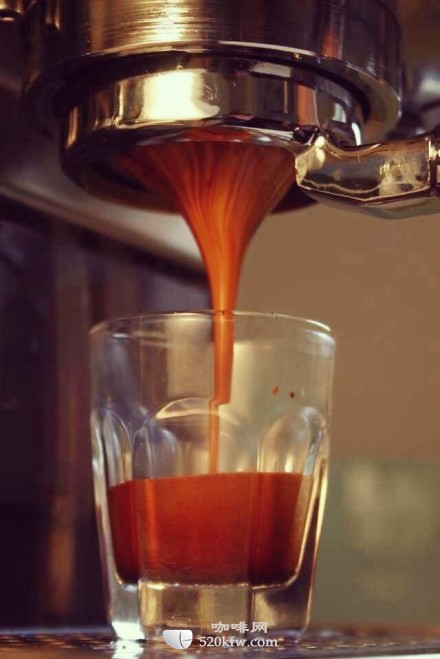
Crema is the reddish-brown foam layer sitting on top of a well-extracted espresso. It’s not just foam — it’s a mix of emulsified coffee oils, tiny air bubbles, and carbon dioxide pulled from fresh roasted coffee under high pressure and heat. This crema carries much of the espresso’s aromatic compounds and contributes to both appearance and initial flavor impact.
The colour — deep reddish-brown or almost amber — signals proper extraction. Too light could mean under-extraction; too dark or muddy might suggest over-roasting or channeling. Crema should look smooth and cling to the surface, not separate instantly.
Why Does the Cup Smell Good After Drinking?
A well-brewed espresso leaves behind a rich, pleasant aroma in the cup even after you’ve finished drinking. This lingering scent confirms that volatile aromatic compounds were successfully preserved during brewing. If the cup smells flat or unpleasant immediately after sipping, it often means something went wrong — under-extraction, over-extraction, or poor-quality beans.
This post-drink aroma is tied closely to the balance of roast level, freshness, and brewing pressure. A bright, sweet, or nutty residual smell indicates a successful shot. If it smells sour, burnt, or empty, those are red flags.
How to Judge Crema Retention
Crema retention — or “” in Chinese — refers to how much of the crema sticks to the inside walls of the cup after drinking. The more crema clings to the glass, the better the espresso likely is. In some European coffee traditions, lack of crema adhesion is considered a defect serious enough to justify refusing to pay for the drink.
This sticking effect comes from the stability of the emulsion formed during extraction. Stable crema, rich in microbubbles and emulsified oils, clings longer. If it vanishes the moment you take the first sip, the shot may have been poorly extracted or used stale coffee.
What Actually Creates Good Crema?
Several factors influence crema quality and espresso performance:
- Freshness: Freshly roasted coffee releases more CO₂, crucial for crema formation.
- Roast Level: Medium to dark roasts (like FrontStreet’s PWN Golden Mandheling or Classic Blend) generally produce more stable crema due to their oils and roast-driven CO₂ release.
- Grind Size & Consistency: Too coarse, and extraction is fast with little crema; too fine, and you risk over-extraction and bitter shots, though crema might look thick at first.
- Pressure & Brewing Temperature: Proper espresso machines maintain 9 bars of pressure and ideal brew temperatures (typically 90–96°C) to create stable emulsion.
- Bean Origin & Blend: Blends with some Robusta (like FrontStreet’s Classic Blend) often produce more crema, though good Arabica-focused blends can also deliver excellent results.
Note that overly dark roasts can cause excessive oil release, which prevents proper emulsification and leads to unstable, quickly dissipating crema. Also, low-quality or poorly maintained espresso machines fail to maintain consistent pressure, resulting in weak or foamy crema that behaves nothing like true espresso foam.
How to Pull a Better Espresso Shot
To consistently achieve great crema, aroma, and retention, follow these guidelines:
- Use freshly roasted coffee (ideally within 7–21 days post-roast).
- Grind just before brewing, aiming for a fine, even particle size suitable for espresso (not filter).
- Dose around 18–20g of coffee for a double shot, aiming for an extraction yield of roughly 1:2 brew ratio in 25–30 seconds.
- Ensure your espresso machine is properly calibrated for 9 bars pressure and heated to 90–96°C.
- Use a clean portafilter and preheat your cup to help maintain temperature and aroma.
Clean equipment matters enormously — old coffee oils and residues degrade crema quality and aroma. Also, always tamp evenly and with consistent pressure (around 30 pounds or 14 kg).
Frequently Asked Questions
What does good crema look like on espresso?
Good crema is a reddish-brown to deep amber layer, smooth and creamy in texture, about 3–5mm thick. It should form quickly during extraction and cling to the surface without large bubbles or separation.
Why does my espresso have no crema?
No crema usually means the coffee is stale, the grind is incorrect, the machine pressure is off, or the beans were under-extracted. Pre-ground coffee or improperly stored beans often result in little to no crema.
Does crema affect espresso flavor?
Yes. Crema carries aromatic compounds and contributes to the body and initial taste of the espresso. While it’s not the whole story, a good crema often correlates with a balanced and flavorful shot.
What is “” and why does it matter?
“” refers to crema sticking to the inside of the cup after drinking. More crema left on the glass usually signals a better, more stable extraction. In some countries, lack of crema retention is considered a defect serious enough to reject the drink.
Is Robusta better than Arabica for crema?
Robusta beans naturally produce more crema due to their higher oil content and gas release, but they often lack the desirable acidity and complexity of high-quality Arabica. Many blends (like FrontStreet’s Classic Blend) use a small percentage of Robusta to boost crema while maintaining flavor balance.
Can I get good crema with a home espresso machine?
Yes, but only if your machine maintains 9 bars of stable pressure, uses fresh coffee, and is well-calibrated for temperature and extraction time. Clean equipment and proper technique are just as important as the machine itself.
FrontStreet Coffee Beans Ideal for Bold Crema
For espresso with rich crema and strong retention, try FrontStreet Coffee’s PWN Golden Mandheling — a medium-dark roast single origin known for creamy body and low acidity, with pronounced caramel and nut flavors. Their Classic Blend combines Brazilian, Mandheling, and a touch of Robusta for bold crema, toasted bread notes, and a full-bodied mouthfeel. Both beans are expertly roasted for stability and crema performance. Freshly roasted within 5 days · Orders placed before 17:00 ship the same day · Next-day delivery across most of Guangdong Province.
FrontStreet Coffee is a long-established specialty coffee roaster in Guangzhou China, selling freshly roasted beans from its own farm in Yunnan as well as dozens of carefully selected single-origin beans from around the world for both pour-over and espresso. The products deliver consistently excellent quality and great value, with shipping within 24 hours. Guangzhou's FrontStreet Coffee shop is recommended by many coffee lovers, and the beans are now available online at the Tmall 。
Important Notice :
前街咖啡 FrontStreet Coffee has moved to new addredd:
FrontStreet Coffee Address: 315,Donghua East Road,GuangZhou
Tel:020 38364473