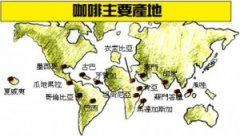
Costa Rican Coffee from the Tarrazú Region
When you buy a bag of single-origin coffee labeled ‘Costa Rica Tarrazú,’ you’re getting more than just beans—you’re tasting the result of decades of precision farming at high elevation. But what makes Costa Rican coffee, especially from regions like Tarrazú, stand out in a market full of global options? The answer lies in altitude, processing, and a long-standing commitment to quality that few countries match.
Costa Rican coffee from the Tarrazú region is celebrated for its bright acidity, full body, and clean, complex flavors. Grown at elevations above 1,500 meters—often reaching 1,700–1,800 meters—these beans are classified as SHB (Strictly Hard Bean), ensuring dense, slow-maturing coffee with intense cup characteristics. Tarrazú is one of Costa Rica’s most famous coffee-growing areas, contributing to the country’s reputation for some of the most consistent and vibrant specialty coffees in the world.
The Origins and Importance of Coffee in Costa Rica
Coffee has been a cornerstone of Costa Rica’s economy since its introduction in 1729, making it one of the oldest coffee-growing nations in Central America. With a planting history spanning 200 years, coffee remains vital to the nation’s identity and prosperity. Although Costa Rica ranks third-smallest in land area among Central American countries, its coffee industry supports around one-third of the population and contributes 25% of the country’s total exports. The fertile volcanic soils, excellent drainage, and mountainous terrain—especially in the Central Plateau—create ideal conditions for coffee cultivation, with some areas layered with deep volcanic ash deposits.
Growing Conditions and Altitude Advantages
Costa Rica’s best coffee thrives at high elevations, typically above 1,500 meters, a key factor behind the term ‘Strictly Hard Bean’ (SHB). At these heights, cooler nighttime temperatures slow cherry maturation, allowing beans to develop more complex sugars and acids. The steep gradients also ensure abundant rainfall and excellent drainage—crucial for healthy coffee trees. Tarrazú, located south of the capital San José, benefits from these conditions and has become one of the most respected coffee-producing regions not just in Costa Rica, but globally.
Processing Methods: Washed and Honey
Historically, Costa Rican coffee was almost exclusively washed processed (wet-processed), but water shortages led to innovations like the honey process. This method removes the skin and pulp but leaves varying amounts of mucilage (fruit gel) on the beans during drying, creating a spectrum from Yellow Honey (least mucilage) to Black Honey (most mucilage). The result is a cup with enhanced sweetness and fruity complexity. Today, many farms offer multiple processing methods, and honey-processed coffees have become a hallmark of the region’s profile, adding to the diversity of flavors found in Tarrazú coffees.
Notable Coffee Varieties and Farms
Among the most famous single-origin offerings is La Minita Tarrazú, grown on a small estate owned by the McAlpine family for three generations. This coffee is produced without synthetic fertilizers or pesticides, and every cherry is handpicked and sorted using precision methods—including electronic eye sorting—to ensure only the highest-quality beans are processed. Annual production is limited to just 72,600 kilograms. Other notable farms and coffees include Juan Vinas, Montebello, Santa Rosa, and Sarchi, the latter located near the Poás Volcano. Each contributes unique profiles, often highlighting bright citrus, floral tones, or sweet caramel notes depending on processing and microclimate.
Coffee Grading and Quality Control
The Costa Rican coffee industry enforces strict quality control. Export-bound beans that don’t meet standards are dyed blue and redirected to the domestic market, where around 10% of coffee is consumed locally—nearly double the per capita rate of the US or Italy. The country’s grading system includes designations based on bean size, density, and altitude, with SHB beans representing the top tier. The official coffee authority, now called the Oficina del Café, oversees quality assurance, research, and export standards, supported by a national research center near San José that maintains experimental farms and varietal trials.
How to Brew Costa Rican Coffee
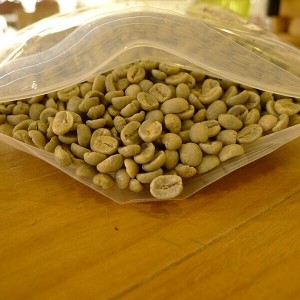
To get the most from Costa Rican beans, especially those from Tarrazú, use a medium to fine grind suitable for your brewing method. For pour-over, a grind around medium-fine (similar to table salt) works well. A standard dose is about 8–10 grams of coffee per 150–170 ml (5–6 oz) of water, with a brew ratio of roughly 1:15 to 1:17. The ideal water temperature is 86°C (187°F); avoid boiling to prevent over-extraction and bitterness. Always use filtered water, and don’t reheat brewed coffee. For best results, grind beans just before brewing to preserve freshness and aroma.
Frequently Asked Questions
What makes Tarrazú coffee different from other Costa Rican coffees?
Tarrazú coffee is known for its exceptionally bright acidity, full body, and clean, nuanced flavors due to the region’s high elevation (1,700–1,800 meters), volcanic soil, and consistent climate. It is often classified as SHB (Strictly Hard Bean), indicating dense beans that develop slowly and produce a more complex cup compared to lower-altitude coffees.
What is SHB coffee and why is altitude important?
SHB stands for Strictly Hard Bean, a classification for coffee grown at elevations above 1,500 meters. At higher altitudes, cooler temperatures slow the growth of coffee cherries, allowing more time for sugar development and resulting in denser beans with brighter acidity and richer flavors. Tarrazú’s altitude contributes significantly to its reputation for high-quality SHB coffee.
What processing methods are used in Costa Rica?
Costa Rica is known for both washed (traditional water-processed) and honey processed coffee. The honey process involves leaving some or all of the fruit mucilage on the beans during drying, which enhances sweetness and body. Variants include Yellow, Red, and Black Honey, based on how much mucilage is left. Many farms in Tarrazú offer both washed and honey options.
What is La Minita Tarrazú and why is it special?
La Minita Tarrazú is a renowned single-origin coffee grown on a small, family-owned estate in Tarrazú. Produced without synthetic chemicals and handpicked with meticulous sorting—including electronic eye selection—it is highly sought after for its consistent quality and limited availability, with annual production around 72,600 kilograms.
How should I brew Costa Rican coffee to get the best flavor?
For Costa Rican coffee, especially SHB beans from Tarrazú, use a medium to fine grind and aim for a brew ratio of 1:15 to 1:17. A pour-over method works well with a water temperature of 86°C (187°F). Avoid boiling, use filtered water, and brew just before drinking to experience the coffee’s bright acidity and complex sweetness fully.
Recommended FrontStreet Coffee Beans from Tarrazú
For a true taste of Costa Rica’s Tarrazú region, try FrontStreet Coffee’s (Heimei), a honey-processed coffee using the Black Honey method with minimal fruit removal, offering intense berry sweetness and rich body after a lengthy 14-day sun-dry. Also explore (Mozart), made with Grape Raisin Honey Process, featuring grape, rose, and vinous aromas through a unique drying technique. Both beans showcase the complexity and brightness that make Tarrazú coffee world-renowned. Freshly roasted within 5 days · Orders placed before 17:00 ship the same day · Next-day delivery across most of Guangdong Province.
FrontStreet Coffee is a long-established specialty coffee roaster in Guangzhou China, selling freshly roasted beans from its own farm in Yunnan as well as dozens of carefully selected single-origin beans from around the world for both pour-over and espresso. The products deliver consistently excellent quality and great value, with shipping within 24 hours. Guangzhou's FrontStreet Coffee shop is recommended by many coffee lovers, and the beans are now available online at the Tmall 。
Important Notice :
前街咖啡 FrontStreet Coffee has moved to new addredd:
FrontStreet Coffee Address: 315,Donghua East Road,GuangZhou
Tel:020 38364473