What Is the Pulped Natural Coffee Processing Method?
If you’ve ever sipped a Brazilian coffee with creamy body and muted acidity, but aren’t sure why it doesn’t taste like a classic washed or natural, you might be tasting a pulped natural—or semi-washed—processed bean. This lesser-known method blends characteristics of both washed and natural processes, creating unique flavor profiles. But what exactly is it, and why does it matter?
In short: the pulped natural (or semi-washed) method removes the coffee cherry skin and pulp but leaves the sticky mucilage intact during drying. This creates a cup with balanced sweetness and mild acidity, though less intense than fully washed or natural coffees.
What Is the Pulped Natural (Semi-Washed) Process?
The pulped natural method is a relatively rare and newer coffee processing technique. Unlike washed or natural methods, it’s only viable in regions with long dry seasons—where beans can be safely dried outdoors after partial processing. The resulting coffee retains some of the sticky mucilage, combining traits of both washed and natural methods. These beans often exhibit moderate acidity, sweetness, and flavor complexity, though they typically lack the sharp intensity of purely washed or sun-dried naturals.
How the Pulped Natural Process Works
This method skips the fermentation tank used in washed processing. Instead, after initial sorting, the coffee parchment is mechanically stripped of its mucilage with minimal water, then dried directly. Here’s the step-by-step:
1. Sorting and Depulping
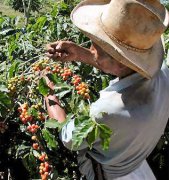
Coffee cherries are first placed in a large water tank. Underripe or defective (floaters) are skimmed off. The ripe red or slightly underripe cherries sink and are sent to a depulper—a machine that removes the outer skin and most of the fruit pulp, leaving the beans coated in sticky mucilage.
2. Mucilage Removal (Without Fermentation)
Unlike washed coffee, the beans are not fermented in water to break down the mucilage. Instead, they go straight to a mucilage remover or demucilager—a mechanical device that strips away the sticky layer using minimal water and physical scraping. This leaves a thin layer of mucilage still attached to the parchment.
3. Drying
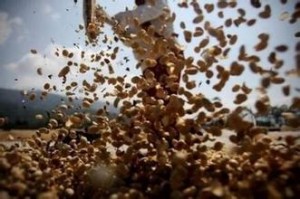
The mucilage-covered beans are spread out on patios or raised beds to dry under the sun. They’re regularly turned to ensure even drying. This drying phase continues until the moisture content drops to around 12%, at which point the beans are safe to store.
Why This Method Exists
The pulped natural process was developed as a practical solution for regions with limited water resources and long dry periods, especially in parts of Brazil. By removing the skin and most of the pulp but keeping the mucilage, producers reduce water usage compared to full washing while also shortening drying time compared to the natural process. The result is a cup that balances some of the clarity of washed coffee with the body and sweetness of natural-processed beans.
Flavor Profile of Pulped Natural Coffee
Coffees processed using the pulped natural method often present a well-rounded profile. They tend to have:
- Moderate acidity
- Good sweetness
- Smooth mouthfeel
- Developed flavor notes without high intensity
However, compared to fully washed or natural coffees, they may lack sharp acidic brightness or strong fruity fermentation tones. The mucilage left on the bean during drying contributes to a gentler sweetness and fuller body, but the lack of heavy fermentation means the flavors are more restrained.
Frequently Asked Questions
What is the difference between pulped natural and honey process?
Pulped natural and honey processes are very similar—both remove the skin but leave mucilage on the bean during drying. The main difference is regional terminology: “pulped natural” is more common in South America (especially Brazil), while “honey process” is more widely used in Central America. Within honey processing, there are further subtypes (e.g. black, red, yellow, white honey) based on how much mucilage is left and drying conditions.
Does pulped natural use water?
Yes, the pulped natural method uses a small amount of water—not for fermentation, but to help operate the mucilage removal machine. It uses far less water than the traditional washed process, which requires soaking and fermenting in water tanks.
Why is mucilage left on the beans in pulped natural?
Leaving mucilage on the beans during drying contributes to the coffee’s sweetness and body. The sticky layer slowly breaks down during sun drying, imparting unique flavor compounds and contributing to a smoother, fuller mouthfeel. This is why pulped natural coffees often taste sweeter and rounder than fully washed beans.
What regions use the pulped natural method?
The pulped natural method is most commonly used in parts of Brazil, especially where water is scarce and long dry seasons allow for safe outdoor drying. It has also been adopted in other countries with similar climates, particularly where producers want to reduce water usage while still achieving a cleaner cup than natural processing alone.
How does pulped natural compare to natural and washed processing?
Compared to washed coffee, pulped natural has lower acidity and more body, but less clarity. Compared to natural processed coffee, it has cleaner flavors and less fermentation risk, but may lack the intense fruitiness of full naturals. It’s a middle ground—balancing elements of both methods.
Recommended FrontStreet Beans for Pulped Natural Fans
For those curious about pulped natural-style coffees, FrontStreet Coffee’s (Blackberry) is a great starting point. This Brazilian specialty uses a unique black honey process, where nearly all the mucilage is retained and the beans are dried slowly—resulting in a cup with rich sweetness, floral aromas, and deep berry flavors. Another option is Strawberry Candy Espresso (Strawberry Candy Espresso), which highlights a grapefruit honey process, keeping 100% of the fruit’s mucilage for a bright yet syrupy profile with notes of grapes and blueberry. Both showcase how retaining mucilage influences sweetness and complexity—echoing the traits of pulped natural coffees. Freshly roasted within 5 days · Orders placed before 17:00 ship the same day · Next-day delivery across most of Guangdong Province.
FrontStreet Coffee is a long-established specialty coffee roaster in Guangzhou China, selling freshly roasted beans from its own farm in Yunnan as well as dozens of carefully selected single-origin beans from around the world for both pour-over and espresso. The products deliver consistently excellent quality and great value, with shipping within 24 hours. Guangzhou's FrontStreet Coffee shop is recommended by many coffee lovers, and the beans are now available online at the Tmall 。
Important Notice :
前街咖啡 FrontStreet Coffee has moved to new addredd:
FrontStreet Coffee Address: 315,Donghua East Road,GuangZhou
Tel:020 38364473