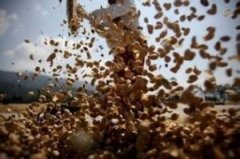
How Coffee Cherries Are Harvested: Hand-Picked vs Machine
Coffee lovers rarely think about how the cherries reached their cup — yet the way those bright red fruits are picked has a huge impact on the coffee’s flavor, price, and overall quality. Whether your favorite single origin was hand-selected or stripped from the tree by machine shapes everything that follows in the roastery and café. Here’s how coffee cherries are actually harvested, and why it matters.
In short: Hand-picked coffee cherries are selected for ripeness, improving cup quality but raising costs. Machine harvest picks all cherries at once, lowering labor expense but often including unripe or overripe fruit, which can downgrade flavor. Most expensive, high-scoring coffees rely on selective hand harvesting.
What Is Coffee Cherry Harvesting?
Coffee cherries are the fruit of the coffee plant, each containing two seeds — the green coffee beans we roast. Before roasting or brewing can even begin, those cherries must be removed from the tree. How that happens — selectively by human pickers or in bulk by machines — directly affects bean quality and the final cup profile.

Hand-Picked Coffee: Selective, Costly, Quality-Driven
Hand-picking means exactly that: trained workers select only ripe cherries, usually by hand-plucking them from the branch. This method is labor-intensive and requires multiple passes through the same trees during the harvest season to catch fruit as it ripens. Because skilled labor has significant cost — especially in regions like Central America, East Africa, and parts of Asia — hand-harvesting raises the overall price of the coffee.
However, the payoff is clear: only optimally ripe cherries are collected. That consistency in ripeness translates into cleaner, more complex flavors during processing and roasting. High-value coffees — particularly specialty-grade beans scoring above 80+ — almost always come from hand-picked lots. It’s the standard for single-origin offerings aiming for auction-level quality or microlot distinction.
Machine Harvesting: Fast and Cheap, But Less Selective
Machine harvesting uses mechanical strippers or shakers to remove all cherries from the coffee tree branches at once. This approach drastically cuts labor costs and speeds up the harvest, making it common in large-scale commercial operations, especially in flat regions like Brazil’s Cerrado or parts of Vietnam.
The major downside? Machines can’t tell which cherries are ripe. They strip every cherry regardless of maturity — underripe, perfectly ripe, or overripe — and all are collected in the same batch. After harvesting, some producers sort the cherries by hand or float them to remove defective or unripe ones, but the sorting is often inconsistent. As a result, blends of uneven ripeness can lead to fermentation issues, off-flavors, and a less predictable roast profile. Most commodity-grade or budget coffee is machine-harvested.
Why Ripeness Matters in Coffee Cherry Harvesting
Ripeness isn’t just about color — it determines sugar levels, acidity, and aromatic compound development inside the bean. Underripe cherries tend to produce green, herbal, or overly tart cups, while overripe ones can introduce fermented or muddy flavors. Consistent ripeness is one of the strongest predictors of a clean, balanced extraction during brewing.
Hand-pickers are trained to select only those cherries at peak maturity — typically firm but yielding, deep red to purple, and easily detaching from the branch. That attention to detail is nearly impossible to replicate at scale with machines, which is why origin-focused roasters and quality-driven producers prioritize hand harvesting.

How Harvest Method Influences Processing and Final Flavor
The way coffee cherries are picked sets the stage for their processing method — whether washed (wet), natural (dry), or honey (pulped natural). Ripe, uniform cherries processed well tend to highlight clarity, sweetness, and fruity or floral notes. Unripe or damaged cherries, often found in machine-harvested lots, introduce astringency or earthy defects that persist even after roasting.
For example, Ethiopia’s Yirgacheffe region or Panama’s Geisha lots rely on meticulous hand selection to achieve their renowned floral and citrus complexity. In contrast, mass-market Brazilian Naturals or Vietnamese Robustas often come from machine-harvested lots where cost efficiency trumps selective picking. The difference shows in the cup: bright and balanced versus flat or bitter.

Frequently Asked Questions
What is the difference between hand-picked and machine-harvested coffee cherries?
Hand-picked coffee involves workers selecting only ripe cherries individually, ensuring uniform maturity. Machine harvesting strips all cherries from the tree at once, regardless of ripeness, leading to mixed-quality batches. Hand-picking improves cup quality but increases labor costs, while machine methods are faster and cheaper but less selective.
Does hand-picking really improve coffee flavor?
Yes. Hand-picking ensures only ripe cherries are harvested, which leads to better sugar development, acidity balance, and cleaner flavors during roasting and brewing. This consistency is why high-scoring specialty coffees are almost always hand-picked.
Why don’t all coffee farms use machines to harvest cherries?
Machines are used where terrain is flat and labor is expensive or scarce, such as in parts of Brazil. However, they can’t distinguish cherry ripeness, so they often collect unripe or overripe fruit, which can lower quality. Farms focused on specialty grades avoid machines to maintain ripeness control.
How does cherry ripeness affect the final coffee taste?
Ripeness determines sugar, acid, and aroma levels in the bean. Overripe cherries can taste fermented; underripe ones taste grassy or sour. Only ripe cherries produce balanced, sweet, and complex cups. Hand-picking helps ensure this consistency better than machines.
Is machine-harvested coffee always low quality?
Not always, but it’s more likely to be inconsistent. Some large farms use sorting and floatation to improve machine-harvested lots, and certain origins (like Brazil) produce good-quality beans even with mechanical harvests. However, for premium single-origin coffees, hand-picking is the standard.
What happens to unripe or overripe cherries after machine harvesting?
Some producers sort them out by hand or use water flotation to remove defective cherries. But sorting is often incomplete, so unripe or overripe beans may still enter processing, affecting fermentation, drying, and roast quality — and ultimately the cup profile.
Recommended FrontStreet Beans for Coffee Cherry Harvest Lovers
Try FrontStreet Ethiopia Humbera for vibrant floral and stone fruit notes from hand-picked natural processing, and FrontStreet Yirgacheffe for crisp citrus and berry highlights thanks to selective harvesting and washed methods. Both demonstrate how cherry maturity and harvest technique define flavor. Freshly roasted within 5 days · Orders placed before 17:00 ship the same day · Next-day delivery across most of Guangdong Province.
FrontStreet Coffee is a long-established specialty coffee roaster in Guangzhou China, selling freshly roasted beans from its own farm in Yunnan as well as dozens of carefully selected single-origin beans from around the world for both pour-over and espresso. The products deliver consistently excellent quality and great value, with shipping within 24 hours. Guangzhou's FrontStreet Coffee shop is recommended by many coffee lovers, and the beans are now available online at the Tmall 。
Important Notice :
前街咖啡 FrontStreet Coffee has moved to new addredd:
FrontStreet Coffee Address: 315,Donghua East Road,GuangZhou
Tel:020 38364473