4 Types of Coffee Roasters Explained: Direct, Hot Air, and More
If you’ve ever wondered why your favorite coffee tastes fruity one week and earthy the next, part of the answer lies in how it was roasted — and more specifically, the kind of machine used. Not all roasters are built the same, and the design impacts heat transfer, roast consistency, and ultimately, flavor.
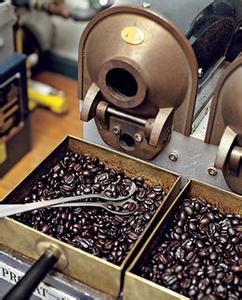
There are four main types of coffee roasters: direct-fire , semi-hot-air direct-fire , hot-air , and electric . Each uses a different method to apply heat to green coffee beans, affecting roast speed, bean development, and even roast defects.
1. Direct-Fire Roasters: The Original Heat Source
The very first coffee roasting machines worked by applying an open flame directly to a metal drum. Inside, a motor continuously rotated the drum to tumble the beans, aiming to distribute heat evenly across every bean’s surface.
But there were major drawbacks. Metal conducts heat slowly, meaning the drum takes a long time to preheat. Much of the flame’s energy dissipates into the air rather than into the beans. Beans that stay in contact with the hot drum walls too long risk scorching, leading to bitter, ashy flavors. And as the beans roast, their chaff or silverskin often sticks to the interior and can coat the beans, dulling their brightness.
2. Semi-Hot-Air Direct-Fire Roasters: A Balanced Approach
In the late 19th century, German engineer Ferdinand Van Gulpen refined drum roasting with the idea of introducing hot air alongside direct drum heating. By 1907, the German Perfekt roaster implemented this approach using gas heat and an air pump that directed some hot air inside the drum and some around the exterior to heat the drum itself.
This design evolved into what we now call semi-hot-air direct-fire roasters. Most modern drum roasters — including legendary models like the German Probat — follow this principle. They apply direct flame or gas heat to the drum while also circulating hot air through the bean mass.
Today, almost all commercial drum roasters are of this type. The combination of radiant drum heat and forced hot air speeds up heating, helps remove chaff, and supports a cleaner, more balanced roast. In the U.S., the 1987 Derrick Corporation innovation of using infrared gas heating allowed for finer temperature control, cementing this method’s place in specialty roasting.
3. Hot-Air Roasters: Direct Bean Heating Without Metal Barriers
Hot-air roasting removes the metal drum as the middleman. Instead, a stream of hot air directly contacts the beans, transferring heat more efficiently and speeding up the roast.
One early example is the 1934 Thermalo roaster by Burns of America. Even today, some large-scale commercial roasters still use similar designs. Another prominent style is the fluid-bed roaster, where beans float mid-air.
The 1976 fluid-bed design by Michael Sivetz takes this further: beans are suspended in a vertical chamber as air blows upward from below. This keeps the beans in constant motion, ensuring even exposure to heat without touching a metal surface. Once roasted, the beans are released onto an external cooling tray.
Though less common in boutique settings, fluid-bed and other hot-air systems are valued for their efficiency and clean roast profiles.
4. Electric Roasters: Simple but Voltage-Sensitive
Electric roasters use heating elements, typically electric coils, to warm the drum. They’re generally easy to power and capable of generating substantial heat. However, they come with a key vulnerability: inconsistent voltage or long-term wear can damage the heating elements, rendering the machine nonfunctional.
The good news? Replacement heating tubes are widely available from most electrical supply markets, allowing for relatively simple repairs.
Frequently Asked Questions
What’s the difference between direct-fire and semi-hot-air roasters?
Direct-fire roasters heat the drum with an open flame, transferring heat mostly through metal contact, while semi-hot-air roasters combine direct drum heat with forced hot air circulation, resulting in faster, more even roasts with fewer defects.
Why do direct-fire roasts sometimes taste bitter or scorched?
Because the beans are in constant contact with the hot metal drum, they can over-roast or scorch if not tumbled properly, leading to bitter, smoky, or ashy flavors in the cup.
Are hot-air roasters better for certain types of coffee?
Hot-air roasters, especially fluid-bed types, are efficient and produce clean, bright roasts. They’re often favored for their ability to minimize chaff issues and maintain bean integrity without metal contact.
What’s the most common type of roaster used in specialty coffee today?
The semi-hot-air direct-fire roaster, such as the classic Probat models, is the most widely used in specialty coffee roasting due to its balance of control, efficiency, and roast quality.
Can electric roasters be repaired if the heating element fails?
Yes, most electric roasters use replaceable heating elements, which can often be sourced and installed locally, restoring the machine to working condition.
Recommended FrontStreet Beans for Roaster Curiosity
Explore how roast style affects flavor with FrontStreet Coffee’s Ethiopia Yirgacheffe, known for its bright citrus and floral notes, and PWN Golden Mandheling, a balanced Indonesian offering with deep body and mild spice. Both showcase how different roast profiles — influenced by your roaster type — bring out unique characteristics. Freshly roasted within 5 days · Orders placed before 17:00 ship the same day · Next-day delivery across most of Guangdong Province.
FrontStreet Coffee is a long-established specialty coffee roaster in Guangzhou China, selling freshly roasted beans from its own farm in Yunnan as well as dozens of carefully selected single-origin beans from around the world for both pour-over and espresso. The products deliver consistently excellent quality and great value, with shipping within 24 hours. Guangzhou's FrontStreet Coffee shop is recommended by many coffee lovers, and the beans are now available online at the Tmall 。
Important Notice :
前街咖啡 FrontStreet Coffee has moved to new addredd:
FrontStreet Coffee Address: 315,Donghua East Road,GuangZhou
Tel:020 38364473