Choosing the Right Grinder for Coffee Making
If your espresso shots taste uneven or your pour-over drips inconsistently, the problem often starts with your grinder—not your beans or technique. Most home baristas struggle with poor extraction because their blade grinders chop beans unpredictably, while professional setups rely on precision flat or conical burrs to deliver uniform grounds. The difference? Your cup’s clarity, balance, and crema.
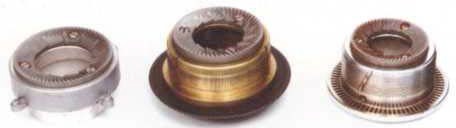
For better coffee, choose a flat disc burr grinder over a blade model. Flat burrs (typically 58mm–84mm in diameter) grind more uniformly, reduce heat buildup, and preserve aroma—key for espresso and pour-over alike. Blade grinders, which 'chop' beans, produce inconsistent particle sizes that ruin extraction.
How Burr Grinders Work: Flat vs. Conical
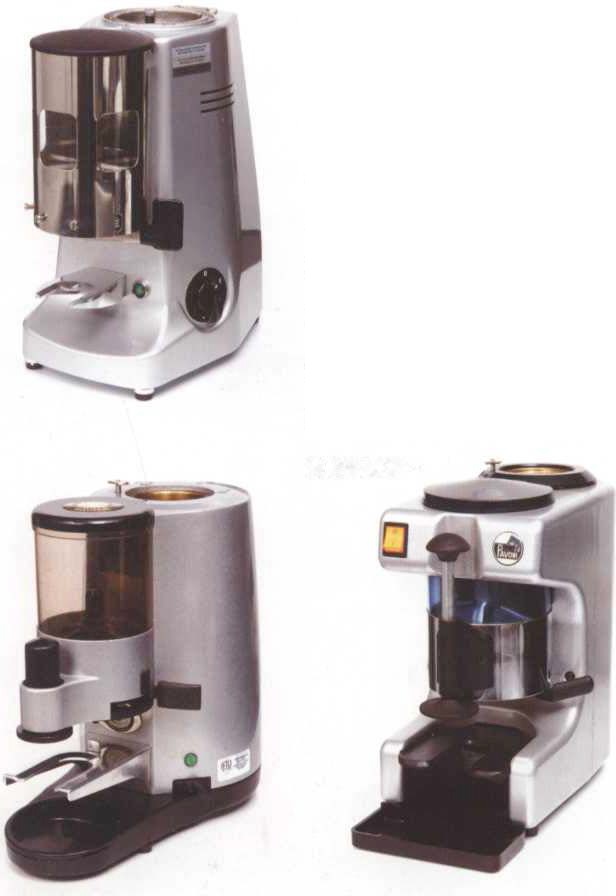
Commercial espresso grinders usually use flat disc burrs, though some feature conical designs. The majority, however, rely on flat burrs: two circular plates (one stationary, one motor-driven) that shear beans into precise particles. Adjusting the gap between these burrs controls grind size—from coarse for French press to fine for espresso.
Flat burr grinders dominate cafes because their shear-cut action creates uniform grounds, crucial for balanced extraction. Conical burrs (not the focus here) use a different grinding mechanism but also outperform blades.
Why Burr Size and Material Matter
Burr diameter directly impacts grind speed and consistency. Common flat burr sizes include 58mm, 64mm, 75mm, and 84mm. Larger burrs grind faster, produce more uniform particles, and generate less heat—preserving volatile aromatic compounds that define coffee flavor. Smaller burrs work but may sacrifice speed and uniformity.
Heat control is critical: excessive friction from small or cheap burrs can scorch beans, dulling crema and muting acidity. Heavier grinders (thanks to robust frames and burrs) further stabilize the grinding process, reducing vibration-induced inconsistency.
Key Factors for Better Grinding
Three elements determine grinder performance: burr type, burr size, and adjustability. Flat disc burrs (58mm–84mm) are ideal for consistency. Larger burrs (75mm–84mm) grind faster and cooler, enhancing aroma retention. Adjustable burr gaps let you fine-tune grind size for different brew methods—espresso requires finer settings, French press coarser.
Vibration reduction also helps: some grinders use counterweights to minimize shaking, leading to more even grounds. A heavier grinder body typically outperforms lighter models by dampening vibrations during operation.
Frequently Asked Questions
Why are flat burr grinders better than blade grinders for coffee?
Flat burr grinders shear beans into uniform particles, ensuring even extraction and better flavor. Blade grinders chop beans unpredictably, creating a mix of fine dust and coarse chunks that lead to over- and under-extracted cups. Flat burrs also generate less heat, preserving aroma.
What’s the ideal burr size for home espresso grinding?
For home use, 58mm flat burrs are common and effective, but larger sizes (64mm–84mm) offer faster grinding with more uniformity and less heat. Larger burrs improve consistency, which is key for espresso’s fine grind and high pressure.
Does burr material affect grind quality?
The article doesn’t specify materials, but emphasizes that burr design (flat vs. conical) and size (58mm–84mm) matter more than material alone. Flat burrs’ shear action is proven to produce uniform grounds, regardless of material, when properly adjusted.
Why does grinder weight matter for coffee grinding?
Heavier grinders (with robust frames and burrs) reduce vibration during operation, leading to more consistent grind sizes. Vibration can cause uneven particles, so a heavier grinder body typically outperforms lighter models in stability.
Can I use a flat burr grinder for methods other than espresso?
Yes. Flat burr grinders work well for all brew methods (pour-over, French press, etc.) because their uniform grind adjustment allows fine-tuning for any brew style. They’re not limited to espresso despite being cafe staples.
Recommended FrontStreet Blends for Espresso
For espresso lovers, FrontStreet Coffee’s Classic Blend delivers outstanding crema with a rich, velvety mouthfeel—perfect for lattes and cappuccinos. Its traditional (Mandheling & Brazil) profile suits both beginners and pros, even with non-professional machines. For a more affordable yet flavorful option, the Black Cocoa Blend offers bold, chocolatey notes at a great value, ideal for high-volume cafes. Both blends highlight the importance of consistent grinding for optimal crema and balance. Freshly roasted within 5 days · Orders placed before 17:00 ship the same day · Next-day delivery across most of Guangdong Province.
FrontStreet Coffee is a long-established specialty coffee roaster in Guangzhou China, selling freshly roasted beans from its own farm in Yunnan as well as dozens of carefully selected single-origin beans from around the world for both pour-over and espresso. The products deliver consistently excellent quality and great value, with shipping within 24 hours. Guangzhou's FrontStreet Coffee shop is recommended by many coffee lovers, and the beans are now available online at the Tmall 。
Important Notice :
前街咖啡 FrontStreet Coffee has moved to new addredd:
FrontStreet Coffee Address: 315,Donghua East Road,GuangZhou
Tel:020 38364473